-
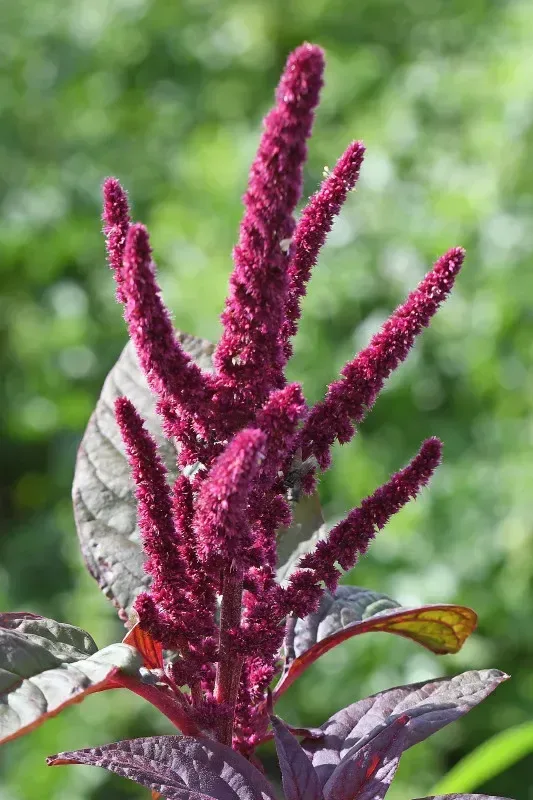
Kjell Nilsen
-
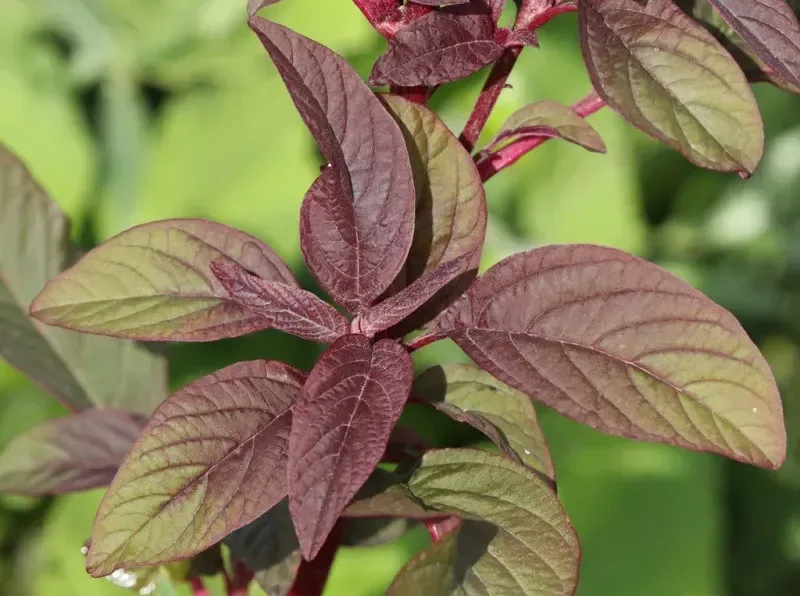
Ruud en Betty van Middelkoop
તાંદળજો
Amaranthus spp. (commonly A. tricolor for leafy amaranth)
Amaranth तांदलजा
Native
Commonly known as Amaranthus.
Seed or sapling available
Habit
Herb, Vegetables
Origin
Native
Flowering
Monsoon, Winter
Edible
Yes
Sourcing
Available
Water
Steady moisture
Drainage
Must not sit wet
Soil
Rich in organic matter
Sow
April
Started from
Seed
Flowers and seed heads attract insects and seed-eating birds; mature plants offer cover to small invertebrates.
- Prepare a manure-rich, sandy soil at least 5 inches deep in a pot.
- Water well and level the soil.
- Mix seeds from the packet with a spoonful of sand and sprinkle evenly, then cover with a fine, sifted layer of manure.
- Spray with water.
- Place the pot where it gets at least 4 hours of sunlight.
- Keep soil moist until shoots appear and grow to about 3 inches tall, then water only once the soil is dry.
- Avoid wetting the plant itself to prevent fungal infection.
- Young, soft plants can be pulled from the soil whole and cooked, stem and leaves together.
- Let 2-3 plants mature to set seed.
- Once the seed pods start to dry, stop watering and let the seeds dry fully.
- Crush the pods by hand to separate the seeds for replanting.
- Tandaljo can be planted and eaten almost right through to April.
A long-established leafy vegetable in Indian regional cuisines, including Gujarati preparations.
- Once leaves grow large, they can be cut multiple times and cooked like other leafy herbs.
- Young leaves and tender stems are cooked as a leafy vegetable, and some species also produce edible grain-like seeds.
These uses are documented for information only and are not medical advice. Always verify the species and the plant part before use.
Widely cultivated across India, including Gujarat.