-
Dr. Sunil thaman
-
Sakariya Kueteh
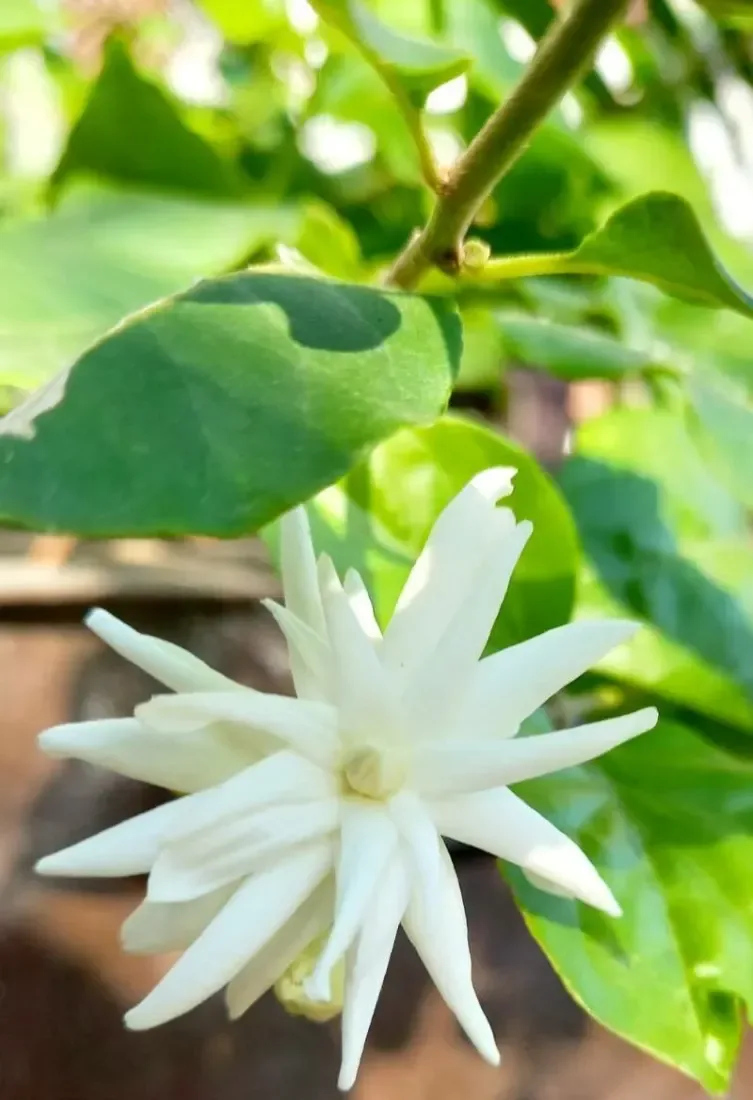
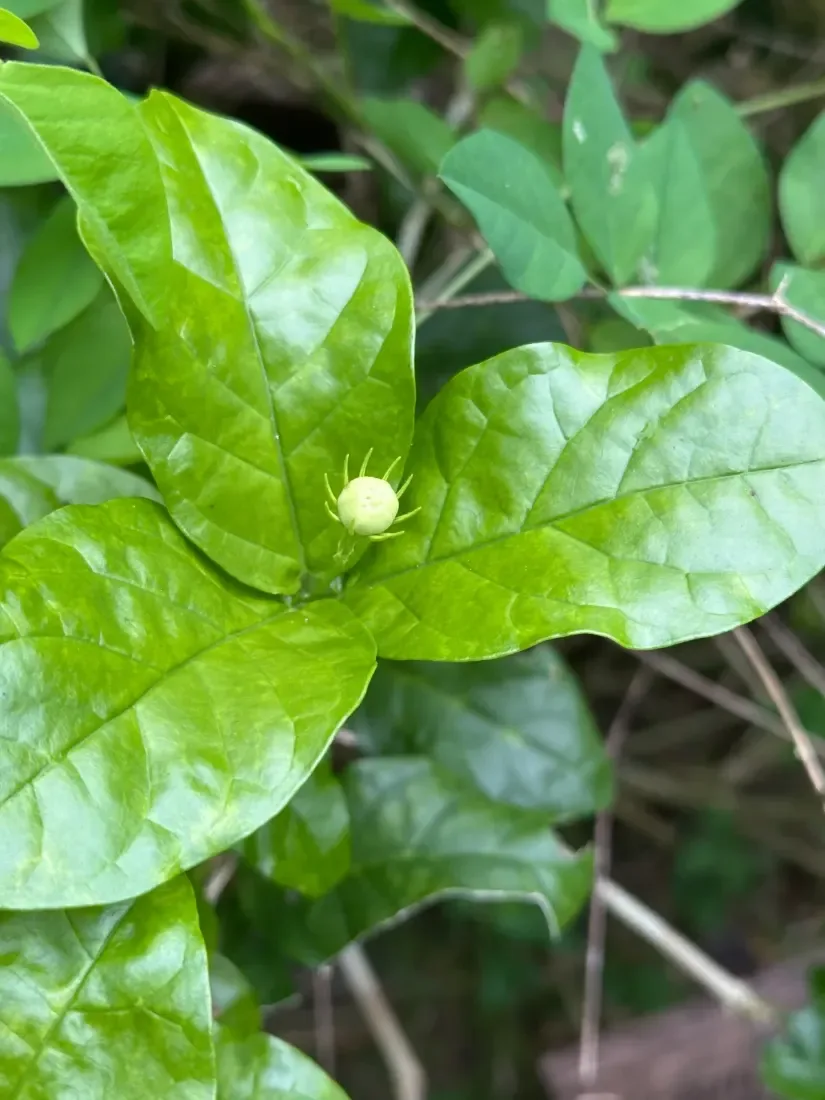
મોગરો
Jasminum sambac
Arabian jasmine
Native
Commonly known as Jui, Tuscan Jasmine, Mogori Sambac, Moss Rose Jasmine, Sambac jasmine, Mogro.
No specific wildlife-relationship data recorded for this species.
- Seed needs no pre-treatment and is best sown fresh, in a partially shaded spot.
- Cuttings, 12-20cm long, taken from terminal shoots root better with a root stimulator; 8cm semi-ripe cuttings in sandy medium typically root within 4 weeks, and shoot-tip cuttings treated with fungicide tend to outperform semi-ripe ones.
- Field layering uses one-year-old shoots: make a slanting cut about halfway through the shoot roughly 50cm from its end, bury the cut section 10-15cm deep with the tip left above ground, and after 4-6 months the rooted layer can be separated and transplanted.
Ayurveda describes Mogra's flowers as aphrodisiac and its leaves as a blood purifier and skin remedy, prescribed for a wide range of complaints. In one traditional practice for erectile difficulties, a bunch of flowers is placed on the genitals, its fragrance believed to awaken desire, which is also why garlands of it are worn.
- Dried flowers are used to scent tea (a classic combination is 30kg of jasmine flowers to 10kg of a related species per 100kg of tea), and an aromatic flower-water is popular in Thai desserts.
- Roots and leaves are important in Ayurveda, with leaves showing stronger medicinal action than flowers: they're antiamoebic, astringent, and fever-reducing, used in decoction for fever and infused for pulmonary catarrh, bronchitis, and asthma.
- A leaf poultice treats skin complaints and wounds, and bruised leaves or flowers are applied to lactating women's breasts to discourage milk production.
- Root tincture is a strong sedative and pain reliever, given fresh for fever and venereal disease, and used externally for sprains and fractures.
These uses are documented for information only and are not medical advice. Always verify the species and the plant part before use.
Bhutan and India, up to 600m; the double-flowered form is grown commercially in Uttar Pradesh and Chennai.