-
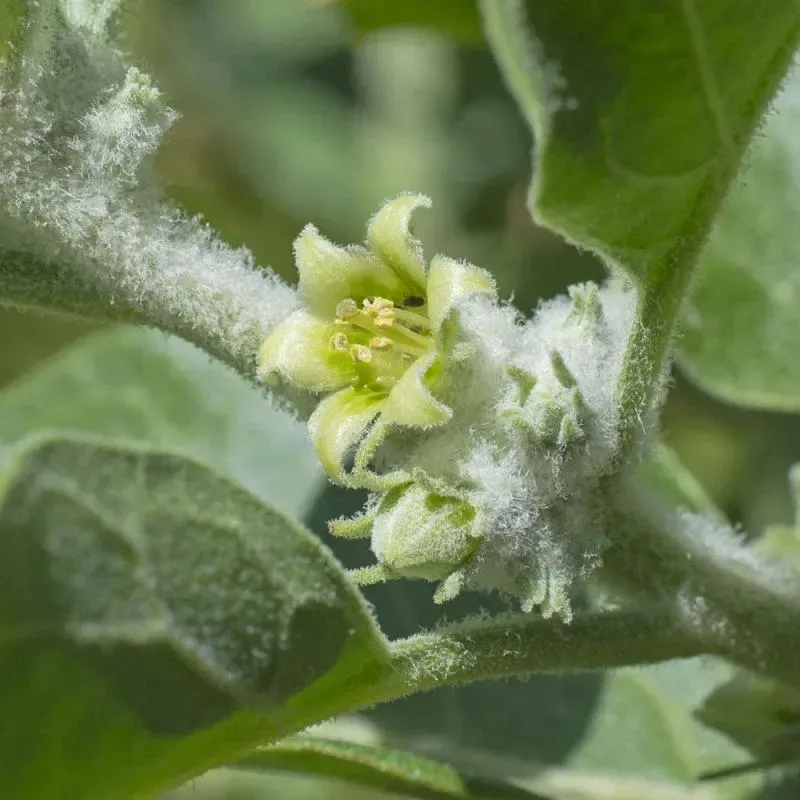
Cor Zonneveld
-
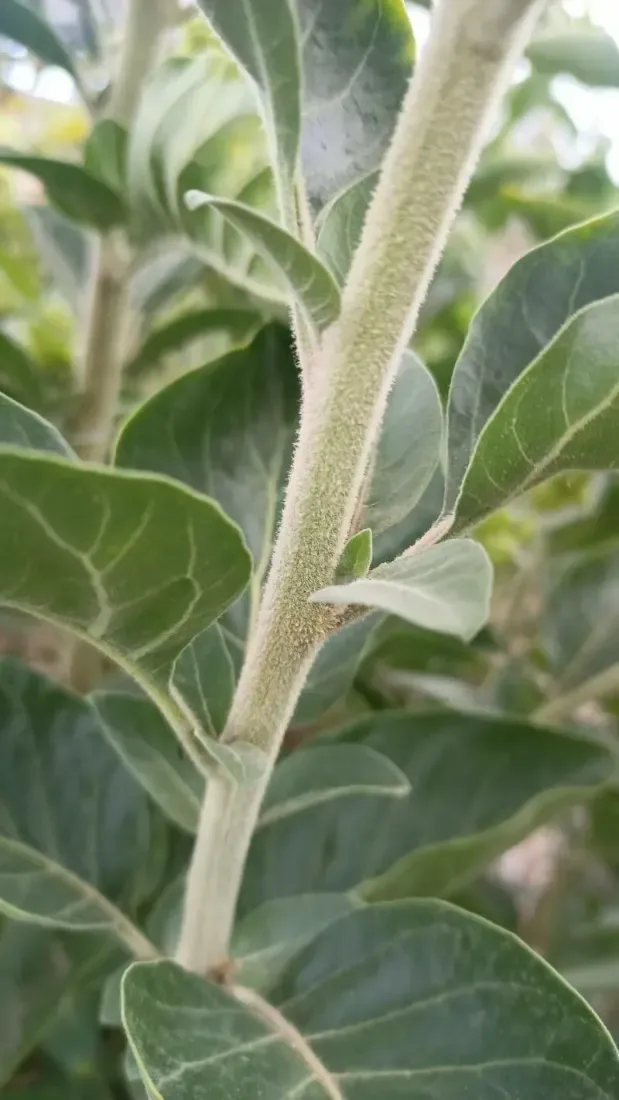
Daniel Saez Buedo
-
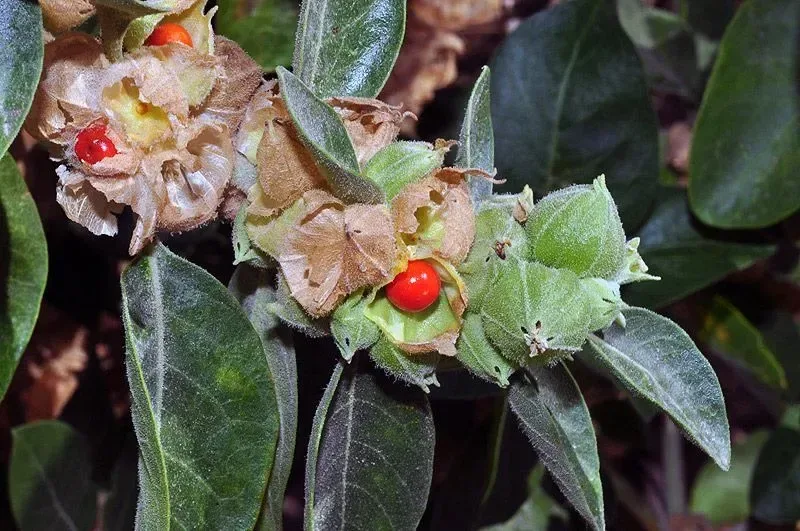
Paco (Faluke)
-
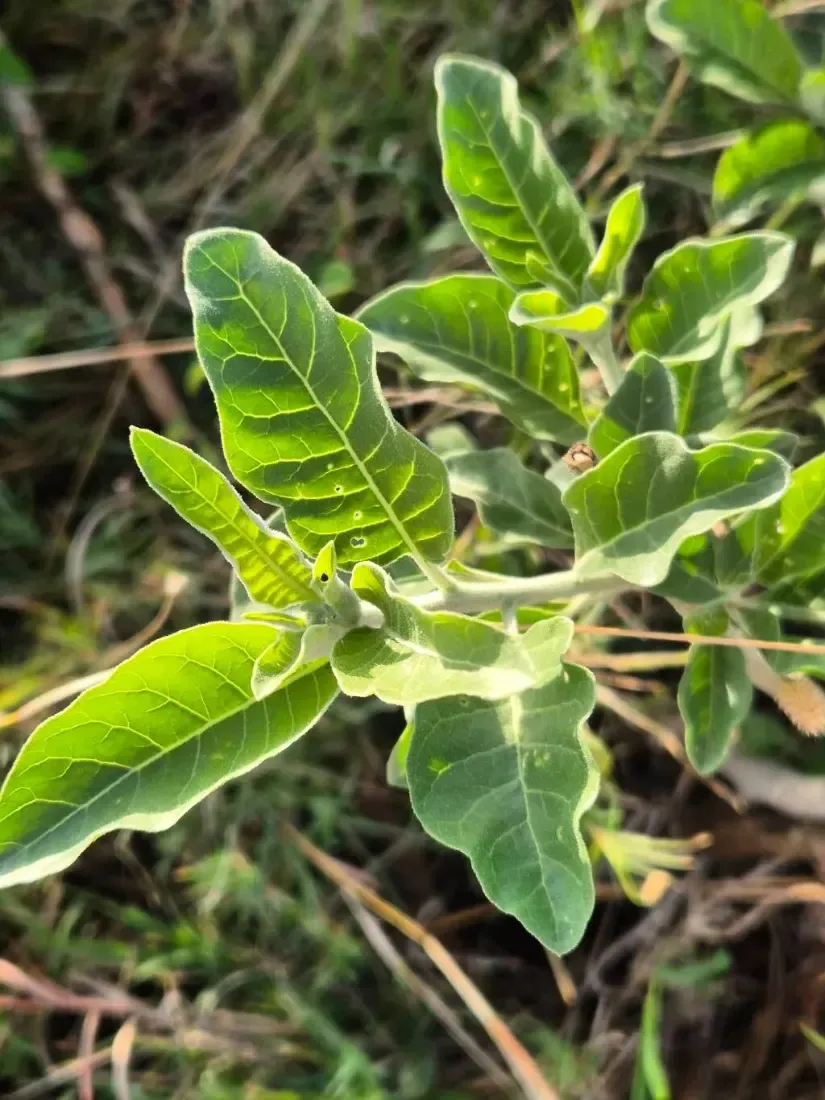
Susan Brown
અશ્વગંધા
Withania somnifera
Ashwagandha असगन्ध
Native
Commonly known as horse root, Indian ginseng, poison gooseberry, winter cherry, burr wood, આસુન, આસુંઢ.
No specific wildlife-relationship data recorded for this species.
- Sow seed directly in the ground or in containers.
- Germination rate is usually high, within about 2 weeks.
- Seedlings are ready to transplant into the field after 25-30 days, or prick them into individual pots once large enough to handle and plant out later.
Ayurveda considers it deeply rejuvenating: strengthening, immune-boosting, and useful for conditions from insomnia to infertility. Popular Ayurvedic preparations include Ashwagandharishta and Ashwagandha ghrit.
- The root is the main medicinal part, prized as an adaptogen that improves overall vitality and aids recovery after illness.
- Root extracts have shown cardioprotective and liver-protective effects, antidepressant and anxiety-relieving properties (via compounds called sitoindosides), memory-boosting and even Parkinson's-relevant effects on cognition, positive impact on osteoarthritis cartilage, immune-boosting activity, and promising (though preliminary) anticancer potential across several human cancer cell lines.
- The whole plant, especially leaves and root bark, is also used to tone the uterus after miscarriage, treat nervous exhaustion and insomnia, and, applied externally, as a poultice for boils and wounds.
- One caution: despite its aphrodisiac reputation, some studies found root powder actually impaired libido, so results aren't entirely consistent.
These uses are documented for information only and are not medical advice. Always verify the species and the plant part before use.
Found from the Mediterranean and most of Africa through West Asia to Pakistan, India, and Sri Lanka.