-
-
Khilesh Tekam
-
Plantuse
-
Plantuse
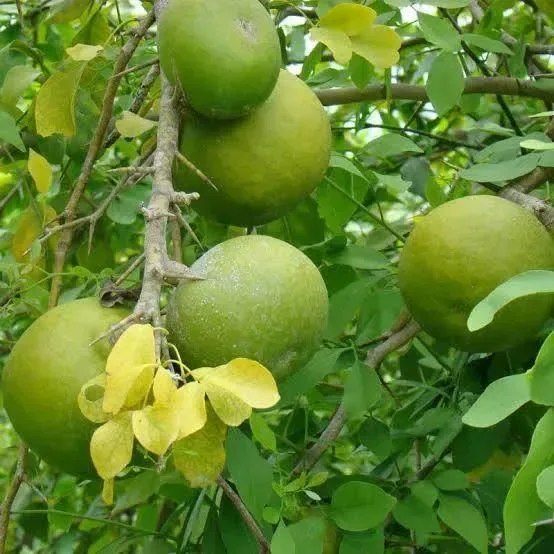
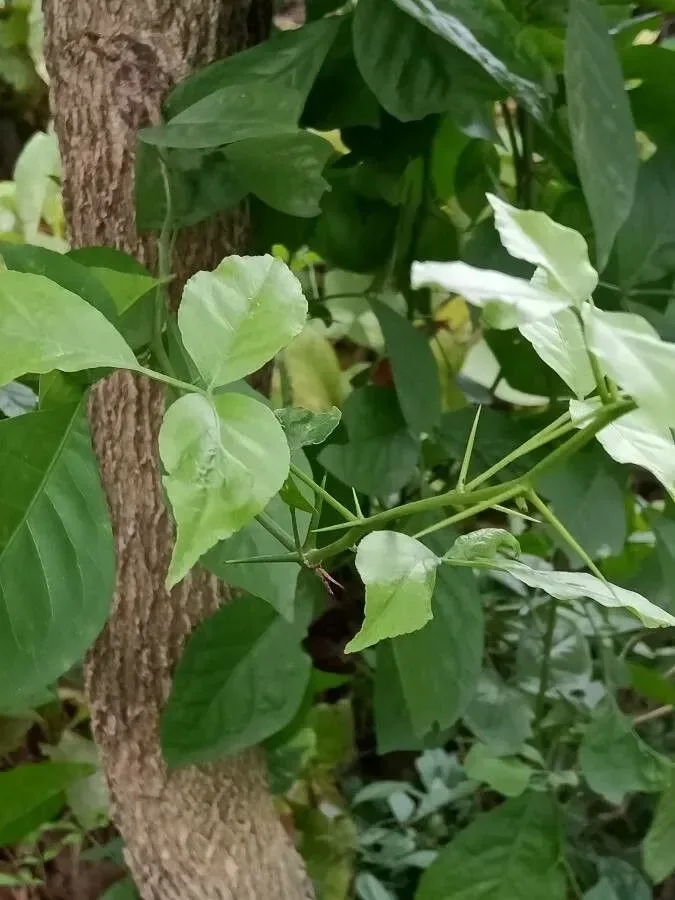
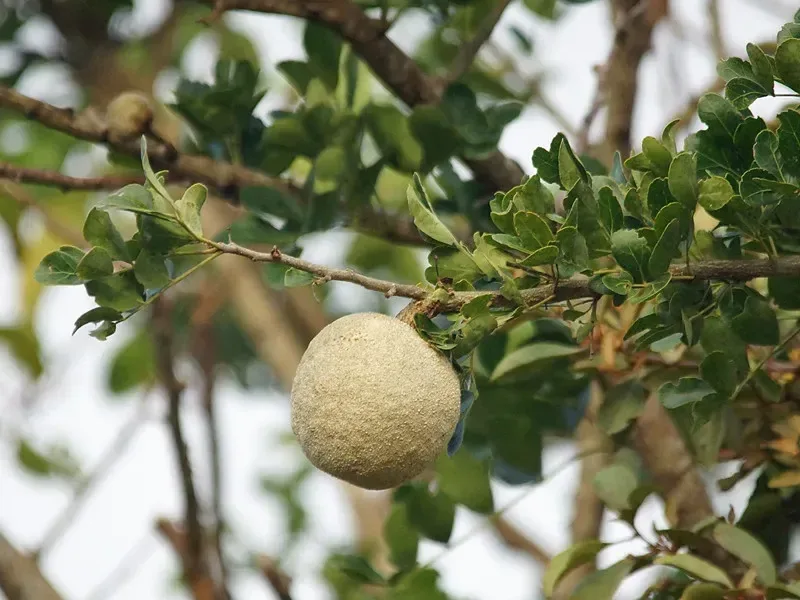
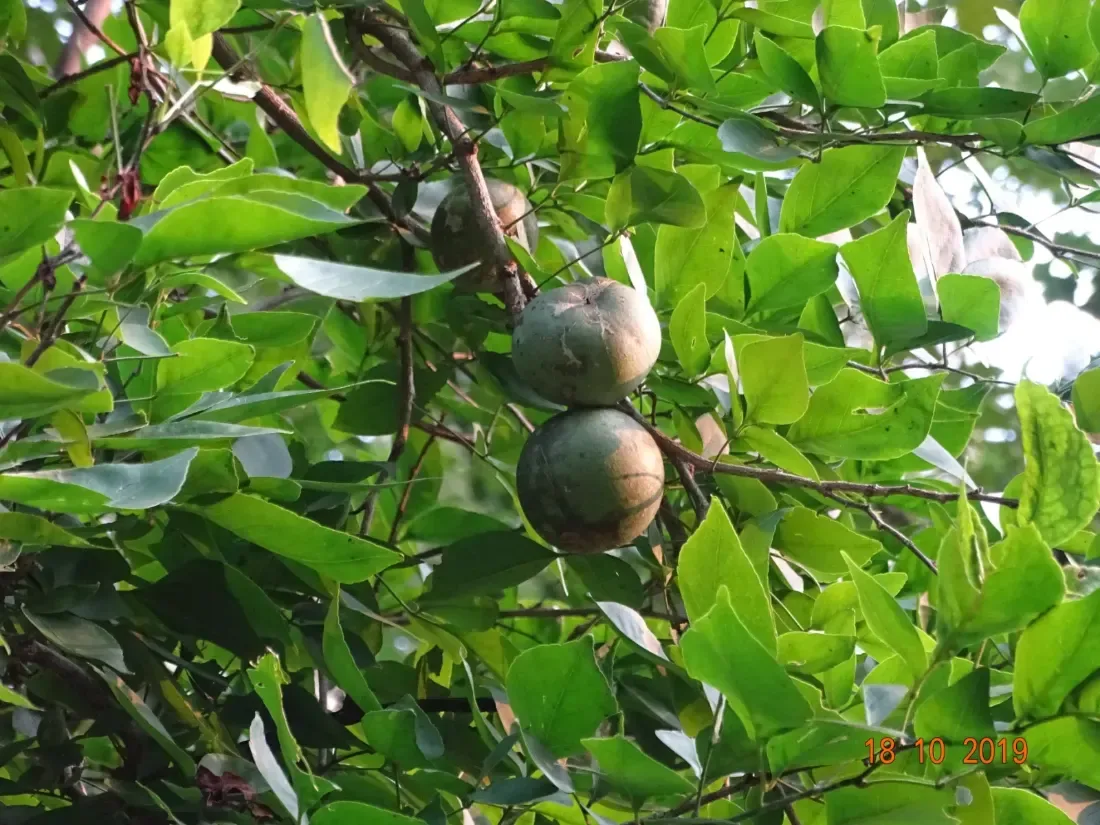
બીલી
Aegle marmelos
Bael बेल
Native
Habit
Tree
Origin
Native
Flowering
Summer
Edible
Yes
Soil
Almost any
Soil pH
5–10
No specific wildlife-relationship data recorded for this species.
Fresh Bael leaves are a required offering to Lord Shiva in religious rituals, and the tree itself is considered a direct earthly dwelling place of the deity.
- The green, sun-dried unripe fruit is a premier traditional remedy for chronic diarrhoea and dysentery, while the ripe fruit works the opposite way, as a gentle laxative that soothes the gut.
- Fresh leaf juice is traditionally taken on an empty stomach by people managing diabetes, to help regulate insulin.
- Leaves and roots, rich in tannins and flavonoids, protect against gastric ulcers and reduce joint inflammation.
- Ripe pulp is made into a cooling summer sharbat, and in Gujarat its timber is used for furniture.
These uses are documented for information only and are not medical advice. Always verify the species and the plant part before use.
More common in the Western Himalayas, the Vindhyas, the Satpuras, Bengal, Bihar, and Central and South India.