-
Edwin Kerssens
-
emilieaa
-
puttaraju r
વડ
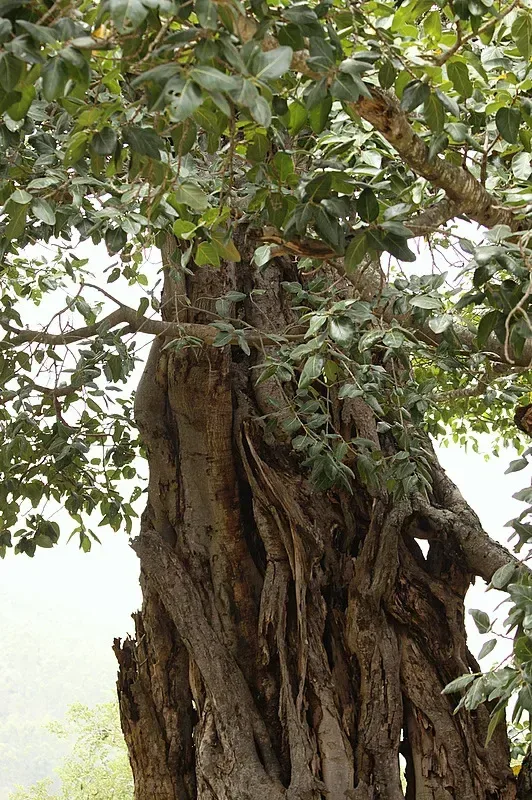
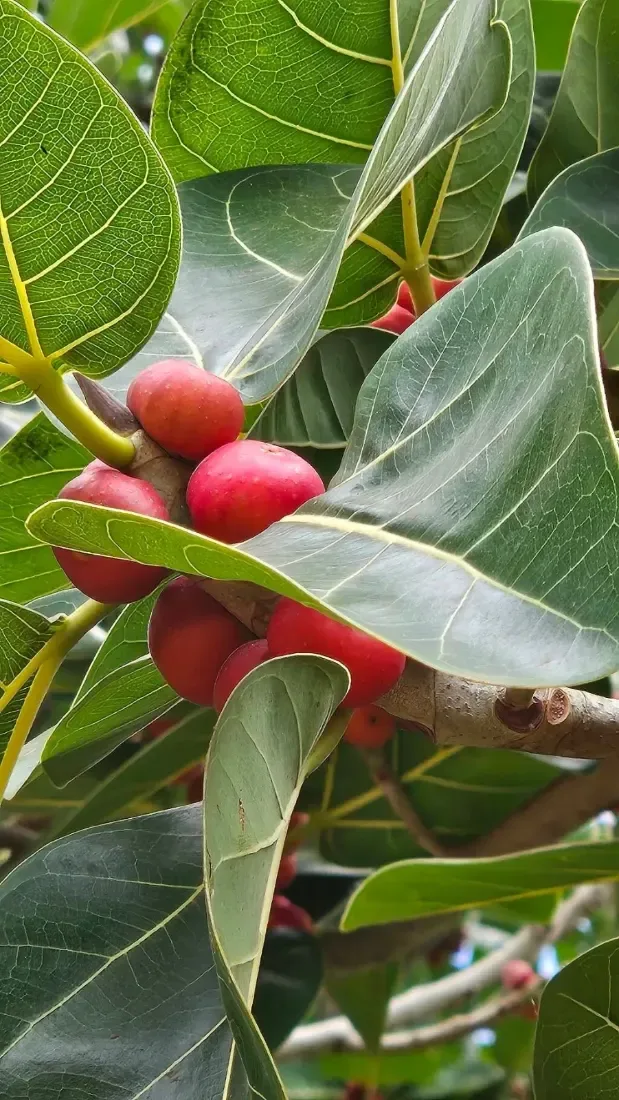
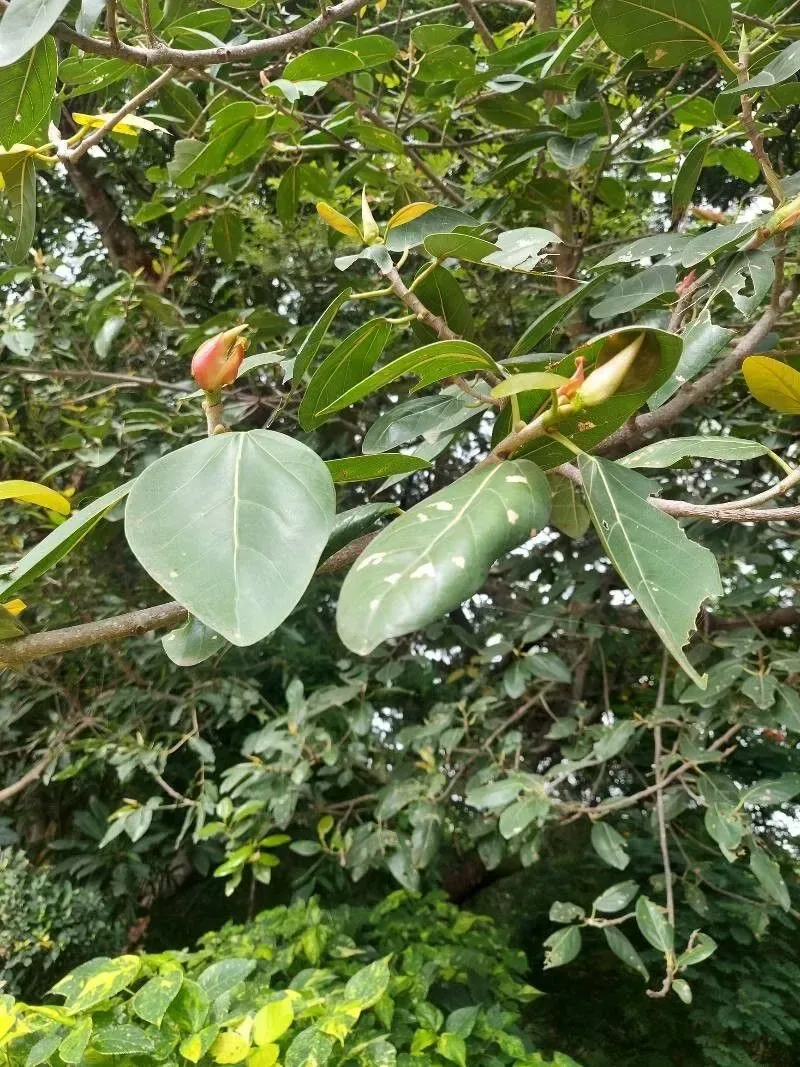
Ficus benghalensis
Banyan वट
Native
Commonly known as Vad.
No specific wildlife-relationship data recorded for this species.
- From seed: germinates best around 20°C.
- Soak seeds in warm water (about 27-29°C) for 24 hours, changing the water once at the 12-hour mark to avoid bacterial buildup.
- Fill shallow trays or 3-inch pots with a living soil mix (60% compost, 25% bark fines, 15% perlite), moisten thoroughly, then drench with a diluted beneficial-bacteria solution (LABS) at a 1:1000 ratio; let it sit 2-4 hours before planting.
- Scatter the tiny seeds on the surface without burying them, pressing lightly so they contact the soil, spaced about an inch apart.
- Cover with clear plastic or a humidity dome, place somewhere warm with bright indirect light (75-90°F, a heat mat at 80°F helps if the room is cooler), and give 12-14 hours of light daily.
- Check daily, mist lightly if the surface looks dry, avoid standing water, and ventilate the dome briefly each day to prevent mould.
- Germination usually takes 14-30 days, sometimes up to 8 weeks.
- Transplant seedlings once they're 3-4 inches tall with 4-6 true leaves, into a pot at least twice the current size, using the same living-soil mix with a bit more aged bark for aeration.
- Water well and keep in bright indirect light for a week before moving to more direct sun.
- Other methods: air-layering; tip cuttings 4-12cm long from lateral branches.
Ayurveda credits it with treating a huge range of conditions, from phlegm and fever to snakebite. Traditional remedies include applying crushed bark with neem and nettle for tooth pain, and using its latex for scorpion stings, wounds, and sore throats.
- Ripe fruit is eaten raw, mainly by children, though generally only when better food isn't available.
- The milky latex treats toothache, bruises, and rheumatic joints, and is applied to wounds to fight infection.
- Bark is tonic and diuretic; an infusion treats diabetes.
- Root fibre decoctions address gonorrhoea, and the fruit itself is considered tonic and cooling.
These uses are documented for information only and are not medical advice. Always verify the species and the plant part before use.
Found across the sub-Himalayan region and deciduous forests of the Deccan and South India, commonly planted for shade along roads and in parks. The world's largest Banyan botanical garden is in Sibpur, Kolkata; Kabirvad on the Narmada in Gujarat is a famous giant specimen.