-
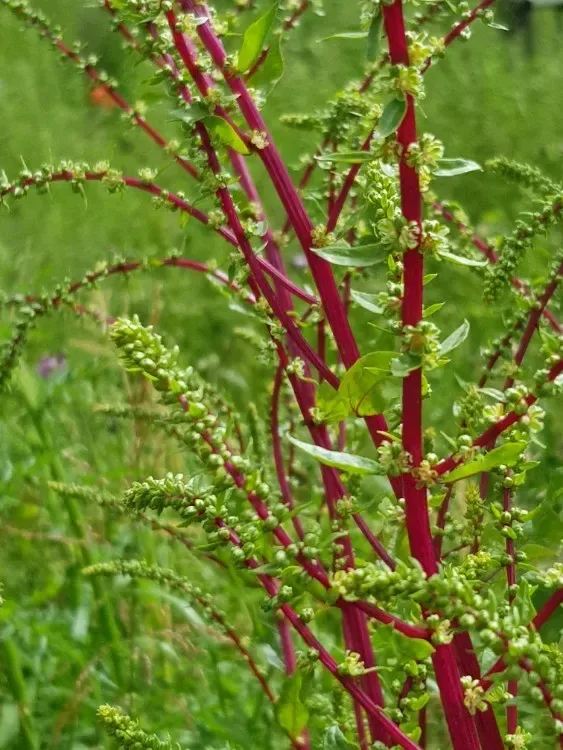
Cornelis Splinter
-
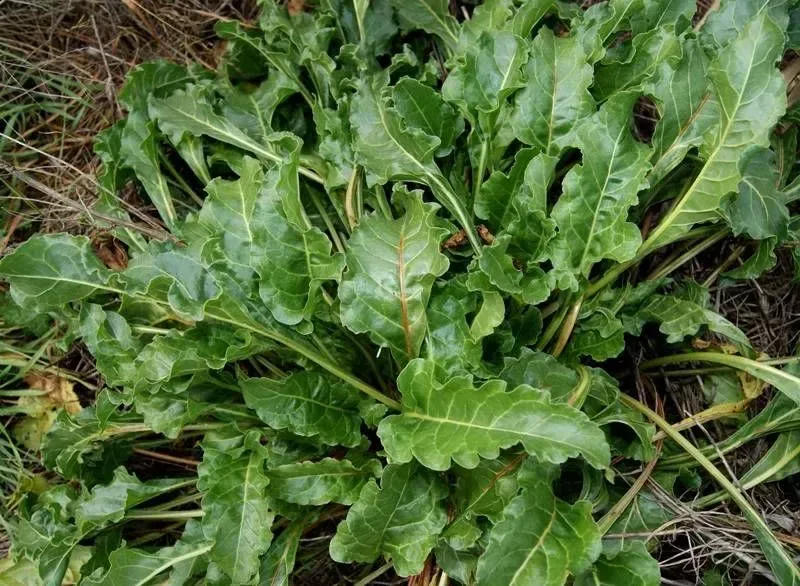
Jose Carrillo Lopez
-
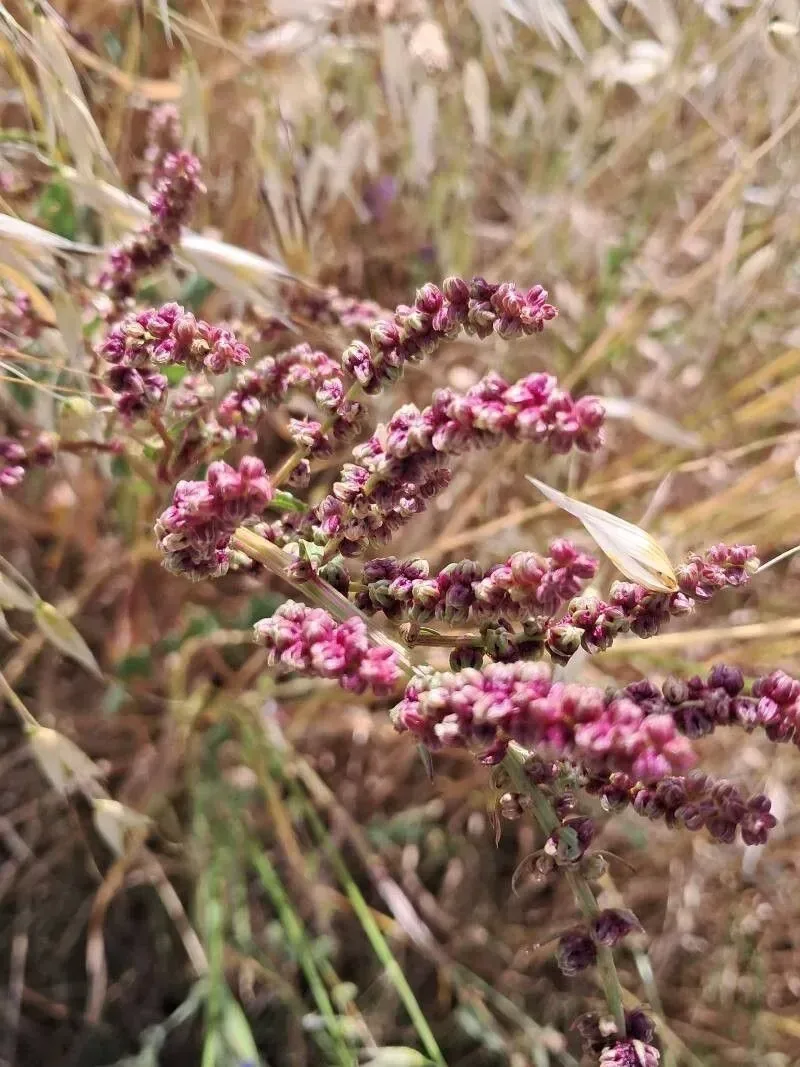
Monteiro Henrique
-
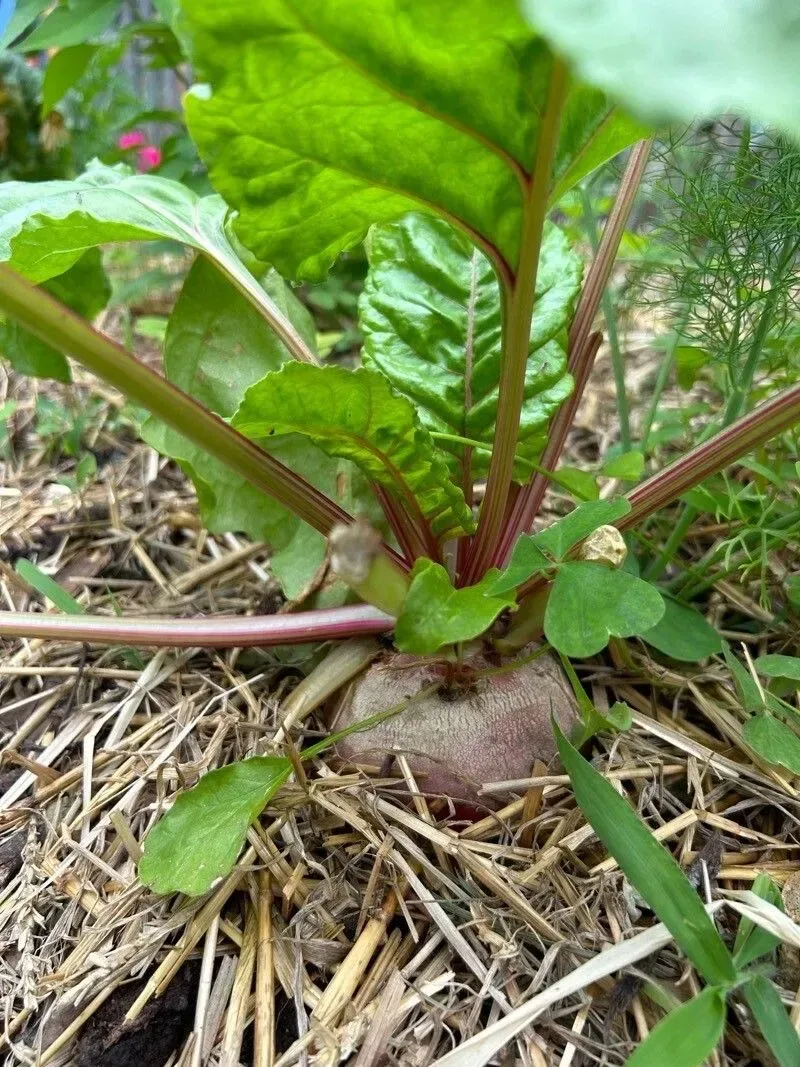
d Paolo M
બીટ
Beta vulgaris
Beetroot चुकंदर
Naturalised
Habit
Vegetables
Origin
Naturalised
Flowering
Winter, Summer
Edible
Yes
Sun
Full sun
Water
Steady moisture
Drainage
Needs to drain well
Soil
Rich in organic matter
Started from
Seed
Flowers attract insects once the plant is allowed to bolt (flower).
- Use a well-draining, rich potting mix with compost and organic matter.
- Beetroot thrives in full sun, give it plenty of sunlight throughout the day for quick, flavourful growth.
- Plant seeds about 1/2-1 inch deep, spaced roughly an inch apart in a trench, or sow clusters of seeds in seedling trays.
- Lightly cover with soil, gently tamp down, and water gently after planting.
- Once seedlings are 4-5 inches tall, thin them out, removing the extras so the remaining plants have 4-10 inches of space.
- Water regularly, especially in dry spells.
- Harvest the beets once they're about 2-3 inches in diameter.
- Loosen the soil around the roots to avoid damage, then gently pull the beetroot free.
Used in Indian salads, pickles, juices, and mixed vegetable dishes.
- Roots are roasted, boiled, pickled, or eaten in salads; young leaves are edible too.
These uses are documented for information only and are not medical advice. Always verify the species and the plant part before use.
Cultivated in many parts of India; grows best around Ahmedabad in the cooler seasons.