-
Aruna Gamuz
-
Plantuse
-
Plantuse
ડવલો
Sterculia guttata
bloody drop ordure tree हिरीक
Native
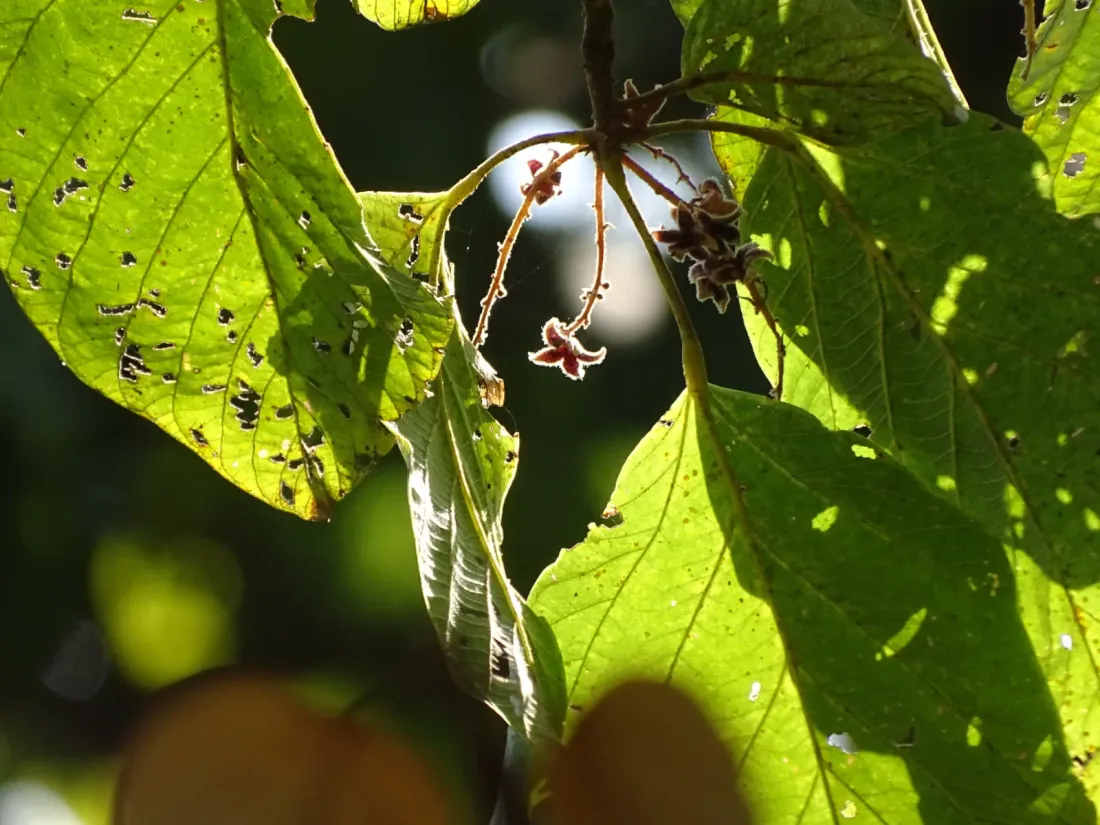
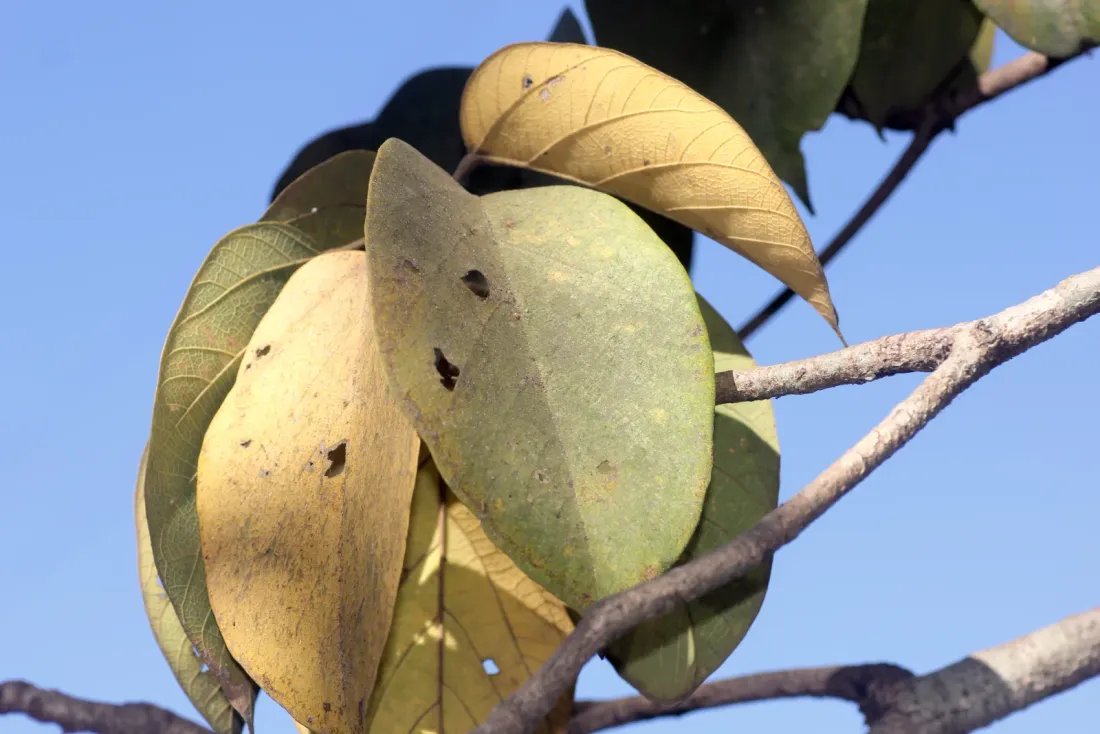
Commonly known as spotted sterculia.
Habit
Tree, Flowers
Origin
Native
Edible
Yes, To be verified
Started from
Seed, Cuttings
No wildlife-relationship data recorded for this species yet.
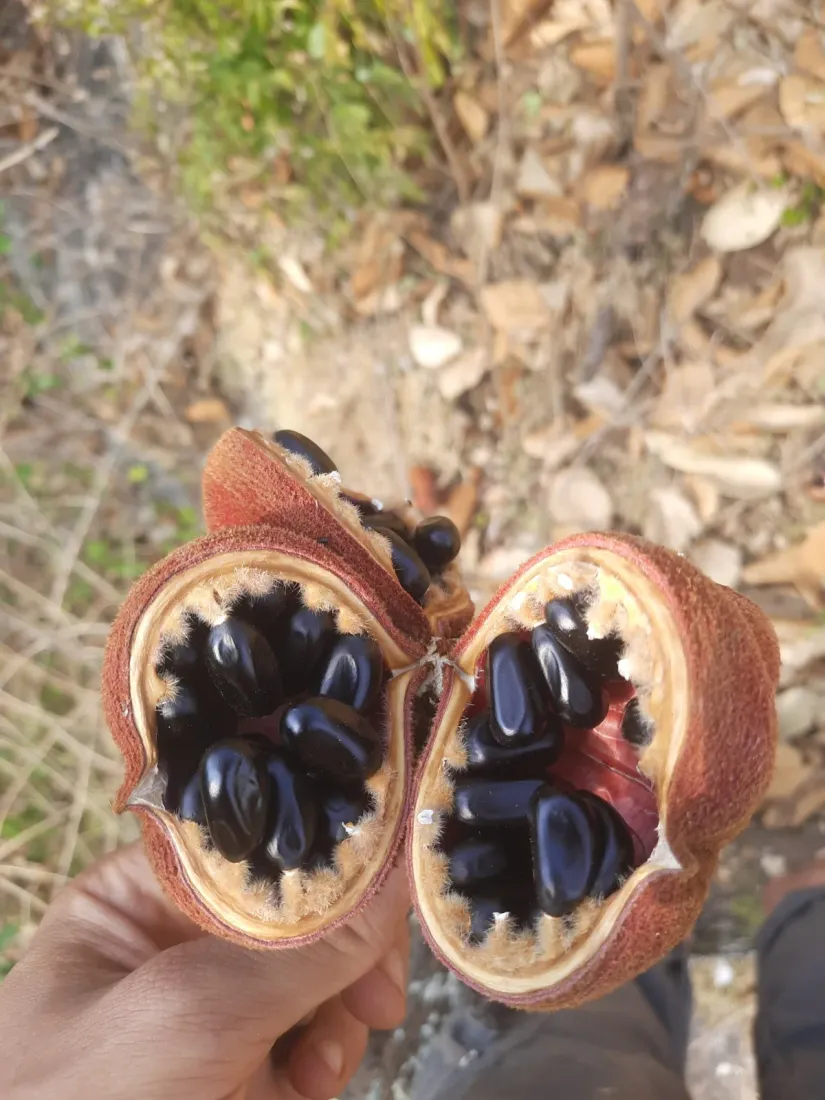
- The seed coat is hard and creates dormancy that needs to be broken by scarifying, carefully cutting or abrading part of the coat without damaging the embryo inside.
- The aril around the seed should also be removed, which is easiest after soaking it in water.
- Seeds germinate best between 20-30°C and can go into a nursery bed or containers.
- Properly treated seed germinates at about 95% within roughly two weeks.
No cultural-significance data recorded for this species yet.
- Seeds can be eaten raw or roasted and taste something like peanuts; historically an important food during shortages.
- Bark and leaf juice are used to treat fevers and diarrhoea.
- The bark of younger trees carries strong, flaxen fibres used for coarse cloth, and bark from 10-year-old trees is used for cordage.
These uses are documented for information only and are not medical advice. Always verify the species and the plant part before use.
India, Sri Lanka, Bangladesh, the Andaman Islands, Myanmar, Thailand, and Laos.