-
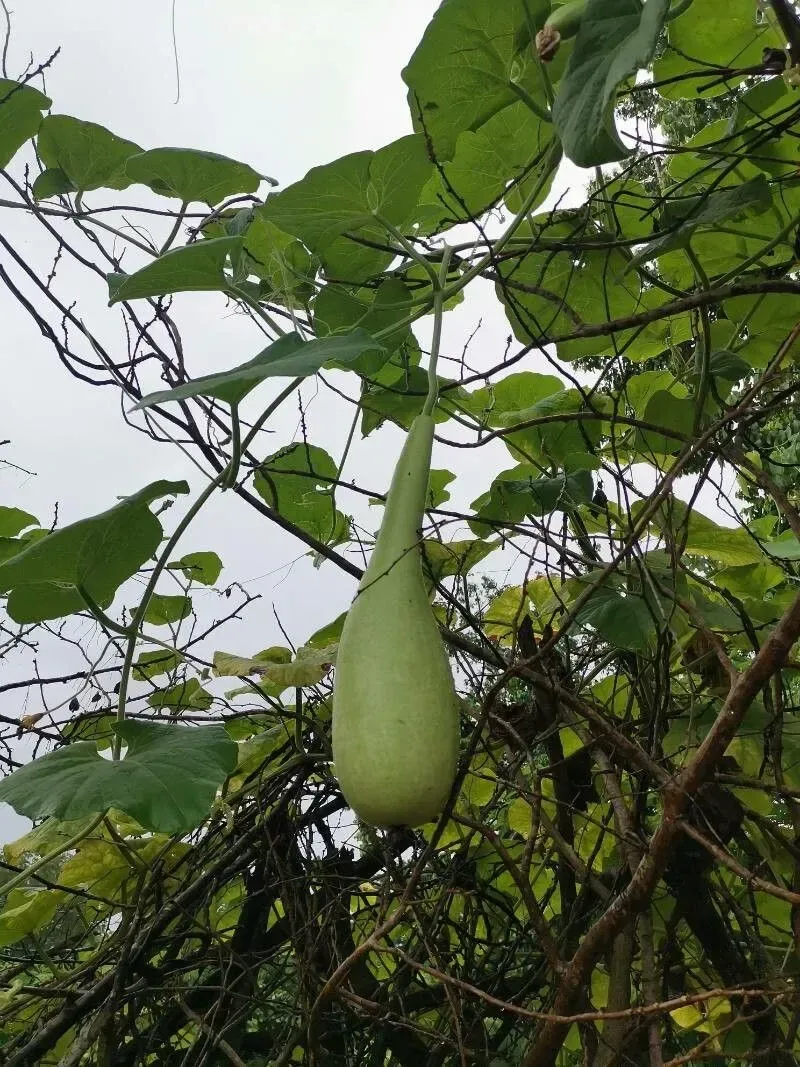
Edith
-

Rodrigo Acosta
Habit
Vegetables, Climber
Origin
Naturalised
Flowering
Monsoon, Winter, Summer
Edible
Yes
Sourcing
Available
Sun
Full sun
Water
Steady moisture
Drainage
Needs to drain well
Soil
Rich in organic matter
Started from
Seed
Germinates
7–8 days
Large flowers provide nectar and pollen for bees and other pollinators; fruit and seeds, left mature, can support wildlife.
- Summer and monsoon are the best times to plant seeds.
- Soaking seeds in water or amrut jal for 10-12 hours can speed up germination.
- Sow seeds directly in small pits or on raised beds, they germinate in 7-8 days.
- Build a strong trellis for the climber to grow on.
- Pinch off the growing points of young plants to encourage branching.
- In the second month, side shoots develop separate male and female flowers.
- After pollination, small gourds form beneath the female flowers; if male flowers are especially plentiful, some can be removed.
- The harvesting season begins about 2-3 months after sowing and continues for roughly 6-8 weeks.
- The best time to harvest is when fruit has a soft, smooth surface, you should be able to push a fingernail through the skin or scrape it easily.
A familiar vegetable in Indian kitchens; mature gourds have also traditionally been used as vessels and musical instruments.
- Young fruit is cooked into curries, soups, and kofta; mature dried fruit has traditional uses as a container.
These uses are documented for information only and are not medical advice. Always verify the species and the plant part before use.
Widely cultivated across India, including Gujarat.