-
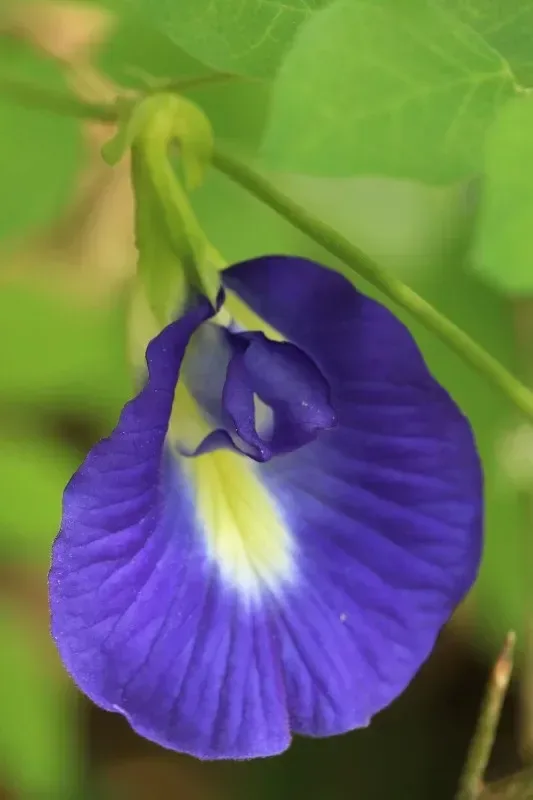
Pieter Bruijsten
-
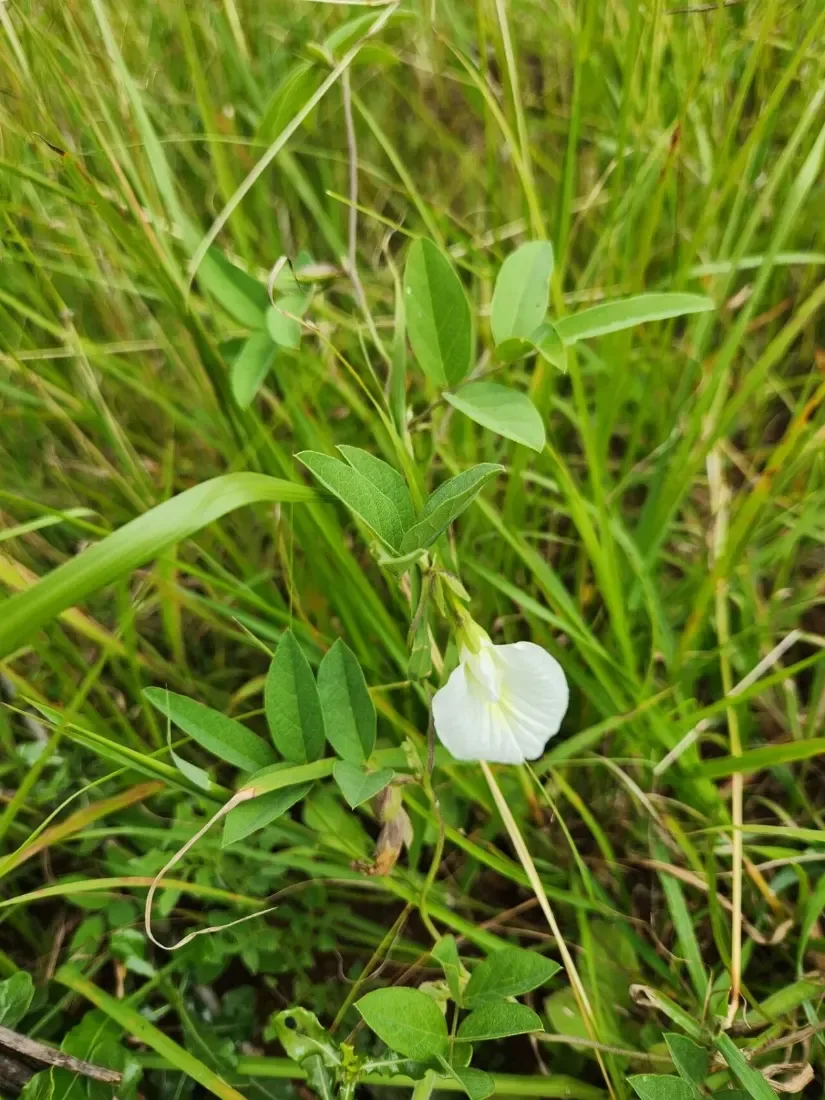
Susan Brown
-
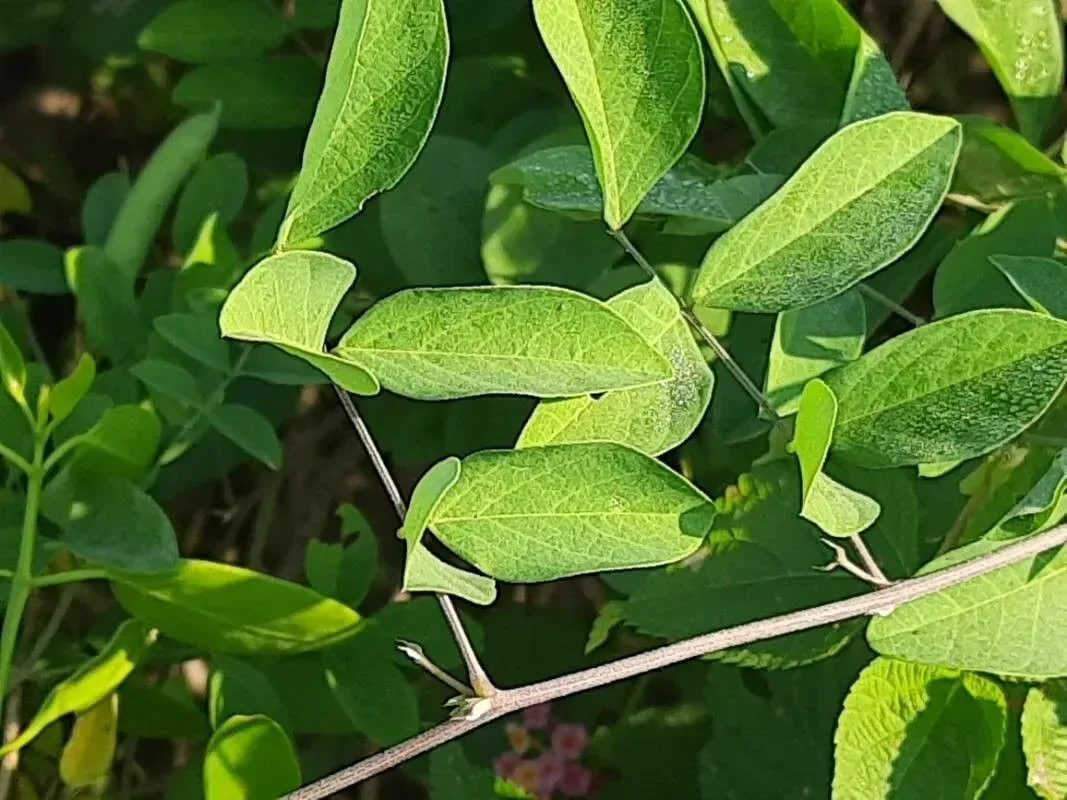
prasadnayak2002
-
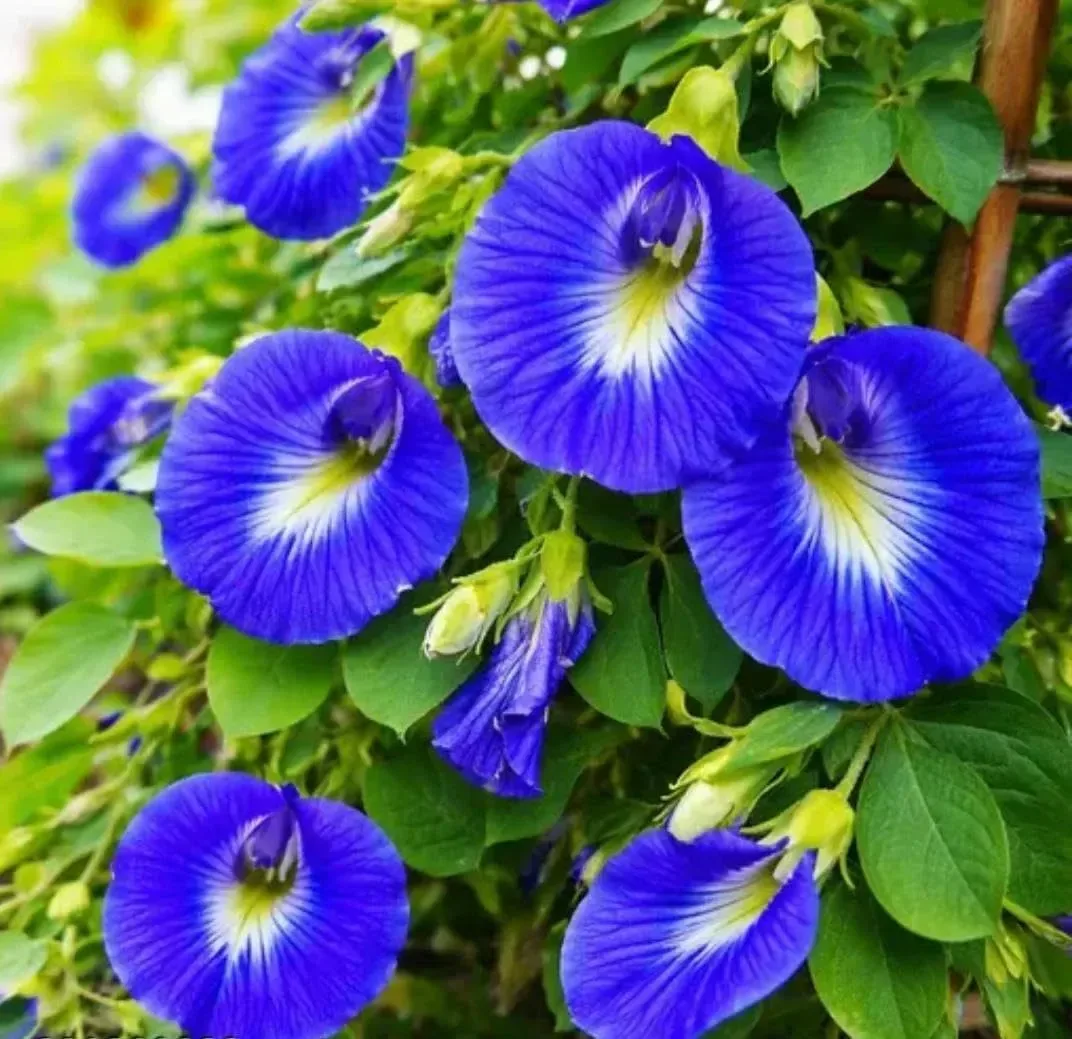
અપરાજિતા अपराजिता
Clitoria ternatea (blue) (white)
Butterfly Pea
Native
Commonly known as Clitoria, Garnibibri.
Habit
Climber, Flowers
Origin
Native
Flowering
Winter, Monsoon
Edible
Yes
Sun
Full sun
Water
Drought tolerant
Drainage
Needs to drain well
Soil
Almost any, including clay
Soil pH
5.5–8.9
Started from
Seed
No specific wildlife-relationship data recorded for this species.
- Hand-harvested seed often stays hard for a long time and needs scarification before sowing, mechanical abrasion, hot water, or sulphuric acid all work.
- Sow from the start to the middle of the wet season, at 3-5kg of seed per hectare in well-prepared beds, placing seed 1.5-4cm deep and lightly covered (higher rates, 5-8kg/ha, for rougher ground).
- Germination is quick: the radicle emerges within 48-72 hours and seedlings appear in 3-6 days depending on planting depth.
- Seed inoculation with rhizobia usually isn't necessary, but broad-spectrum cowpea inoculum can be used if desired.
No cultural-significance data recorded for this species.
- Flowers colour rice cakes and boiled rice a vivid blue; young leaves are cooked as a vegetable and can also be used as a natural food dye.
- Young pods are eaten as a vegetable.
- A flower-and-water preparation treats eye problems, and powdered ripe seeds work as a mild laxative.
- Root bark is diuretic and laxative, and the roots (notably bitter and strongly cathartic) treat snakebite.
These uses are documented for information only and are not medical advice. Always verify the species and the plant part before use.
Occurs in grassland, open woodland, bush, riverine vegetation, and disturbed ground throughout its range, and is widely cultivated across the tropics.