-
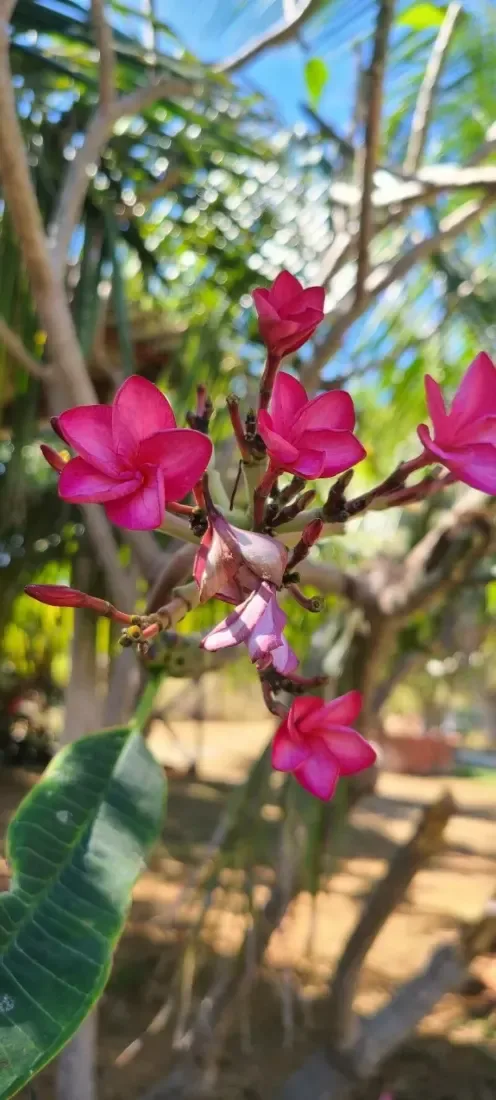
Cind
-
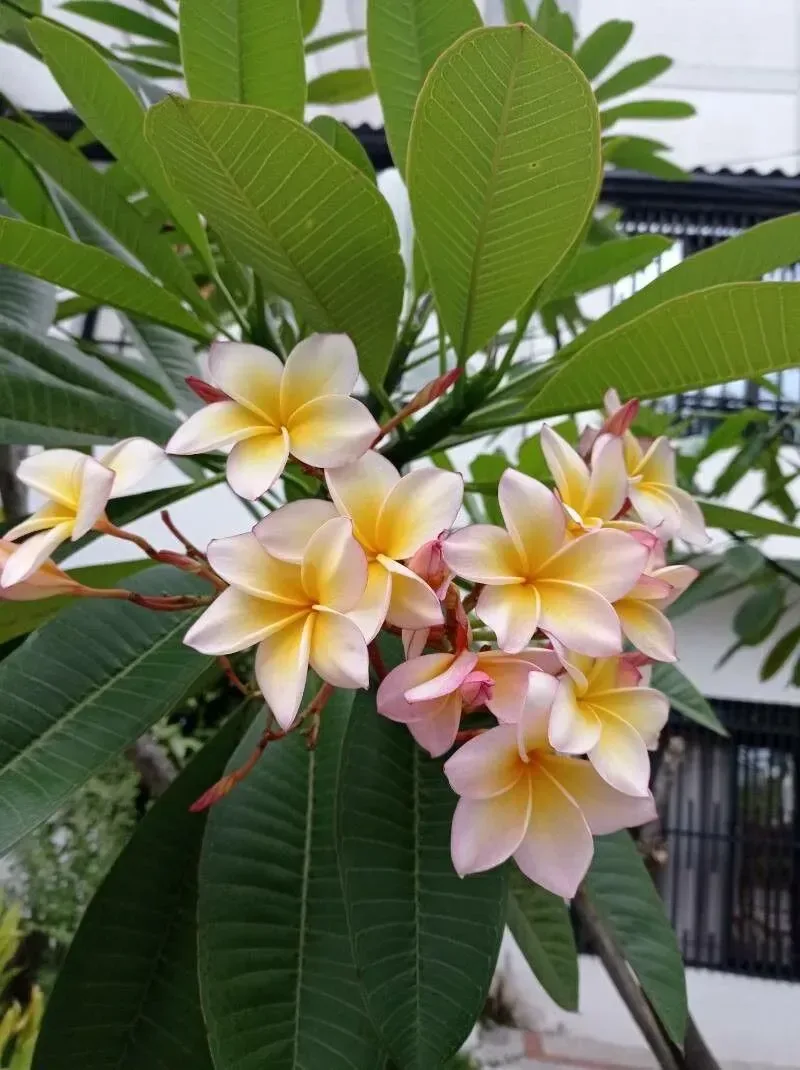
Lozano U. Fernando
-
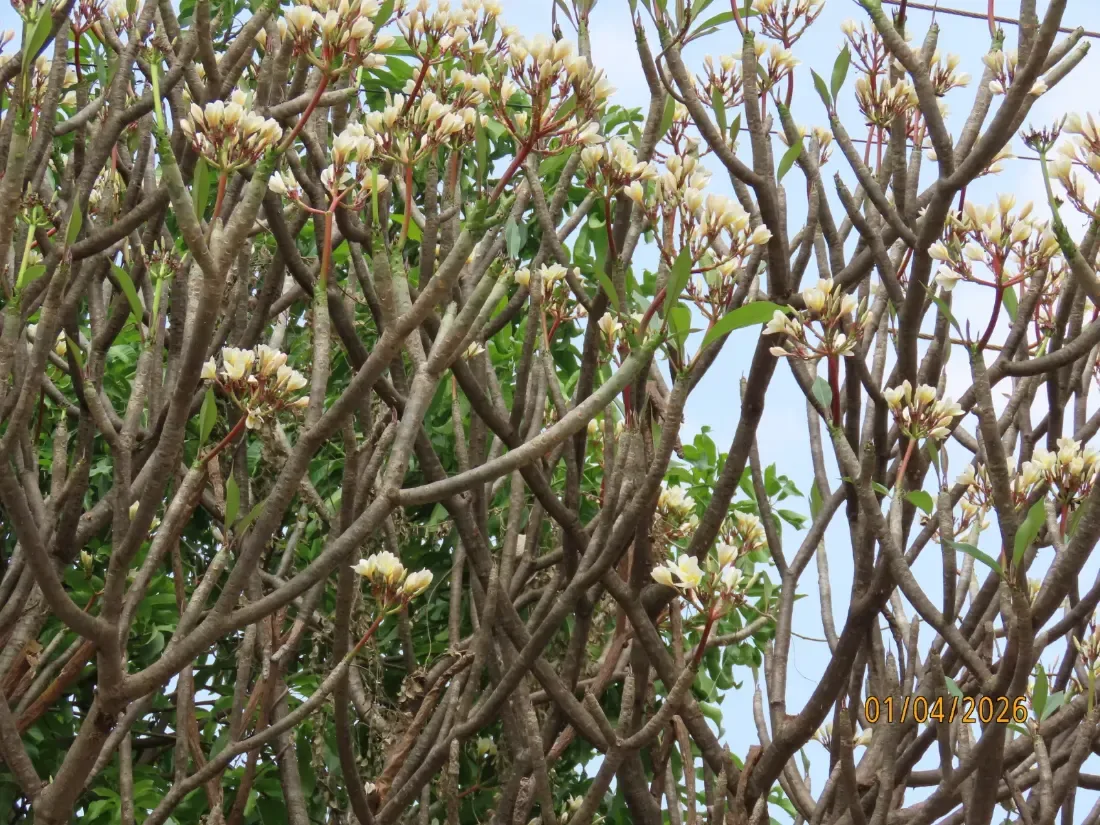
Rujuta Vinod
-
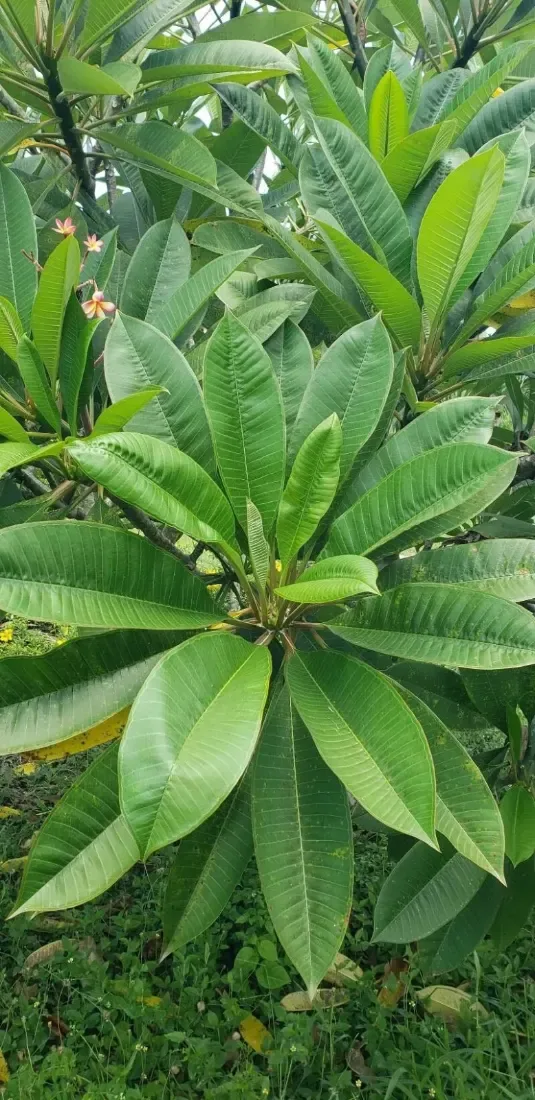
marc Sokolovitch
ચંપો
Plumeria rubra / Magnolia champaca
Champak
Naturalised
Habit
Tree
Origin
Naturalised
Flowering
Winter, Monsoon
Edible
Yes, To be verified
Sun
Full sun
Drainage
Needs to drain well
Soil
Almost any, including rich in organic matter
Started from
Cuttings, Layering
No specific wildlife-relationship data recorded for this species.
- From stem-tip cuttings: allow the cutting to dry for several days before rooting in a cool, shaded spot in well-drained medium, keeping it on the dry side until roots form.
- Even quite large limbs root easily this way.
- Layering is another option.
Ayurveda describes the yellow-flowered variety as bitter, cooling, sedative, and digestive, used in careful doses to build strength; its bark is valued for blood disorders and leprosy.
- Flowers are eaten in sweetmeats.
- Frangipani carries a genuinely wide range of documented activity: uterine-stimulant, antifungal, antibacterial, antitumour, antiviral, and analgesic properties, and a compound called fulvoplumierin shows antibiotic activity against the tuberculosis bacterium specifically.
- Bark is abortifacient and purgative, its juice treats gonorrhoea, venereal sores, and amoebic dysentery, and scraped bark treats scabies and wounds from poisonous fish.
- A leaf poultice eases muscular swelling; the milky latex treats boils, rheumatic pain, wound infection, and toothache; sap soothes wasp and bee stings and centipede bites; and a flower decoction treats cough, constipation, and dysentery.
These uses are documented for information only and are not medical advice. Always verify the species and the plant part before use.
Introduced to India via the Philippines and now naturalised; native range spans western South America (Colombia, Venezuela) through Central America to Mexico, in dry, rocky, hot terrain up to 1,500m.