-
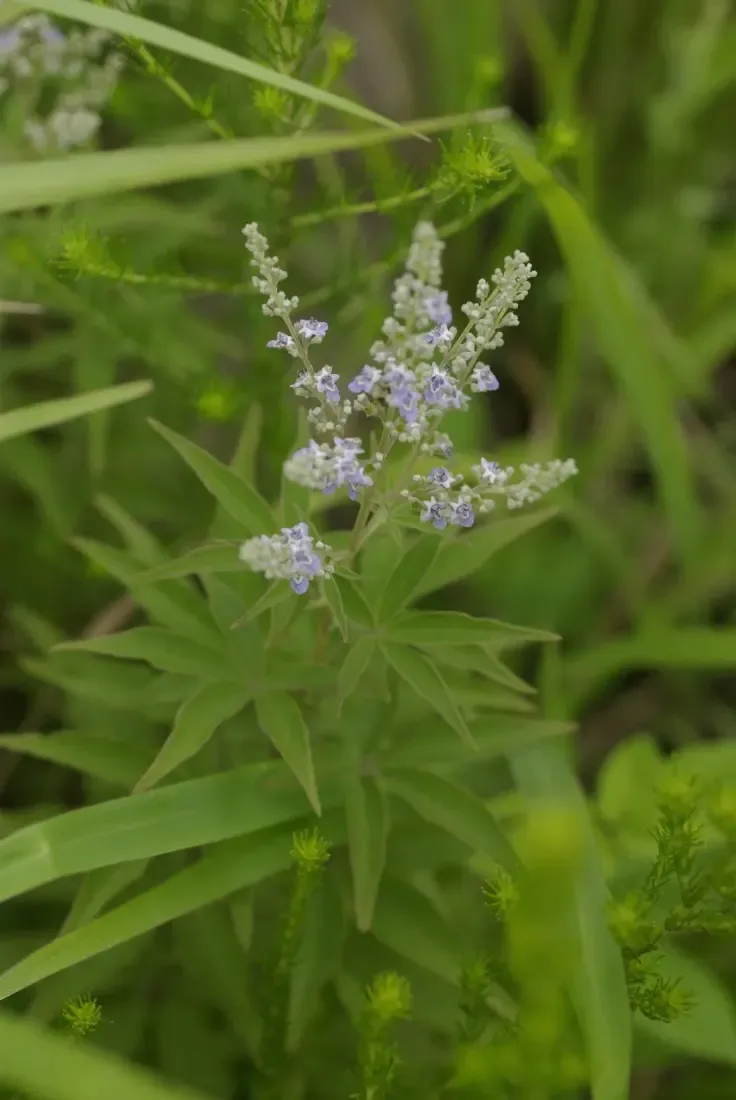
Plantuse
-
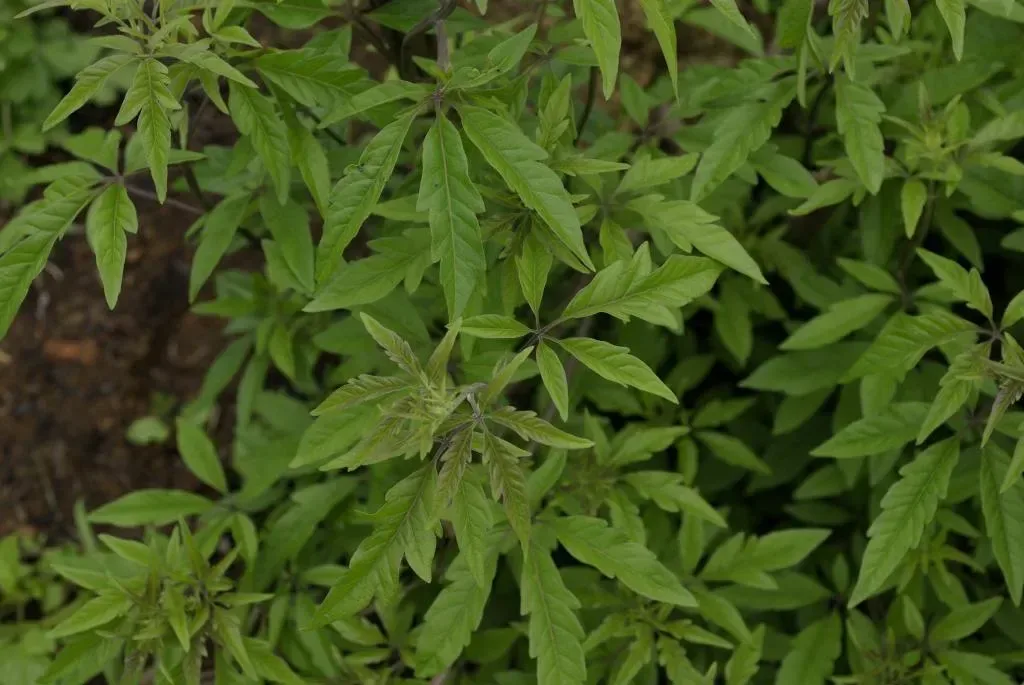
Plantuse
-
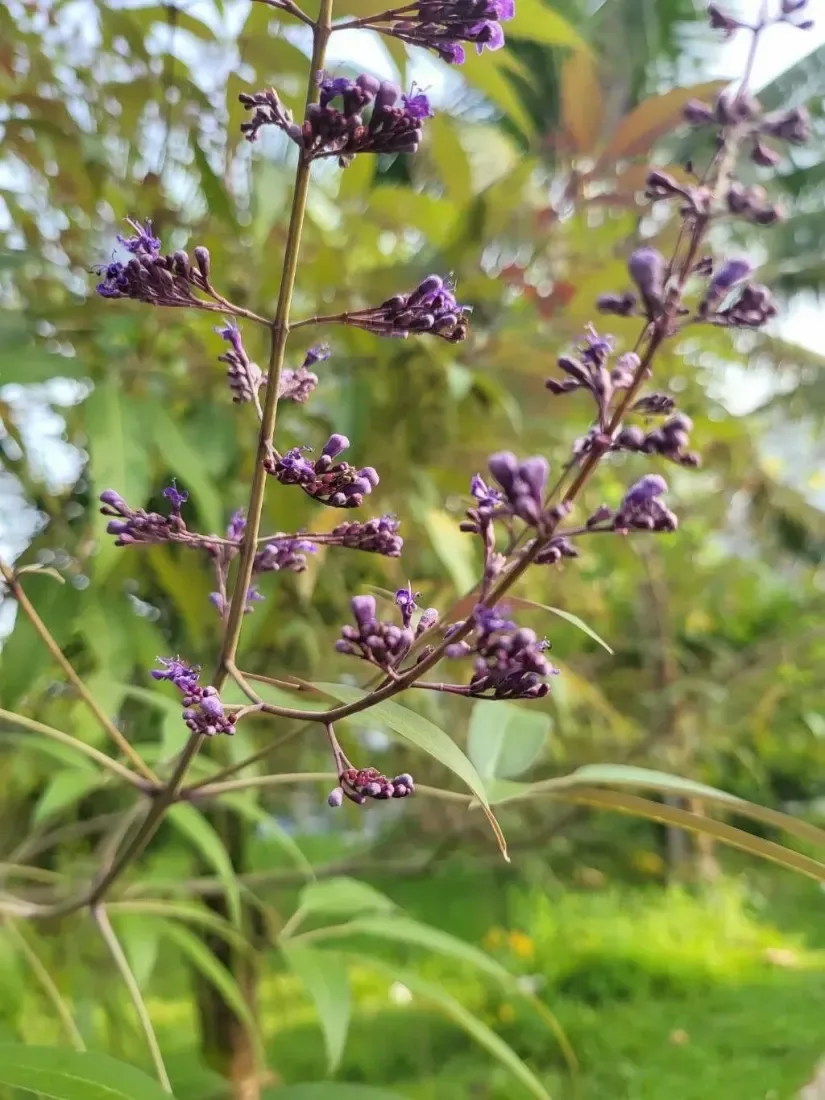
SVT Nesan
-
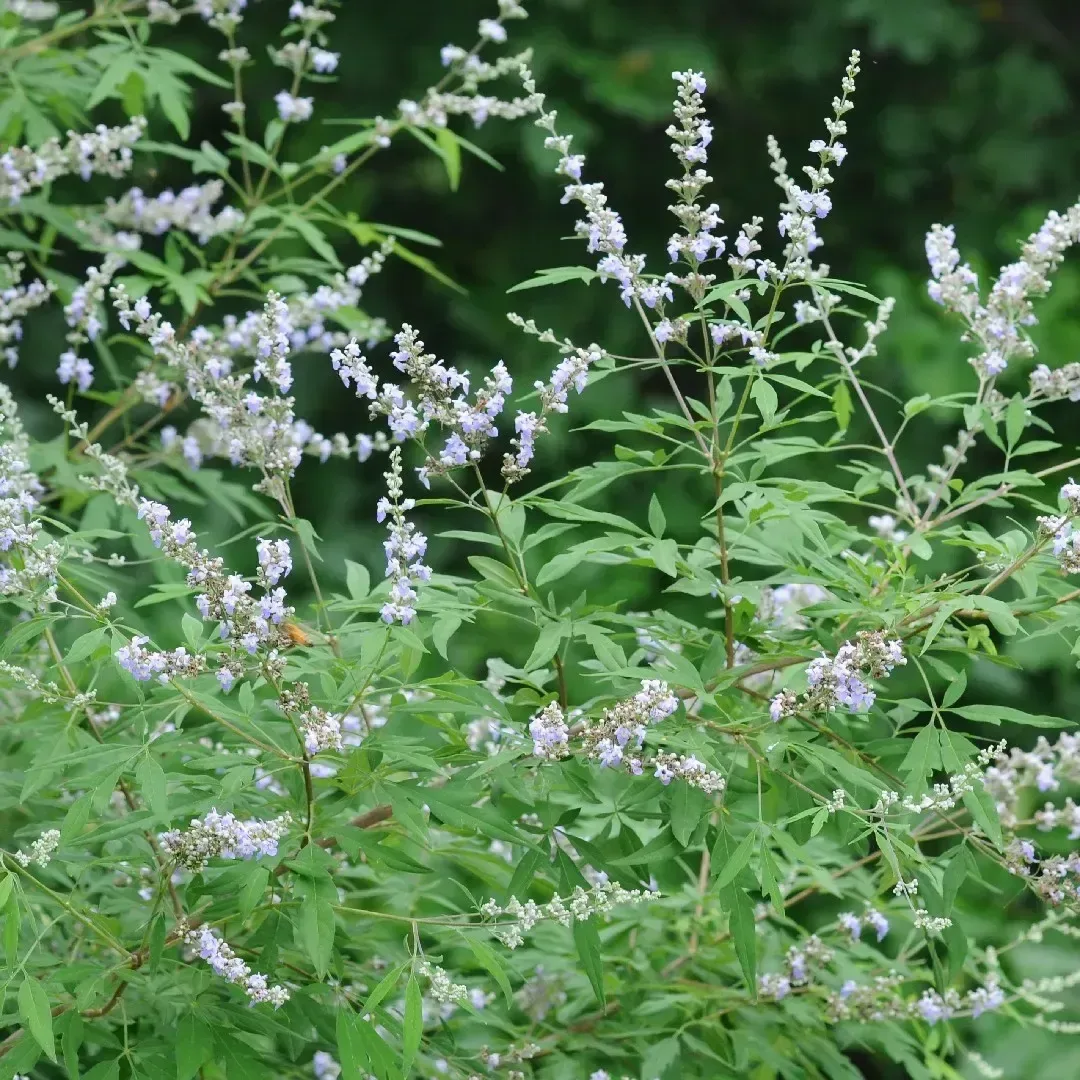
નગોડ
Vitex negundo
Chinese chaste tree भूतवेशी
Native
Commonly known as cut-leaf chaste tree, five-leaved chaste tree, horseshoe vitex, Indian privet.
Habit
Shrub
Origin
Native
Flowering
Winter, Summer, Monsoon
Edible
Yes
No specific wildlife-relationship data recorded for this species.
A well-known and important element of traditional medicine across India, used under the Sanskrit name Nirgundi.
- Nearly the entire plant is used medicinally, though the leaves see the most use.
- Warmed fresh leaves, tied as a poultice or used in a steam bath, are a classic home remedy for swollen joints, rheumatism, and muscular sprains.
- Leaf extracts work as an expectorant for congestion, chronic cough, asthma, and bronchitis.
- Perhaps its most useful everyday trick: burning dried leaves produces smoke that acts as an effective, non-toxic mosquito repellent, and a pillow stuffed with fresh leaves is a traditional rural remedy for headaches and sinus pain.
- Beyond medicine, it's valued for preventing soil erosion, reclaiming flood-affected forest land, and building living barriers to conserve soil moisture or support earth and stone embankments.
These uses are documented for information only and are not medical advice. Always verify the species and the plant part before use.
Native to East and South Africa and Asia.