-
Neil Naik
-
Plantuse
-
Pradeep Vijay
ઉંબરો
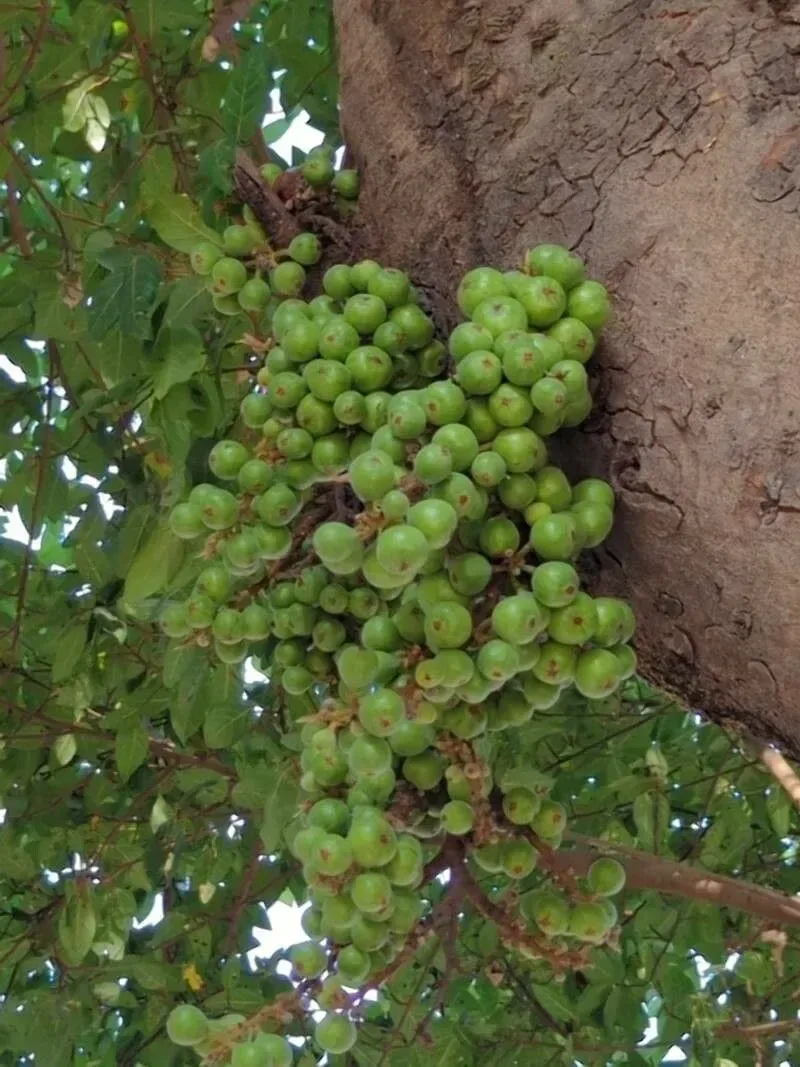
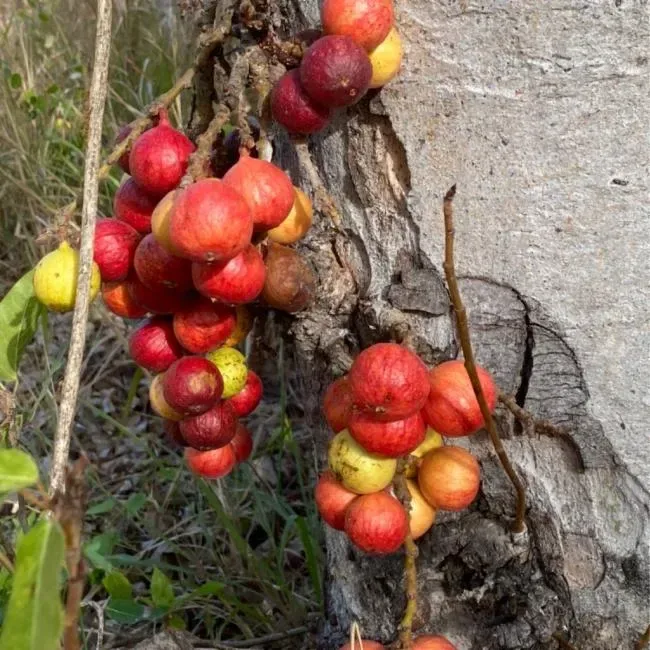
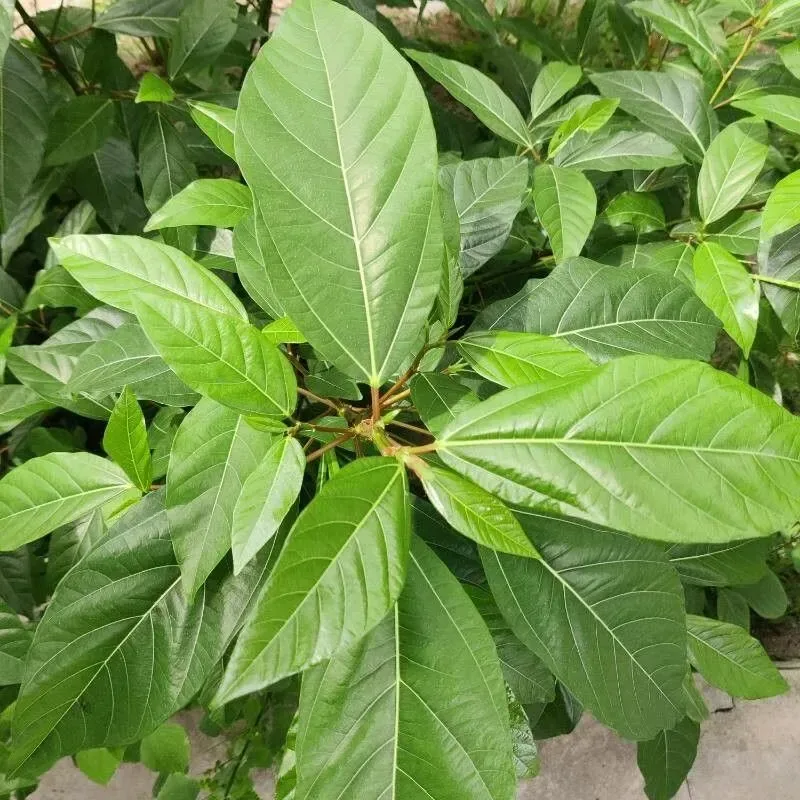
Ficus racemosa
Cluster Fig
Native
Commonly known as Country Fig, Gular Fig, Goolar, Umardo.
Entirely dependent on a single specialised fig-wasp species for pollination.
- Can be grown for years in a large container (30-50 litres) with excellent drainage, given maximum light and appropriate warmth, many tropical fig species make attractive indoor plants even without fruiting.
- Use a quality potting mix with added perlite, and repot every 1-2 years or top-dress annually with fresh compost.
- It needs the brightest position available, a south-facing window, conservatory, or greenhouse, along with warmth (minimum 15°C) and humidity, misting or a humidity tray helps, and supplemental grow lights can help through winter.
Ayurveda describes Umbar (as it's called there) as cold, fertility-promoting, and astringent, with different properties attributed to raw, medium-ripe, and fully ripe fruit, ranging from thirst-relieving and bile-balancing to treating dysentery and fainting.
- Fruit is eaten raw or cooked, used in preserves and side dishes, or dried and ground into a flour eaten with sugar and milk; roasted fruit powder makes a valued breakfast food.
- In times of scarcity, unripe fruit is pounded with flour into cakes.
- Leaves and young shoots are eaten as a vegetable, and cutting the roots yields a liquid that can be drunk as water.
- Leaves treat diarrhoea; bark and fruit, both astringent, treat blood in urine, heavy menstrual bleeding, and coughing blood, and sugar-filled fruit is considered especially cooling.
- A tonic fluid exuded from cut roots, drunk over several days, is considered a powerful restorative, and root sap is a well-known Mumbai remedy for mumps and glandular swelling.
- Root is also chewed for tonsillitis.
These uses are documented for information only and are not medical advice. Always verify the species and the plant part before use.
Southern China, the Indian subcontinent, Myanmar, Thailand, Vietnam, Malaysia, Indonesia, New Guinea, and Australia, common along riverbanks in open, deciduous, lowland forest.