-
Solène Lise
-
Jean Salvadori
-
Delondiny Alias
ઘુઘરા
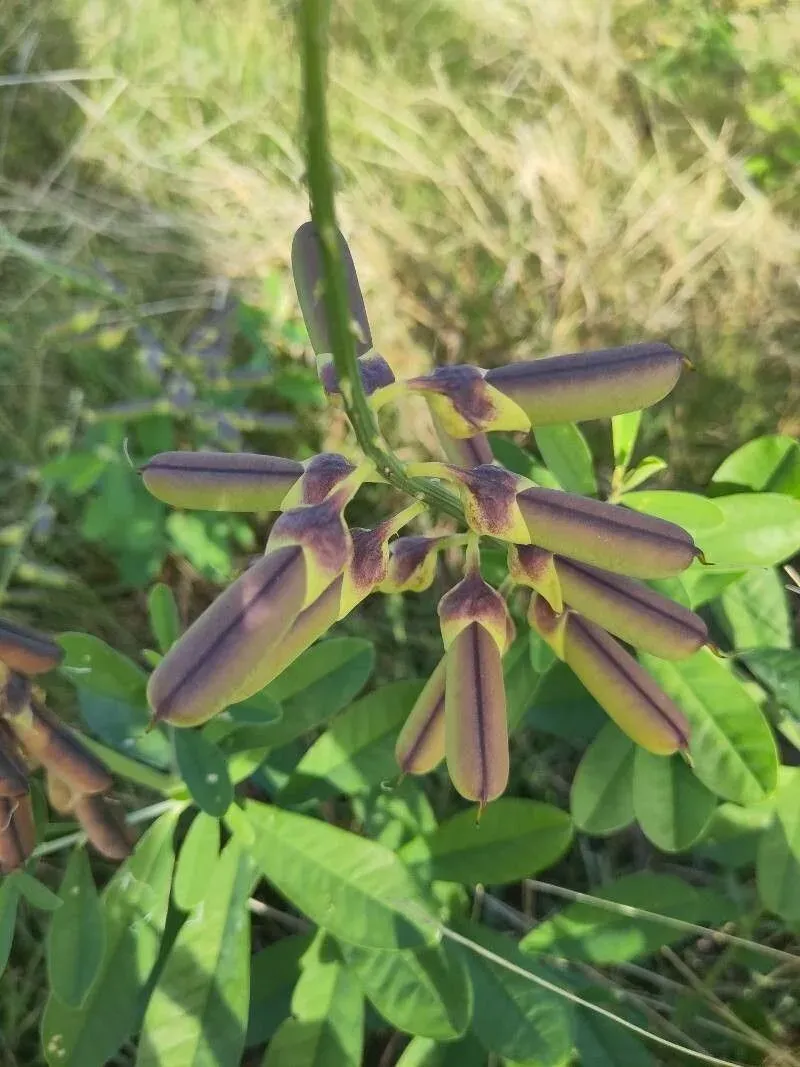
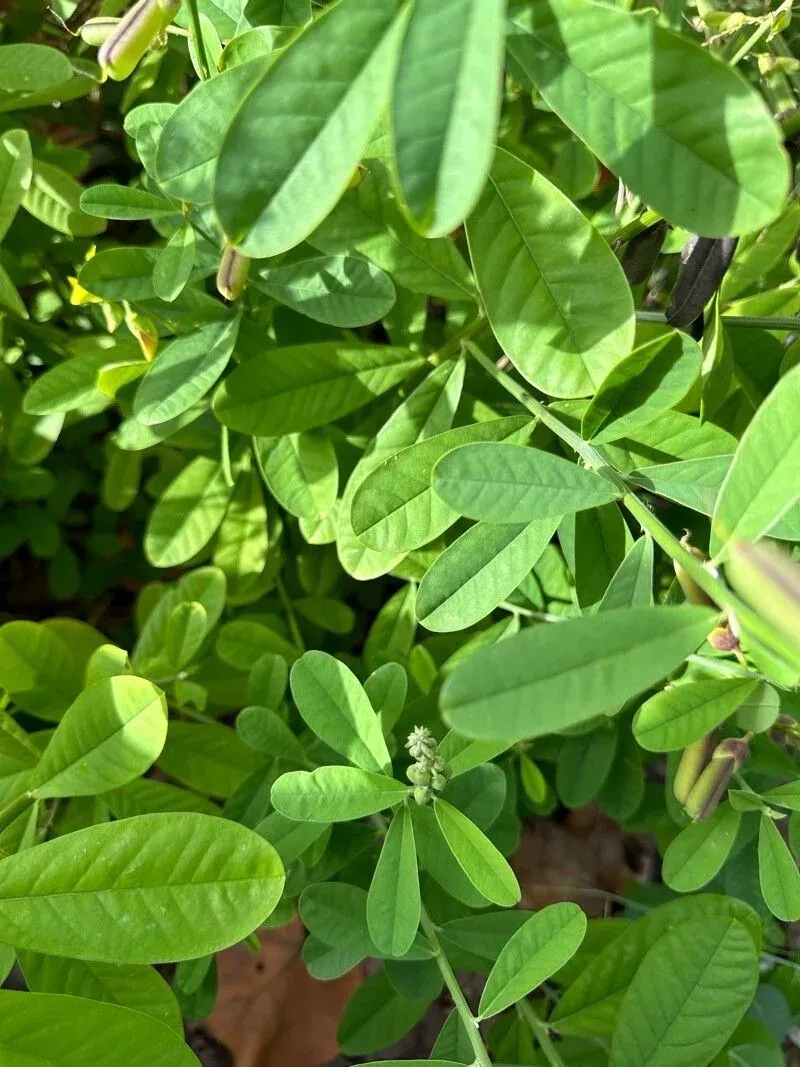
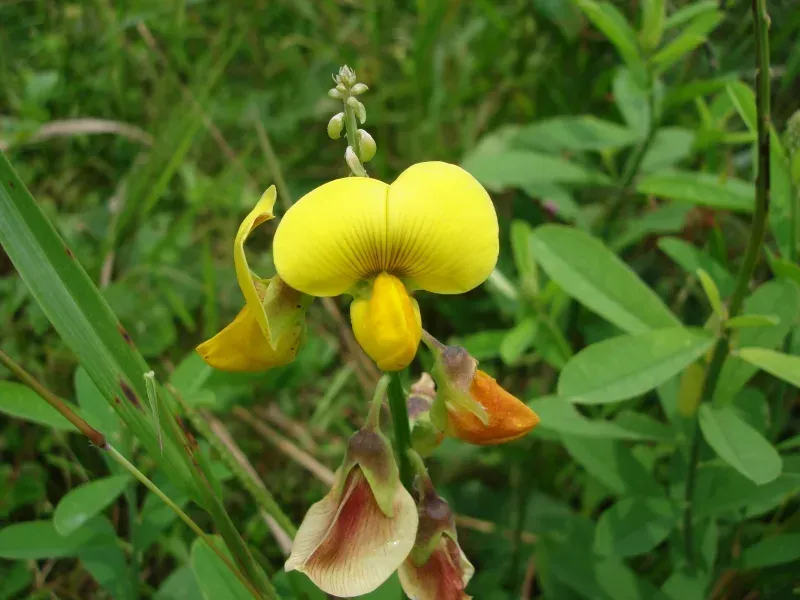
Crotalaria retusa
Common Rattle Pod
Native
Commonly known as Big Yellow Pupbush, Cascabelillo, Large Yellow Rattlebox, Rattlebox, Rattlewee, Wedge-Leaf Rattlepod, Yellow Lupin.
Habit
Herb
Origin
Native
Flowering
Summer, Monsoon
Edible
Yes
Sun
Full sun, tolerates shade
Drainage
Needs to drain well
Started from
Seed, Cuttings
No specific wildlife-relationship data recorded for this species.
- Sow directly in situ; pre-soaking seed for 12 hours in warm water speeds up germination.
- Grows best in full sun (tolerating partial shade) in well-drained, organically rich soil, watered regularly through the growing season and more often in hot weather.
- In frost-prone areas, cover plants overnight until spring.
- To propagate from cuttings: take new shoots in early spring, remove about half an inch of bark from the stem, cut down to just above a node, and place the cut end in moist sand or perlite kept submerged in water, covered with clear plastic and with the water changed daily.
- After two weeks, transplant rooted cuttings into individual pots.
- Fertiliser generally isn't needed unless foliage yellows or growth looks poor.
No cultural-significance data recorded for this species.
- Flowers and leaves, low in alkaloid content, are eaten as a sweet-tasting vegetable, and roasted, dehulled seeds are eaten in Vietnam (with appropriate caution, given the plant's known toxicity).
- Roots treat coughing up blood; the plant more broadly addresses cough, dyspepsia, fever, cardiac complaints, diarrhoea, scabies, and impetigo, and an infusion is used to bathe children against skin infection and thrush.
- Seeds, eaten raw, are used as an analgesic for scorpion stings, and powdered seeds mixed with milk are traditionally taken to build strength.
These uses are documented for information only and are not medical advice. Always verify the species and the plant part before use.
Pantropical, in coastal grassland, along rivers, and in open deciduous forest, up to 1,500m.