-
Alyssa Heubel
-
Dominique Mottin
-
Pedro Sainz Olalla
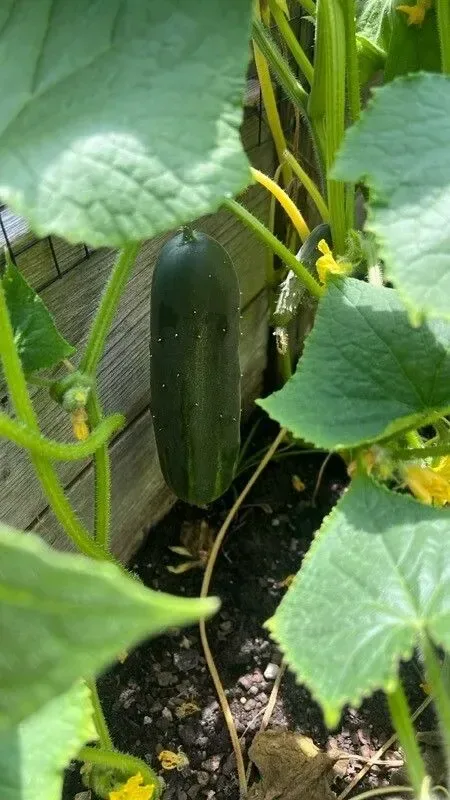
કાકડી
Cucumis sativus
Cucumber खीरा
Native Naturalised
Habit
Vegetables
Origin
Native, Naturalised
Flowering
Summer, Monsoon
Edible
Yes
Water
Steady moisture
Drainage
Needs to drain well
Soil
Rich in organic matter
Started from
Seed
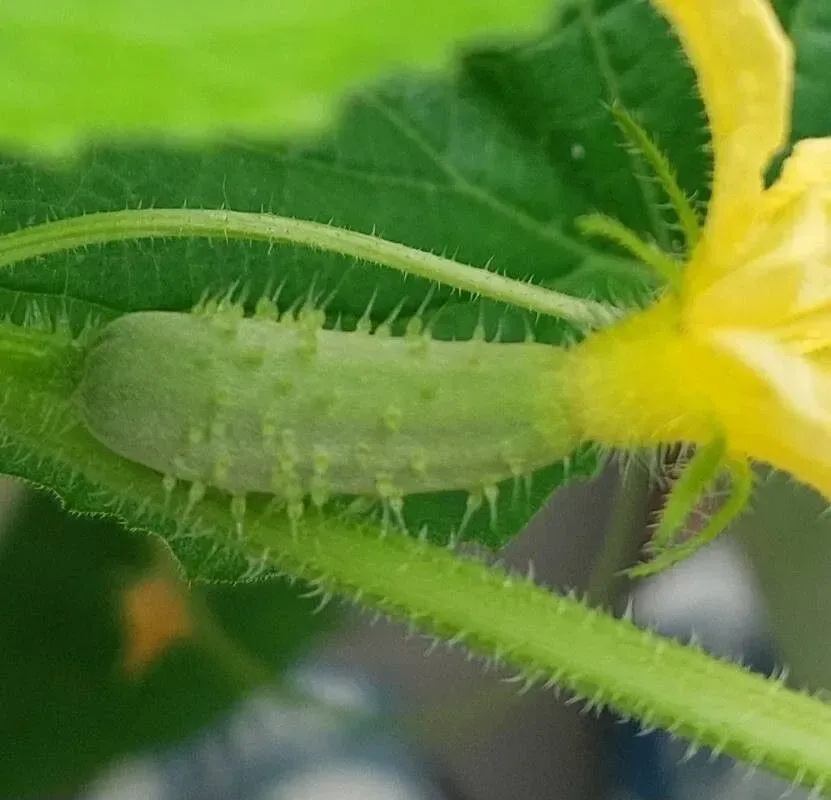
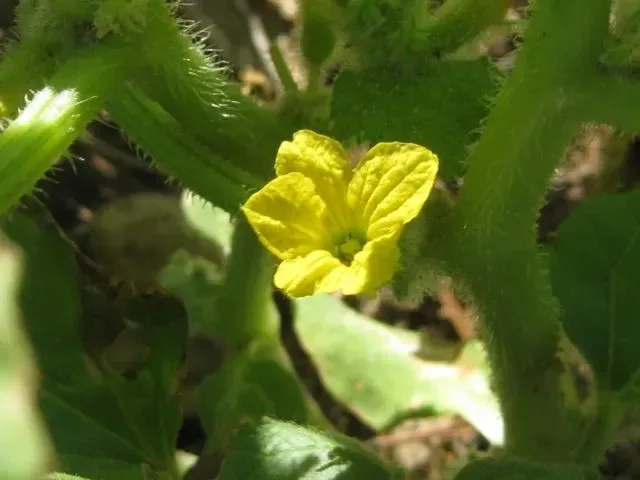
Yellow flowers attract bees and other pollinators; flowers and fruit interact with insects and other small wildlife.
- Prepare a sandy, manure-rich soil (2 parts sand, 2 parts manure, 1 part soil) in a pot at least 15 inches deep, and water well.
- Keep the pot somewhere it gets full sunlight.
- Sow 2 seeds per pot, spaced 12-18 inches apart, half an inch below the soil.
- Keep soil moist, sprouting happens in about a week.
- Once the plant is about 15 inches tall, put a strong stick in the soil and tie the plant to it for support, either tying a rope to the stick or setting up a trellis for it to climb.
- Keep soil lightly moist throughout, sprinkling 2-3 handfuls of manure on the soil every 4 weeks.
- The plant produces both male and female yellow flowers, avoid pesticides so bees can freely cross-pollinate them.
- If pests appear, spray 5ml of neem oil mixed into mild soapy water in the evening.
- Fruit starts forming within about 2 months.
- A family can grow 4 plants to get enough juicy kakdis.
A common summer vegetable in Indian homes, traditionally valued for its cooling, watery fruit.
- Used in fresh salads, raita, pickles, juices, and cooked dishes.
These uses are documented for information only and are not medical advice. Always verify the species and the plant part before use.
Widely cultivated across India, including Gujarat.