-
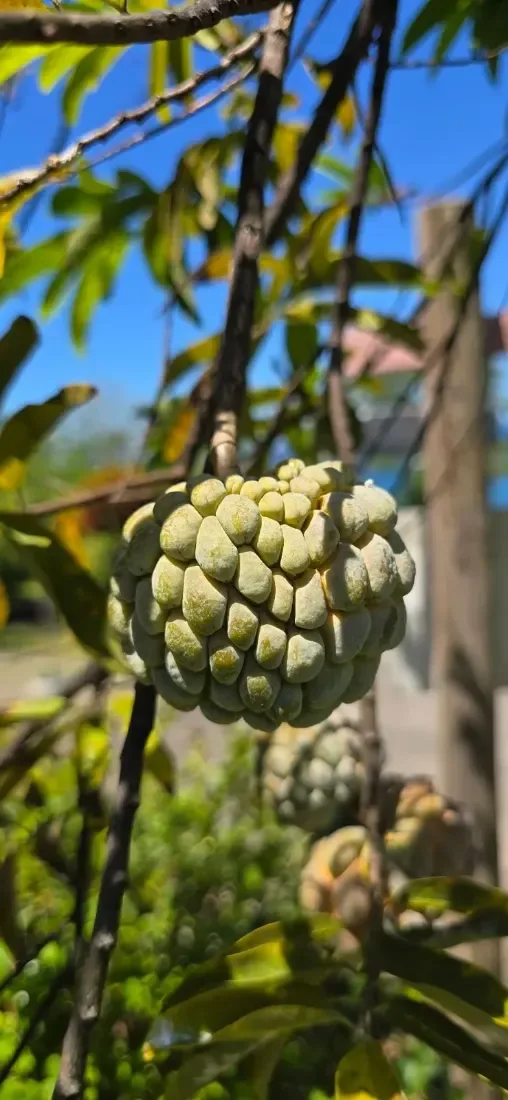
André CLOUP
-
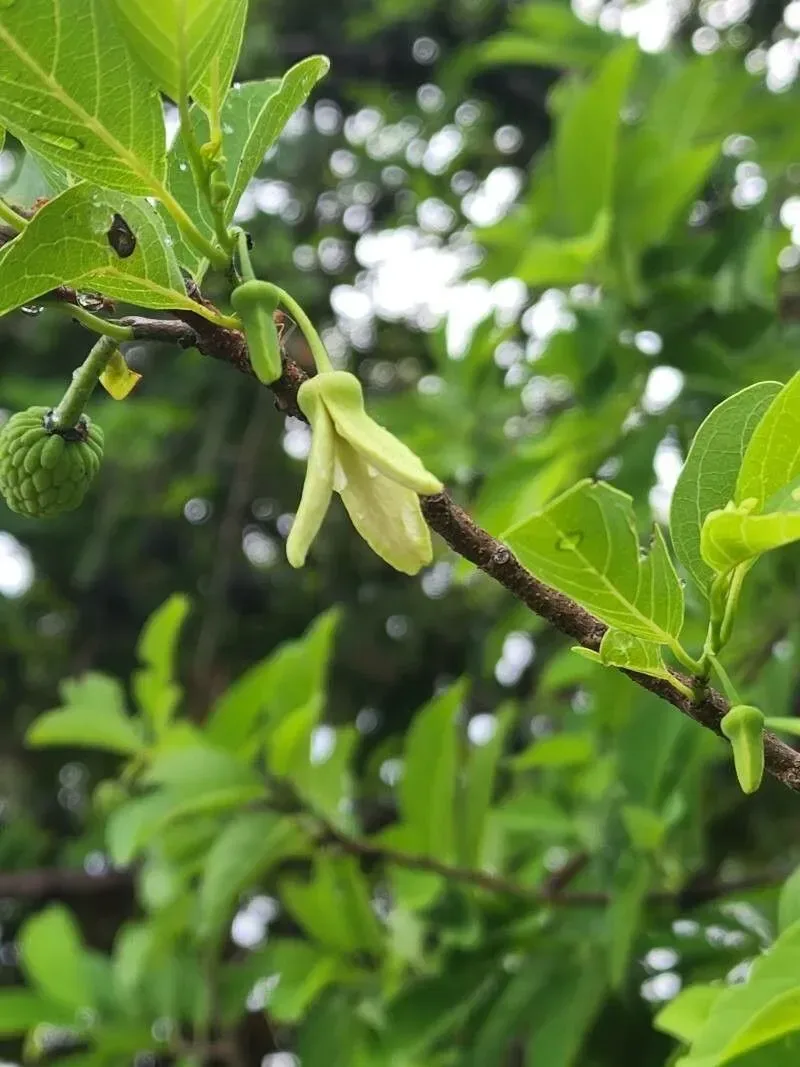
jian shi
-
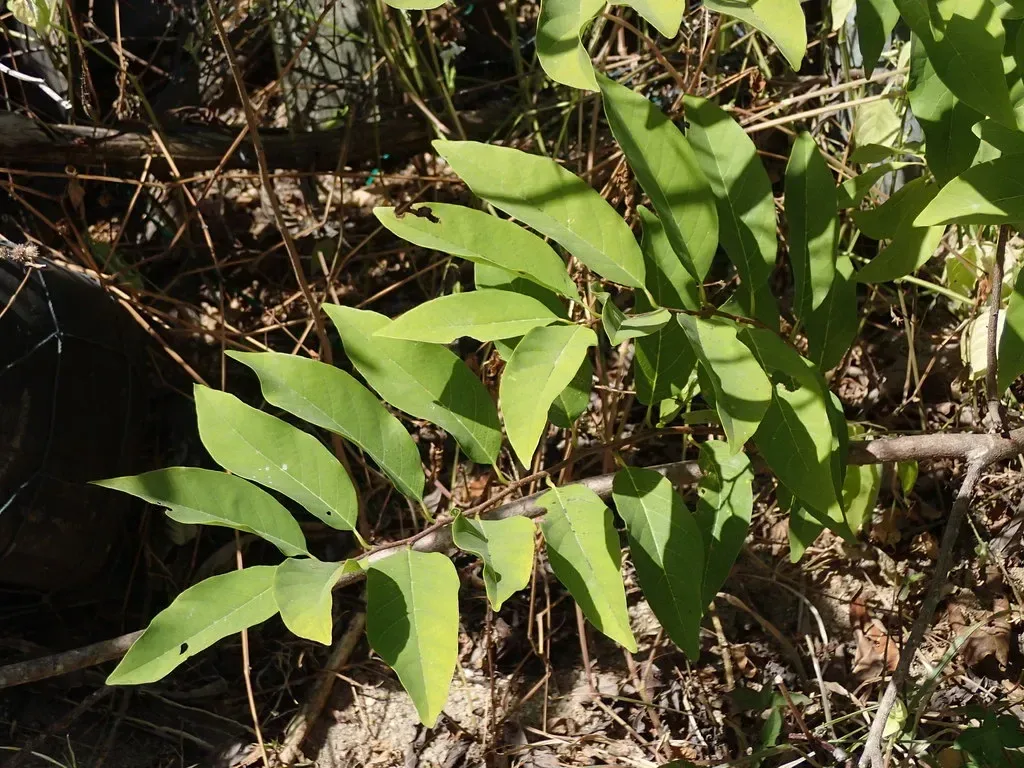
plantuse.org
સીતાફળ
Annona squamosa
Custard Apple सीताफल
Native
Commonly known as Sugar apple, Sweet sop, Sweetsop-Anon, Araticum.
Seed or sapling available
Habit
Tree, Fruits, Shrub
Origin
Native
Flowering
Winter
Edible
Yes
Sourcing
Available
Water
Steady moisture · drought tolerant
Drainage
Needs to drain well
Soil
Loam, sandy, rocky
Soil pH
6
Started from
Seed, Cuttings, Layering, Grafting
Germinates
2–4 weeks
No specific wildlife-relationship data recorded for this species.
- From seed: sow in individual pots no deeper than 2cm at 21°C; seeds usually breed true to type and germinate within 2-4 weeks, with seedlings ready to plant out after 6 months.
- The hard seedcoat benefits from scarification first: pour a small amount of near-boiling water over the seeds (careful not to cook them) and soak for 12-24 hours in warm water.
- If they haven't swollen after that, nick the seedcoat carefully without damaging the embryo and soak another 12 hours before sowing.
- Other methods: semi-ripe cuttings; budding at the start of the growing season when sap flows freely (cleft-grafting is the more common technique); or air-layering.
No cultural-significance data recorded for this species yet.
- The fruit is eaten fresh or turned into sherbet, ice cream, and jellies.
- Beyond the fruit, nearly every part has a traditional use: crushed leaves treat ulcers, a leaf-and-oil poultice treats scalp disease, leaves are tucked under children's pillows to help them sleep through the night, and powdered seeds work as a vermifuge.
- Research has found anticancer activity in plant extracts.
These uses are documented for information only and are not medical advice. Always verify the species and the plant part before use.
In Gujarat, systematically cultivated in Bhavnagar, Ahmedabad, Kheda, Junagadh, and Panchmahal, and grows naturally in forests around Junagadh, Sabarkantha, Panchmahal, Bharuch, and Vadodara.