Herwig Mees
બુઈ બૂર
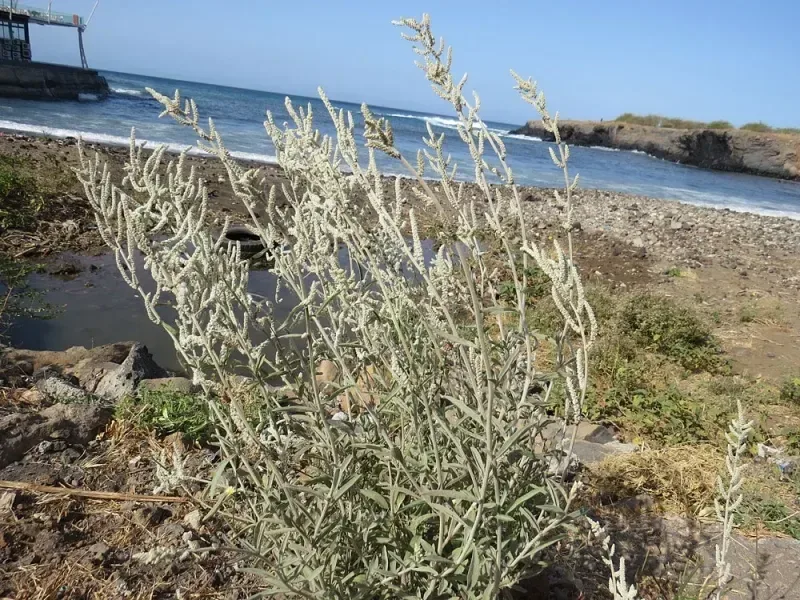
Aerva javanica
Desert cotton सफेद बूई
Native
Commonly known as Gorakhganjo, ગોરખગાંજો.
No specific wildlife-relationship data recorded for this species.
- Grows to 30-90cm tall and 30-60cm wide.
- Needs full sun to partial shade (too much shade makes it leggy) and warm temperatures (16-29°C); it isn't frost tolerant.
- Water regularly, especially during the growing season, keeping soil moist but well-drained, overwatering invites root rot.
- Fertilise every 2-3 weeks during the growing season with a balanced fertiliser, and prune regularly to maintain shape and encourage bushy growth, removing dead or damaged stems.
- Watch for spider mites, aphids, whiteflies, and fungal issues like powdery mildew.
- It's considered relatively easy to grow, best suited to spring and summer growth, and not suitable for indoor cultivation.
Referenced in the classical Ayurvedic text Bhavaprakasha Nighantu under the Sanskrit name Bhadra, tied to its healing reputation. Tribal healers in Rajasthan and Gujarat historically called it Bui Patta and used it in wound dressings, travellers reportedly packed the leaves in cloth for long journeys. In Oman and Saudi Arabia, Bedouin communities used it as cooling camel fodder during peak summer heat, and Unani medicine lists it among cooling herbs for urinary inflammation. A decoction of its flowers has traditionally treated burning urination and kidney stones.
- Its roots are traditionally used as chew-sticks (toothbrushes), and the woolly flower spikes are used to stuff pillows.
These uses are documented for information only and are not medical advice. Always verify the species and the plant part before use.
Drier parts of northern and eastern Africa, through Arabia to India and Myanmar, plus the Old World tropics and Cape Verde Islands, typically in dry thorn-bushland up to 1,900m.