-
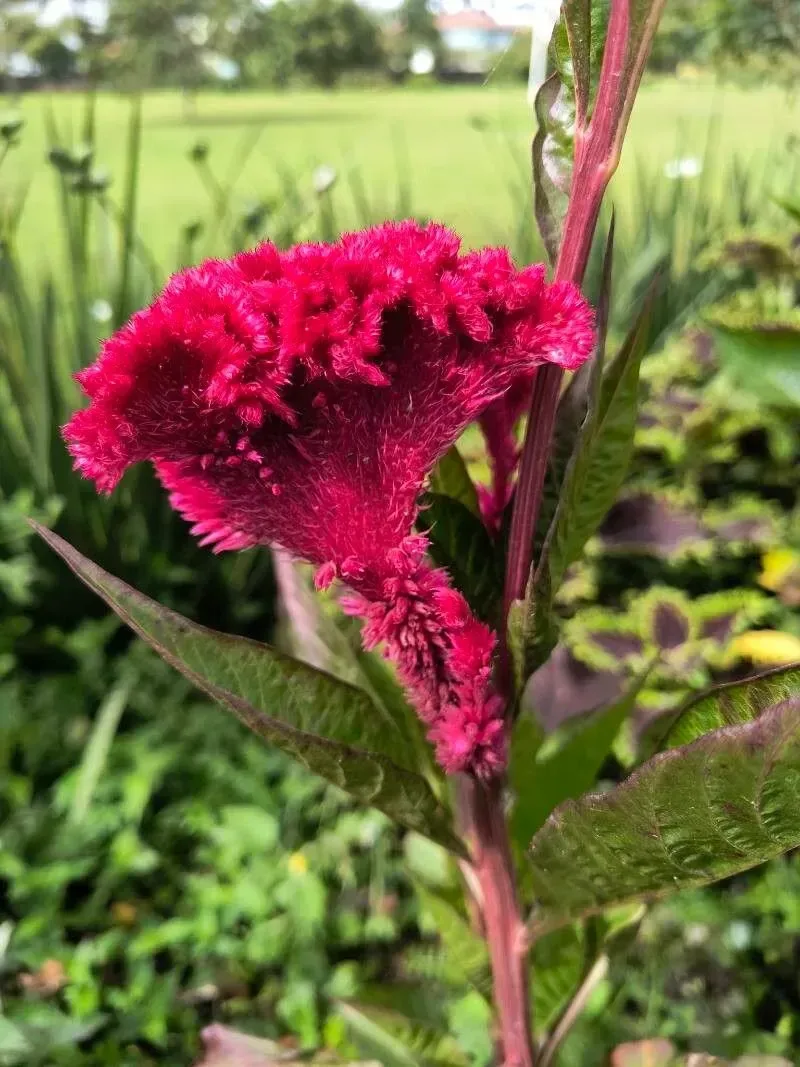
Adejario Botelho
-
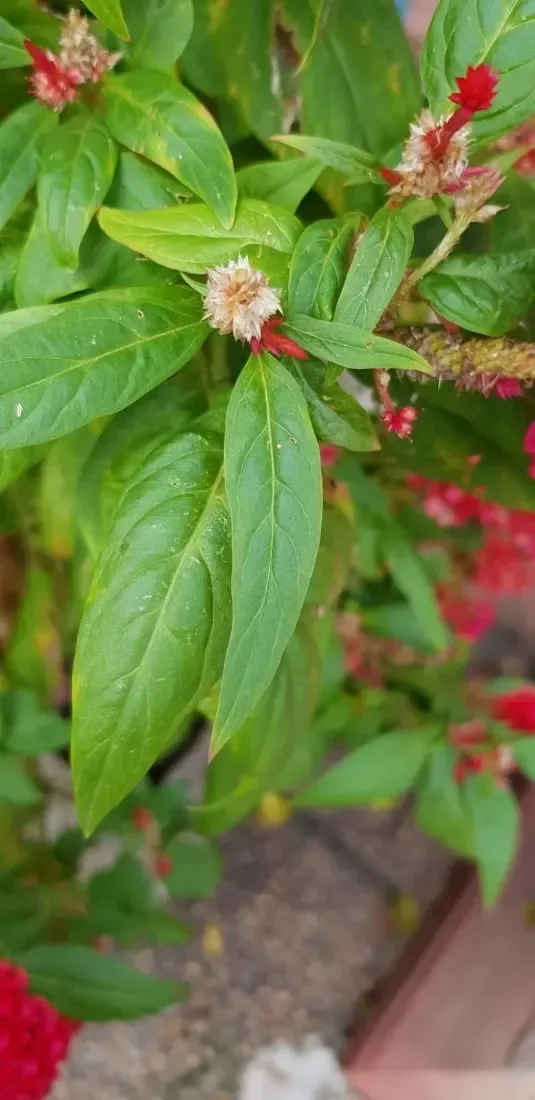
HugoFara
-
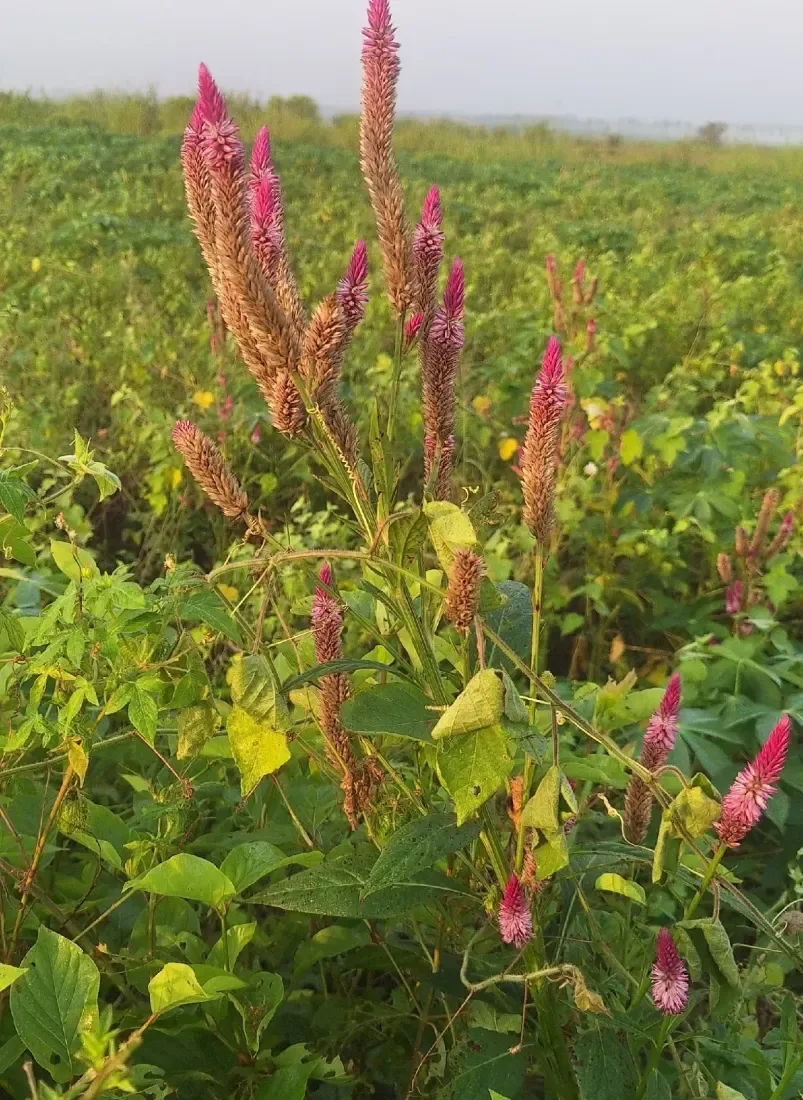
Sadam TORO
મખમલી
Celosia cristata
Flamingo Feather Flower
Native
Commonly known as Quail Grass, Lalmurga, Cockscomb Crested, Morshikha, Plumose Cock's comb, Woolflower, મોરશિખા.
No specific wildlife-relationship data recorded for this species.
- Sow directly in situ or start indoors about 6 weeks before the last expected frost (or direct sow in spring once frost risk has passed).
- Use a standard potting mix, sow about 1/8 inch deep and 8 inches apart, and keep soil warm (70-80°F) and moist, a heat mat helps if needed.
- Germination usually takes 1-2 weeks.
- Celosia dislikes root disturbance, so transplant it just once, either into a garden bed or a well-draining container, spaced at least 8 inches from its neighbours.
Ayurveda considers it wholesome during the rainy season and beneficial in pregnancy, prescribed against urinary astringency, bile, and phlegm imbalances.
- Leaves and young shoots are cooked and eaten as a vegetable, keeping a pleasant green colour and mild flavour if not overcooked; an edible oil comes from the seed.
- Flowers and seeds are astringent and used for bloody stool, uterine bleeding, and dysentery, and show real antiparasitic activity, a 20% extract has been shown to kill Trichomonas parasites within 15 minutes.
- Seed is also antibacterial and used for bloodshot eyes, blurred vision, hypertension, and (widely, in India) diabetes, though it shouldn't be used by people with glaucoma since it dilates the pupils.
- Leaves treat infected sores and wounds; roots address colic, gonorrhoea, and eczema; the whole plant is even used as a snakebite antidote.
These uses are documented for information only and are not medical advice. Always verify the species and the plant part before use.
Widely grown in Africa, South America, and parts of Asia; considered a valuable natural resource in Malaysia. Found in the Himalayas up to 1,500m, flowering mainly in late monsoon and early winter.