-
Gunalan V
-
Plantuse
-
Plantuse
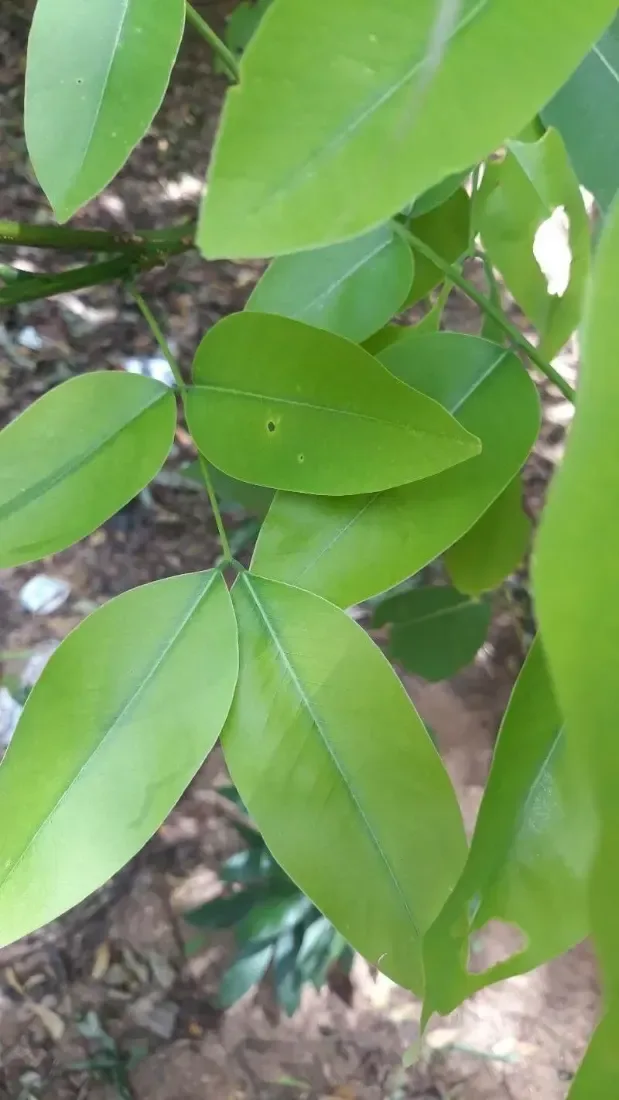
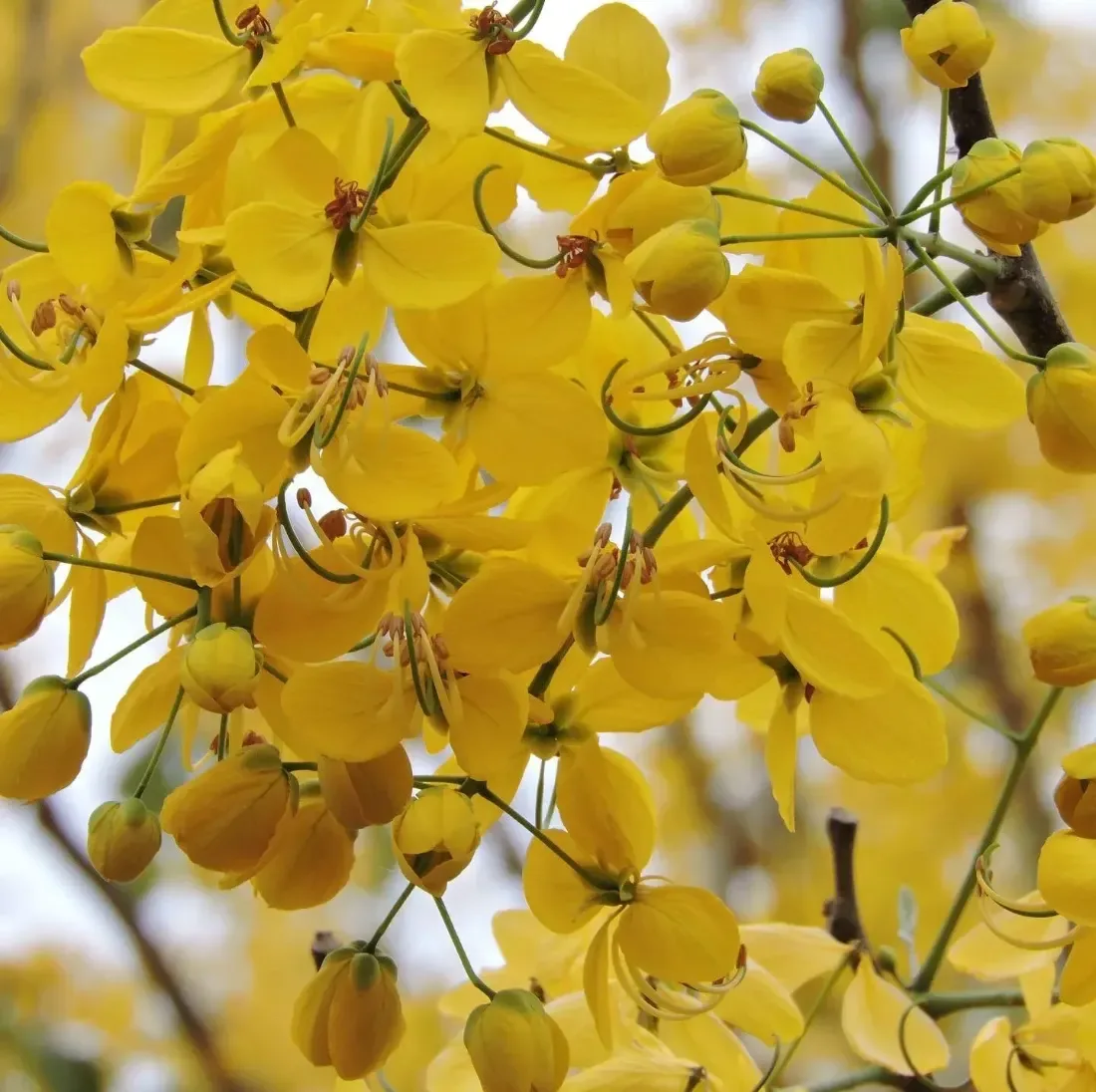
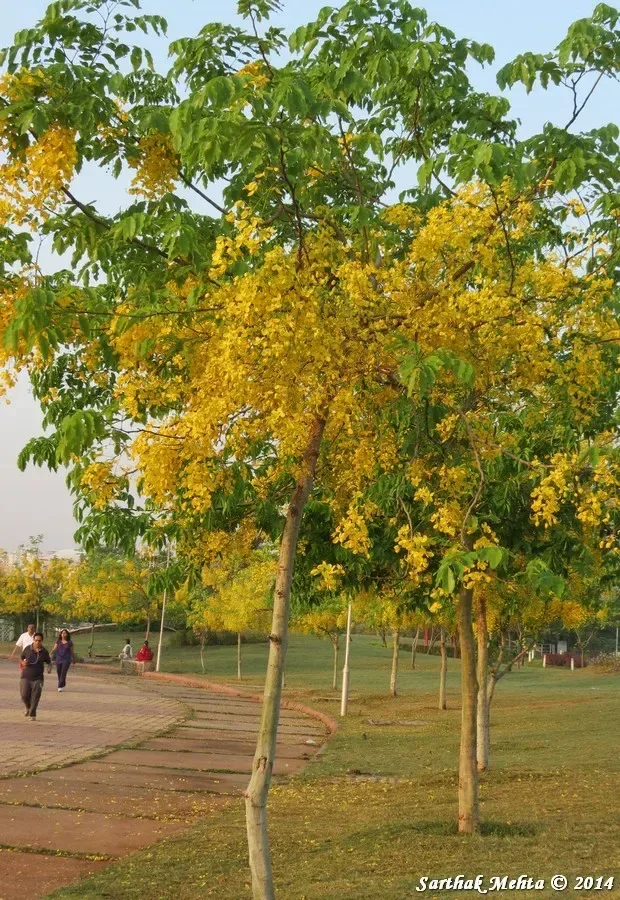
ગરમાળો
Cassia fistula
Golden shower tree अमलतास
Native
Commonly known as Indian Laburnum, Amaltas, Purging fistula, Fistula, Purging cassia, Garmalo.
No specific wildlife-relationship data recorded for this species.
- The hard seed coat needs scarification, either mechanically or with concentrated sulphuric acid for at least 45 minutes, or pre-soak for 12-24 hours in warm water.
- Sow in full light with plenty of water, the seed can triple in weight as it absorbs moisture, and germination follows within a few days.
- Direct sowing is common practice across Asia.
- Seed stores well over long periods without losing viability.
- Cuttings of half-ripe wood also work.
Ayurveda describes it as sweet, cooling, and laxative, used against colic, fever, dysentery, heart disease, worms, and urinary infections. It's traditionally grown in deciduous forests across India, frequently found in sal forests and, in South India, alongside sandalwood.
- That pod pulp, mildly laxative and mucilaginous, is one of Ayurveda's oldest and most reliable gentle laxatives, used even in modern paediatric medicine.
- Flowers are edible; bark is used in betel paste.
- Beyond the well-documented laxative use, research has found the seed powder effective against Entamoeba histolytica (the parasite behind amoebic dysentery), while bark extracts show antioxidant and anti-inflammatory activity, and leaf extracts show antibacterial and wound-healing effects.
- Bark and leaves are applied to skin problems and used to bandage broken bones and ulcers; a root decoction purifies wounds and treats fever.
These uses are documented for information only and are not medical advice. Always verify the species and the plant part before use.
India, Sri Lanka, Myanmar, Pakistan, the Malay Islands, and China, up to 1,220m in sub-Himalayan tracts and the outer Himalayas.