-
-
Plantuse
-
Sarah Grady
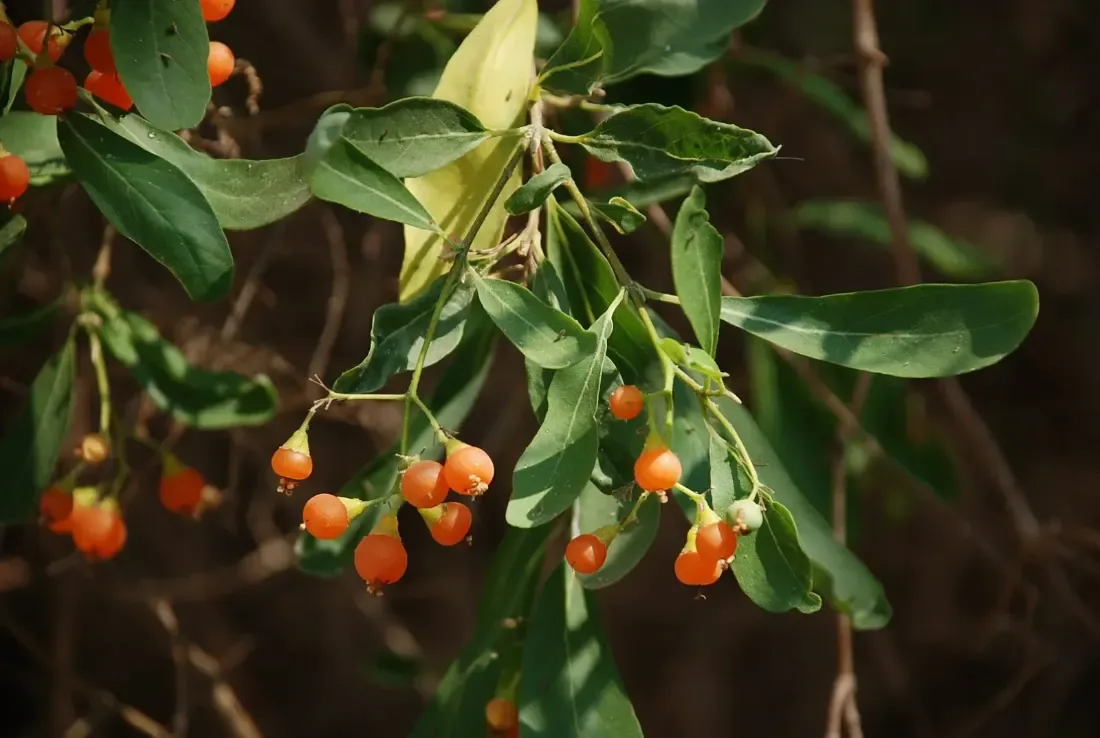
ગુંદી
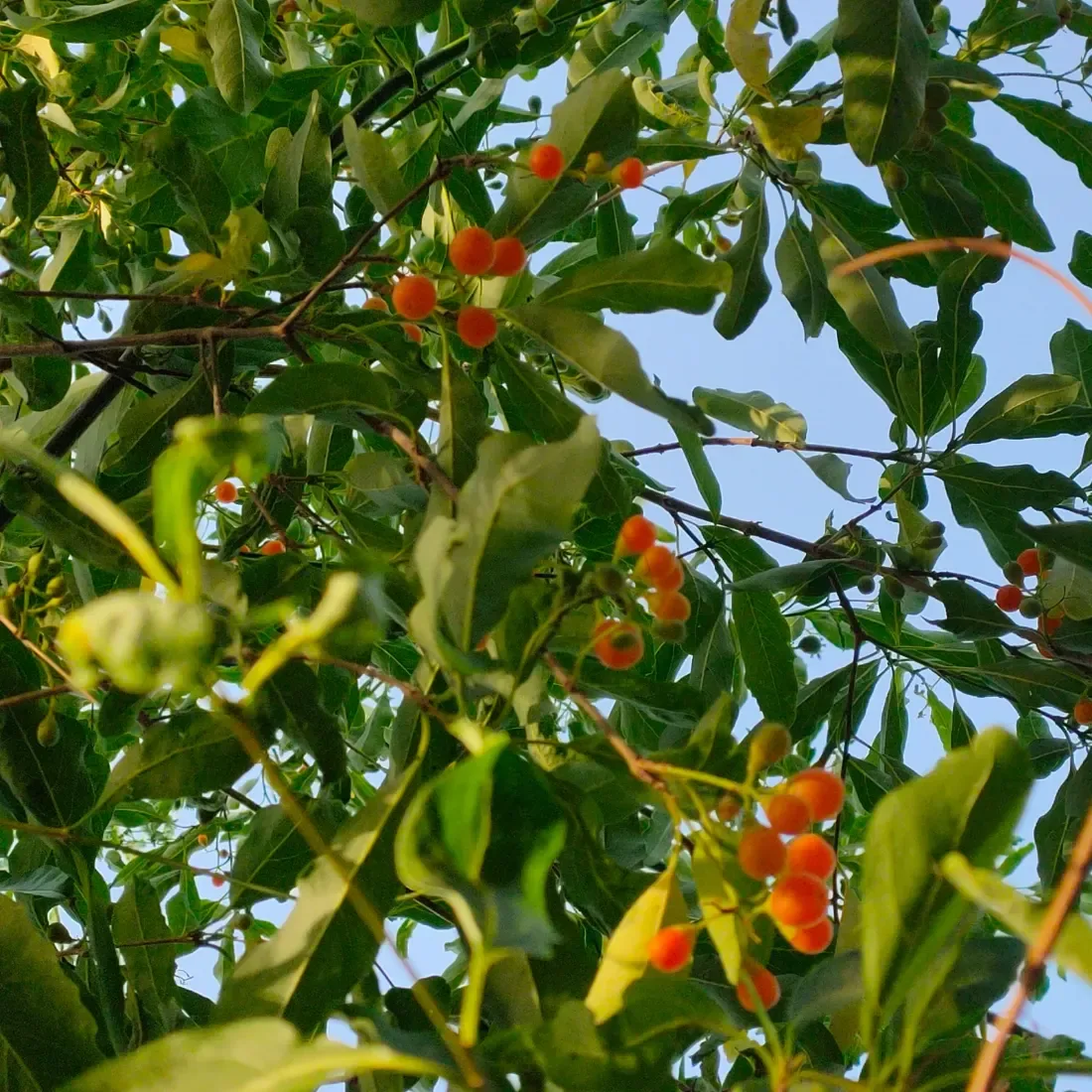
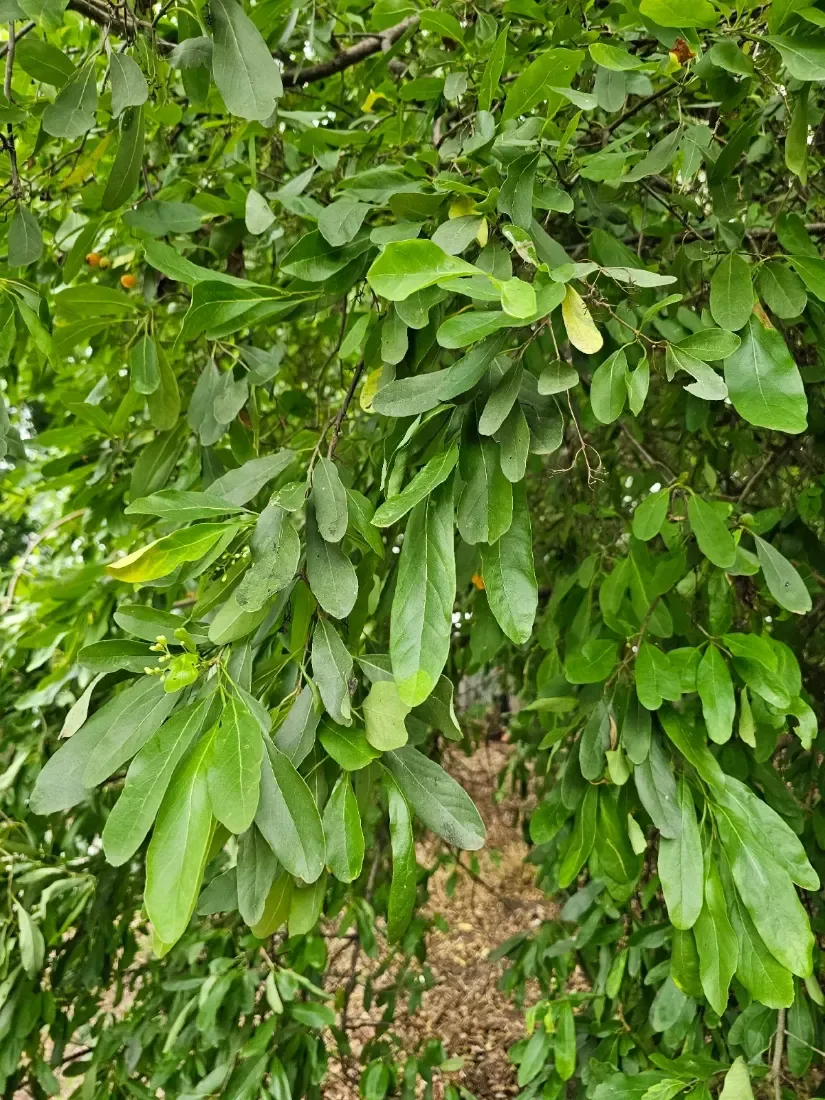
Cordia sinensis
Grey-Leaved Saucerberry
Native
Commonly known as Long-Leaved Saucerberry, Nani Gundi.
Habit
Tree
Origin
Native
Flowering
Summer, Monsoon
Edible
Yes
Sun
Full sun
Drainage
Needs to drain well
Soil
Rocky · takes salt
Started from
Seed
No specific wildlife-relationship data recorded for this species.
- For systematic planting, dig pits 60x60x60cm during summer, spaced 5x5 metres apart, and plant with 4-5 month old seedlings during the monsoon.
- Seed germination is naturally slow, but lightly abrading the seed coat can raise germination rates to as high as 80%.
No cultural-significance data recorded for this species.
- Fruit is eaten fresh, dried, or pickled, and is stirred into 'medida', a fermented grain porridge, and it's a good source of iron.
- A clear gum from the bark is eaten directly.
- Roots are used, in a specific traditional dose, to induce abortion, and a root-and-bark decoction treats stomach disorders and malaria.
- Bark is astringent and used as a gargle, and leaves are used, alone or blended with other medicinal plants, against fever.
These uses are documented for information only and are not medical advice. Always verify the species and the plant part before use.
Drier parts of tropical Africa, the Arabian Peninsula, the eastern Mediterranean, India, Sri Lanka, Pakistan, and North Africa, typically in grassland, open woodland, and riverbanks on sandy or rocky soils.