-
Boaz Loya
-
Shyam Phartyal
-
plantuse.org
-
farooqarham29
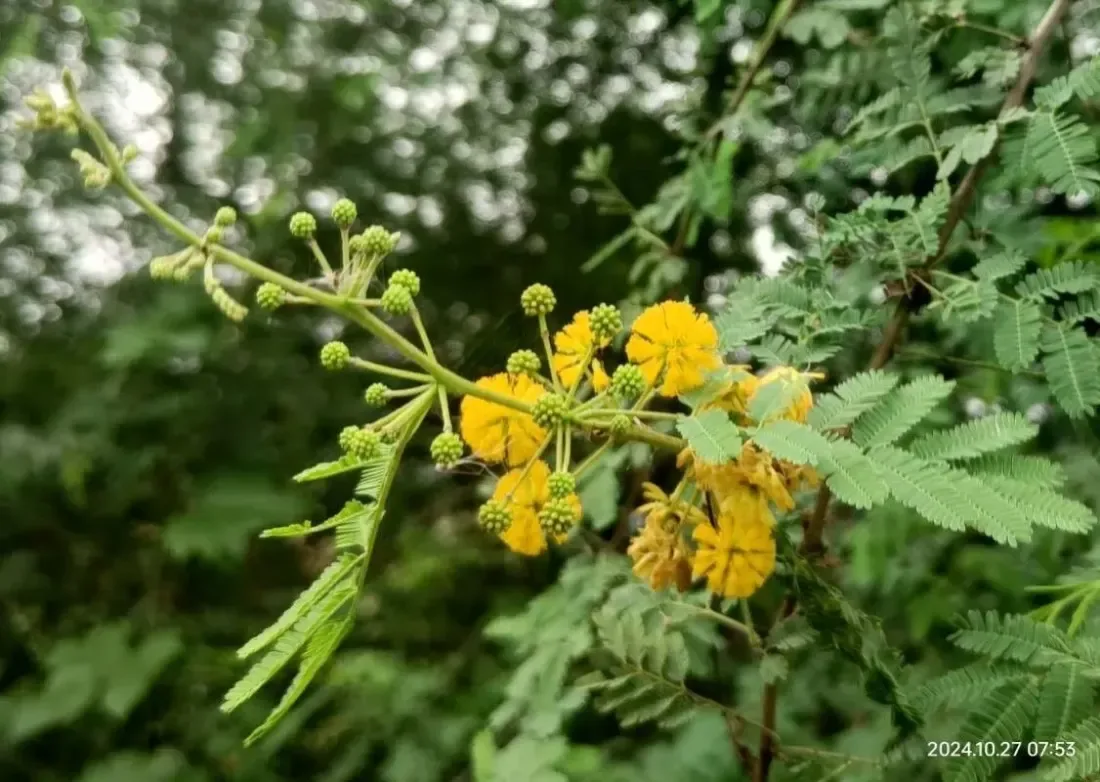
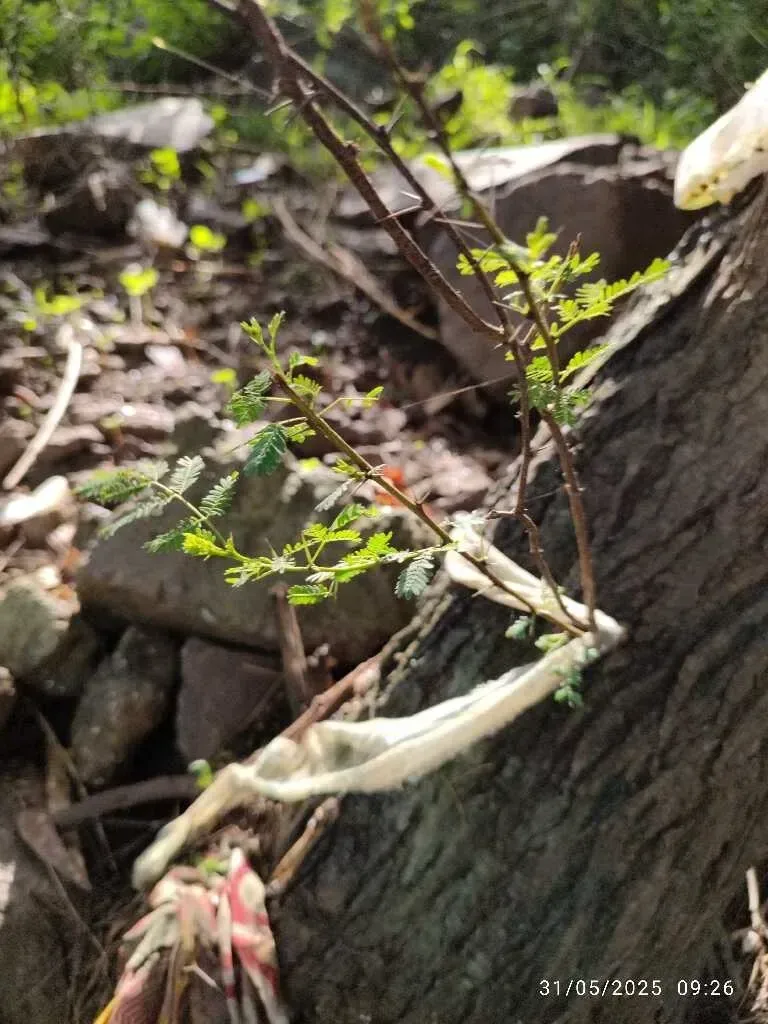
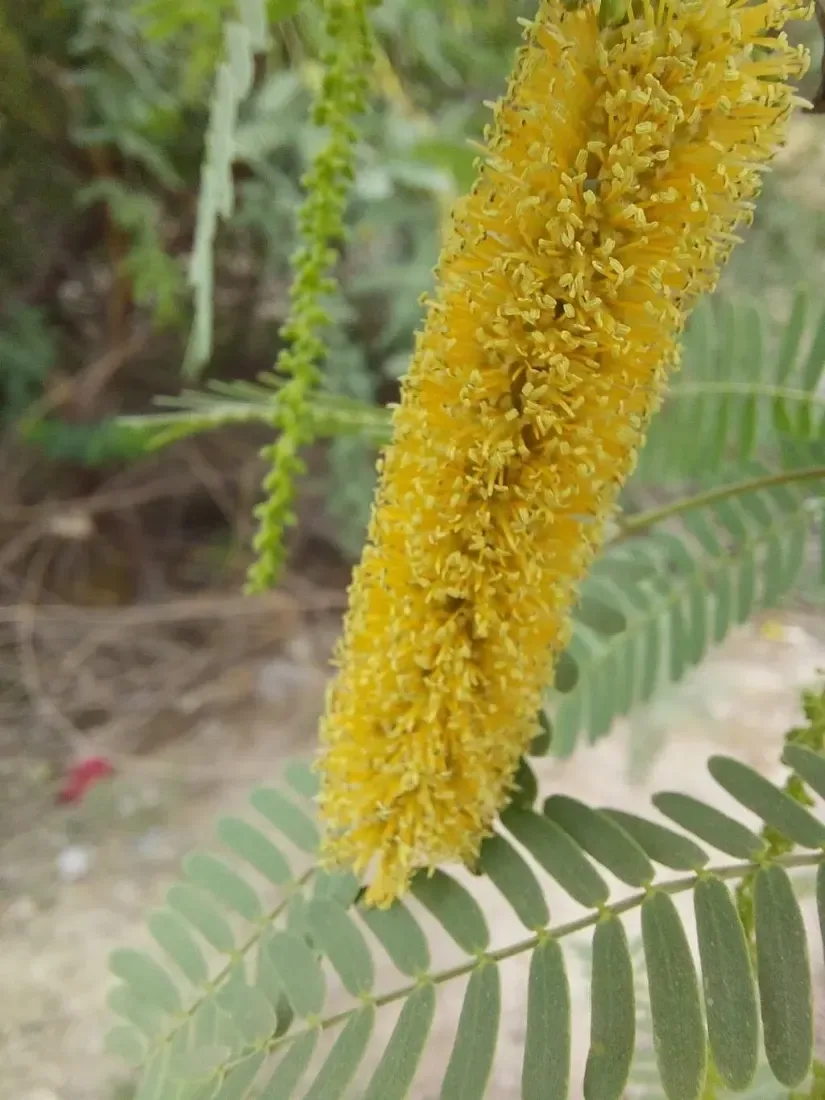
બાવળ
Acacia nilotica
Gum arabic tree बबूल
Native
Commonly known as Desi baval.
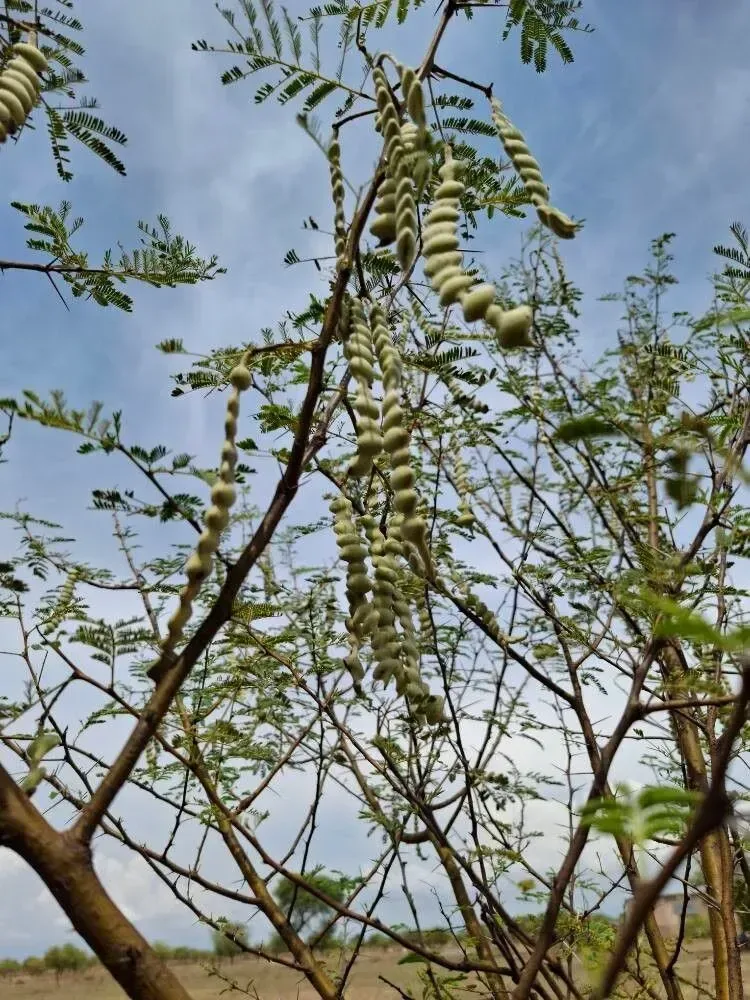
Sheep, goats, cows, and buffaloes eat the pods, helping disperse the seeds.
Ayurveda uses nearly every part: bark and pods for dysentery and diarrhoea, gum mixed with sugar for urinary inflammation, leaf extract for acidity, and crushed seeds with honey said to help heal fractured bones. Its thorny branches are traditionally used to build fence entrances.
- Its bark is the single most important tanning material in rural Indian tanneries from Haryana to West Bengal.
- The wood is strong and durable, used for cart parts, ploughs, tent pegs, boat handles, and railway buffers, and is a valued fuel.
- The gum is used in calico printing, silk and cotton sizing, papermaking, ice cream stabilising, and sweet-making (fried in ghee).
- In Gujarat, the young pods (called 'parda') are pickled and eaten as a vegetable, and feeding them to cattle is said to boost milk production.
These uses are documented for information only and are not medical advice. Always verify the species and the plant part before use.
Found across a huge swathe of Africa and Asia, from Algeria and Angola through to India, Iran, and beyond.