-
Aklilu Negussie
-
bpassah3072002
-
sidwanshu
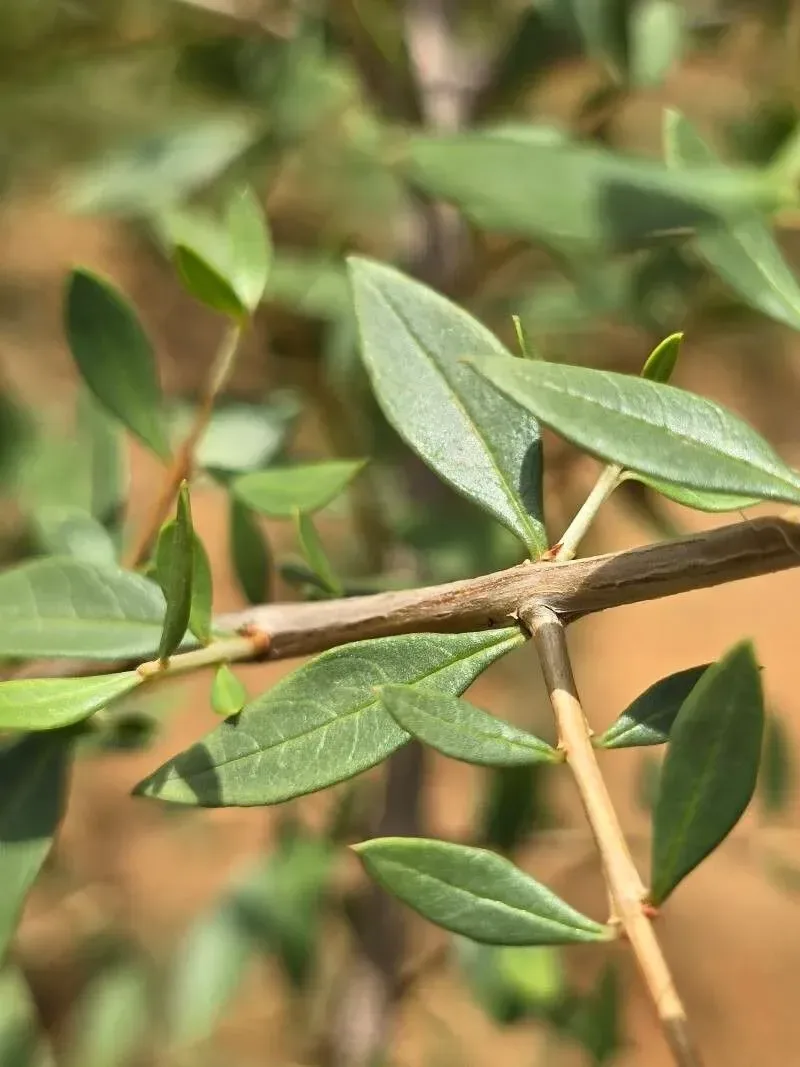
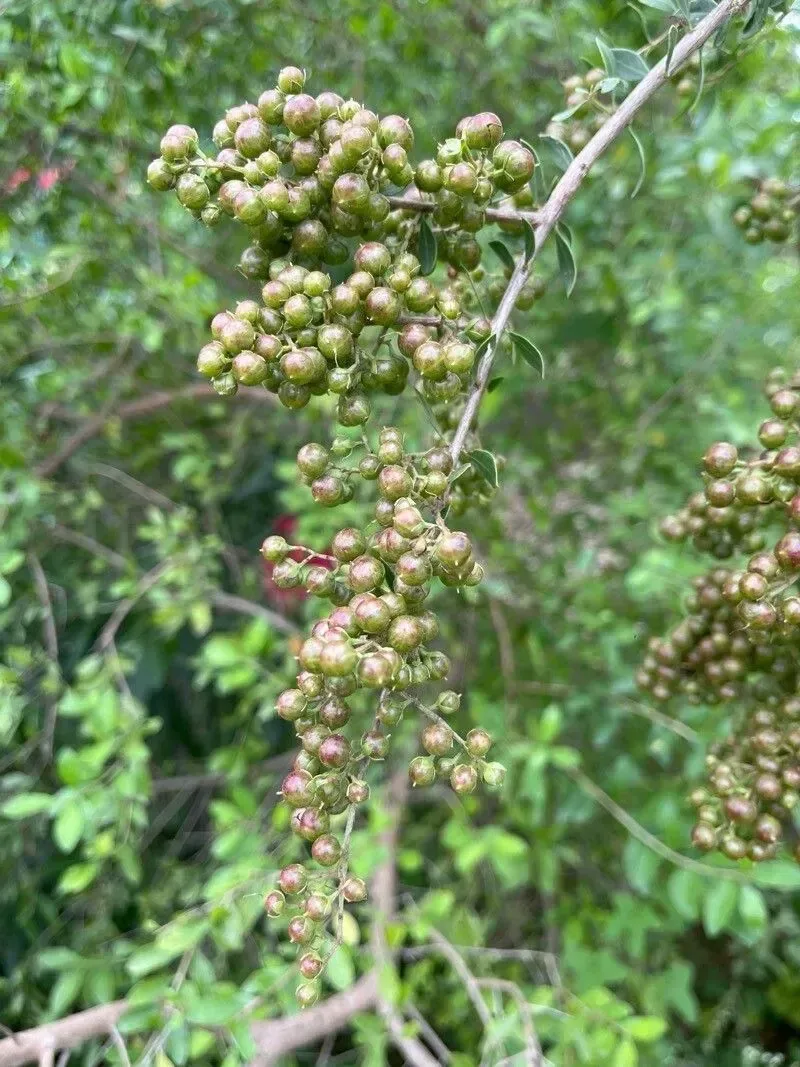
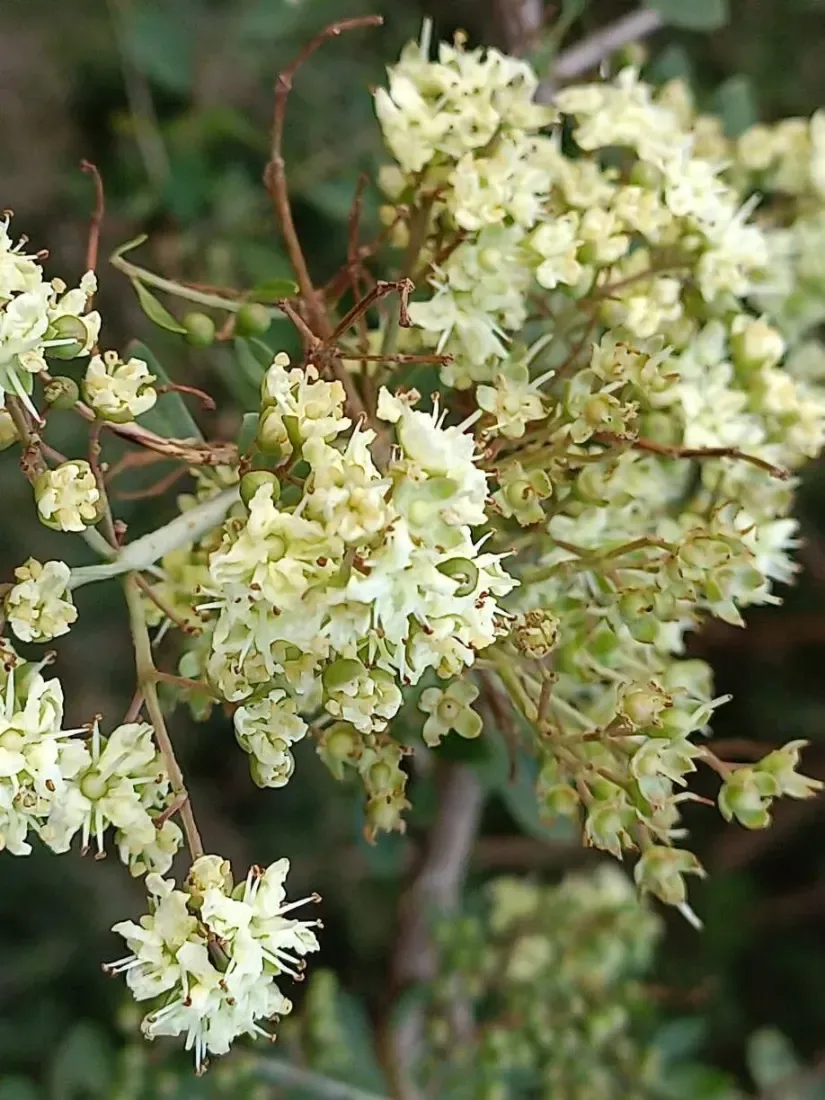
દેશી મેંદી
Lawsonia inermis
Henna
Native
Commonly known as Mehndi, Egyptian priven, Cypress shrub, Camphire, Samphire, Hennah.
No specific wildlife-relationship data recorded for this species.
- Seed germinates best around 25°C, but its hard coat means it needs pre-germination before sowing: steep in water for 3-7 days, changing the water daily, then pile the seeds and keep them moist and warm for a few days (draining off excess water carefully) until the coat softens and the seed starts to swell.
- Sow in a nursery once ready, keeping soil consistently moist with daily watering at first.
- Once plants reach about 40cm, lift them, cut back to about 15cm, and transplant.
- Softwood and hardwood cuttings (using branches with 6-8 buds) root easily, and layering also works.
Long used across Islamic culture for staining hair, beards, nails, and skin, with colour variations achieved by adding indigo, gambier, or areca nut powder. In India, henna's most iconic use is painting intricate patterns on a bride's hands and feet, and those of her wedding guests.
- Beyond the well-known dye, henna genuinely earns some of its old reputation as an all-purpose remedy: it contains coumarins, the naphthaquinone lawsone (the dye compound itself), flavonoids, and tannins, giving it real astringent, blood-clotting, and antibacterial properties.
- Leaves are taken internally for amoebic dysentery, diarrhoea, and to promote menstrual flow, and used as a gargle for sore throats.
- Externally, they treat various skin diseases (including leprosy), wounds, ulcers, and herpes, dyeing hair with henna is even said to kill lice as a side effect.
- Bark treats liver problems and, chewed and held against the teeth, toothache.
- Crushed leaves make the classic reddish dye for cloth, hair, and skin (mixed with indigo, it turns hair jet black instead); flowers yield a lilac-scented essential oil used in perfumery.
- Fibrous bark and branches are woven into baskets, twigs serve as toothbrushes, and the hard, fine-grained wood is used for tent pegs and tool handles.
These uses are documented for information only and are not medical advice. Always verify the species and the plant part before use.
Commercially significant across Delhi, Gujarat, and Rajasthan (Malwa) in India, with Sudan and Egypt as its main international competitors.