-
Canaan Vivero
-
Dr Ashwathanarayana Rao
જાંબુ
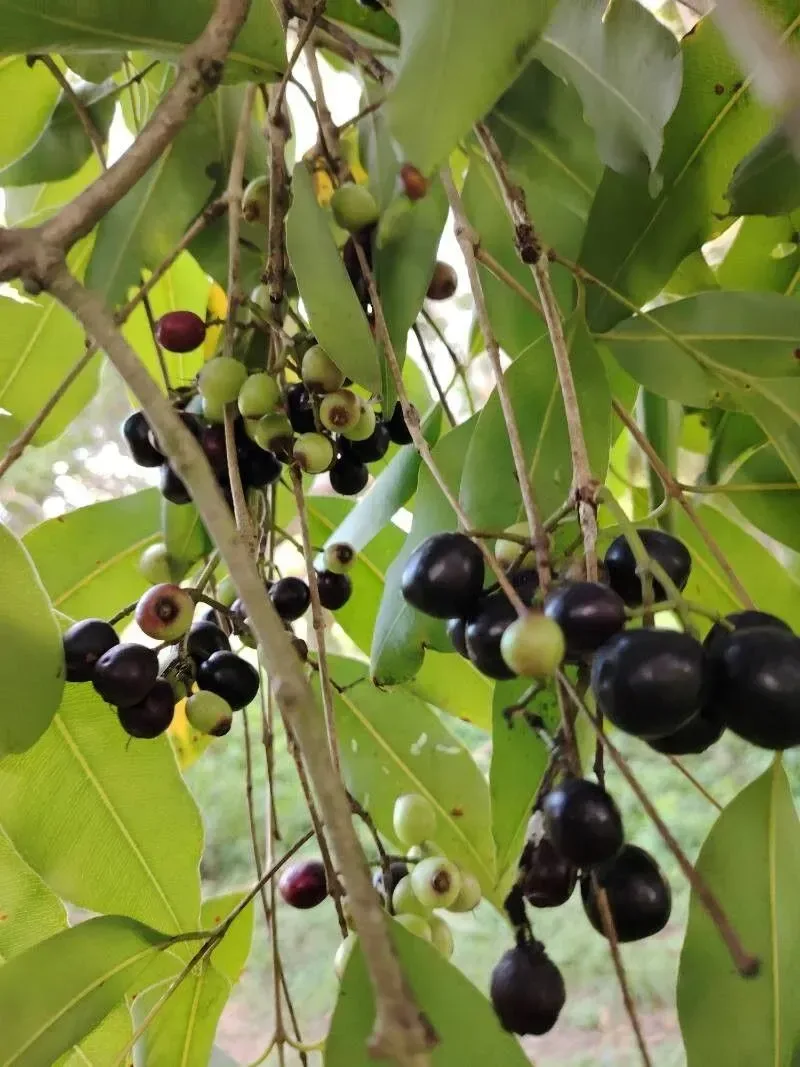
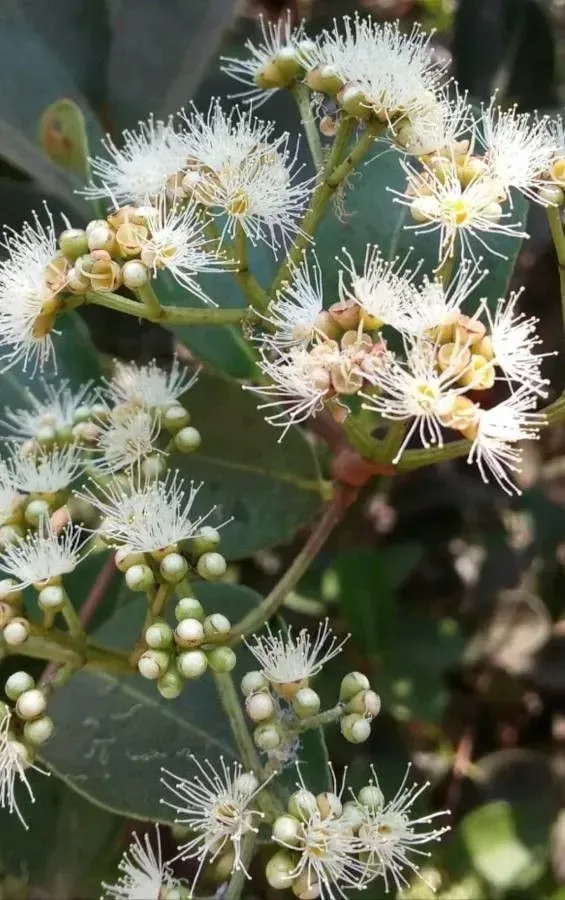
Syzygium cumini
Indian Blackberry जामून
Native
Commonly known as Black Plum, Jambolan, Jambu, Jambol, Jaman, Java plum, Naval, Neredu.
Seed or sapling available
Habit
Tree, Fruits
Origin
Native
Flowering
Summer
Edible
Yes
Sourcing
Available
Sun
Tolerates shade
Water
Steady moisture · drought tolerant
Drainage
Takes wet ground
Soil
Almost any, including rocky
Started from
Seed, Layering, Grafting
Germinates
2–4 weeks
No specific wildlife-relationship data recorded for this species.
- Sow freshly collected seed in nursery beds during the rainy season, about 20-25mm deep; it germinates in 2-4 weeks at a 20-90% rate.
- Prick seedlings out at 6-9 months into 30x30cm beds.
- Moisture matters more than shade for seedling development: sun-grown seedlings do fine if the soil stays moist, but shaded ones can die if the soil dries out.
- Seedlings are somewhat frost tender, especially on grassy ground.
- One to three-year-old seedlings transplant without trouble.
- Can also be propagated by air-layering or grafting.
An ancient, sacred fruit tree in India, revered by both Buddhists and Hindus and traditionally planted near temples.
- The fruit is eaten fresh or made into jams, sherbets, jellies, tarts, and puddings.
- Its slightly bitter, astringent edge softens if you soak it in salt water first.
- Dried, ground seeds are brewed into a coffee-like drink, and jamun seeds are traditionally used to help manage diabetes, along with treating bloody diarrhoea, epilepsy, and bleeding.
These uses are documented for information only and are not medical advice. Always verify the species and the plant part before use.
Found across Asia from China to Sri Lanka to Australia, in habitats ranging from evergreen and deciduous forest to coastal areas and swamps.