-
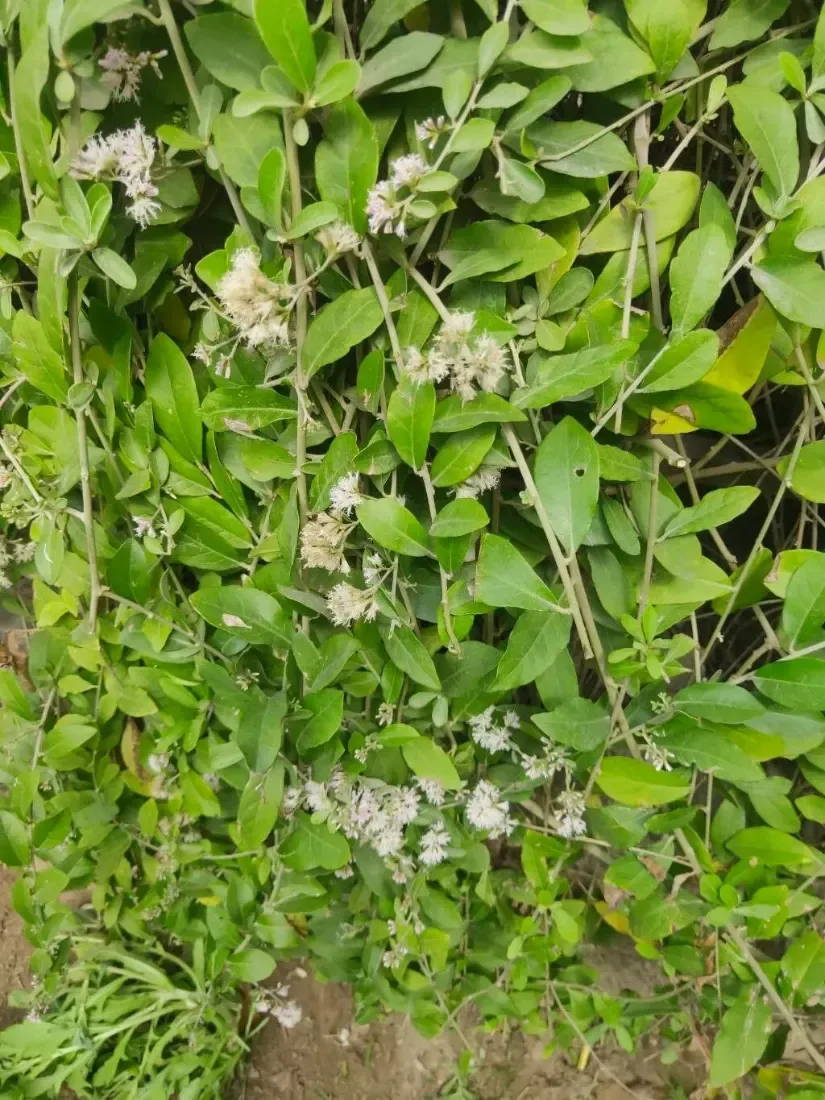
Dr. Pramod Chaudhari
-
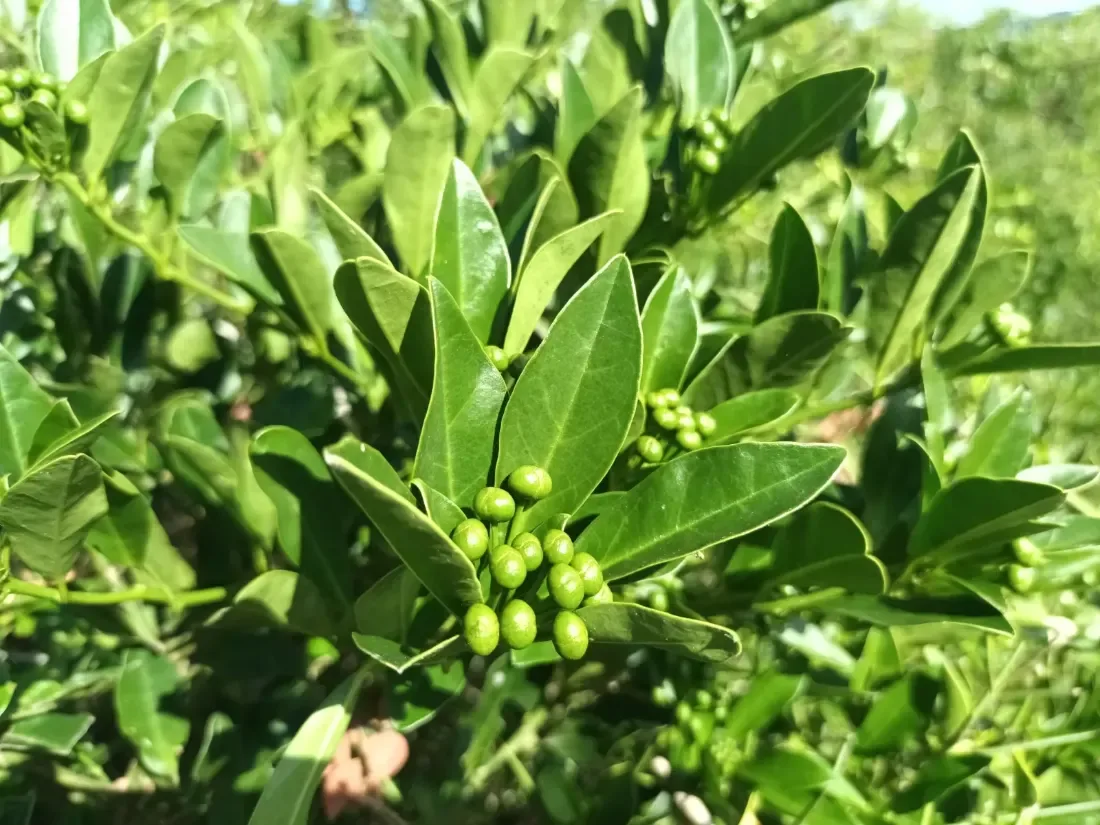
Johan Huisamen
-
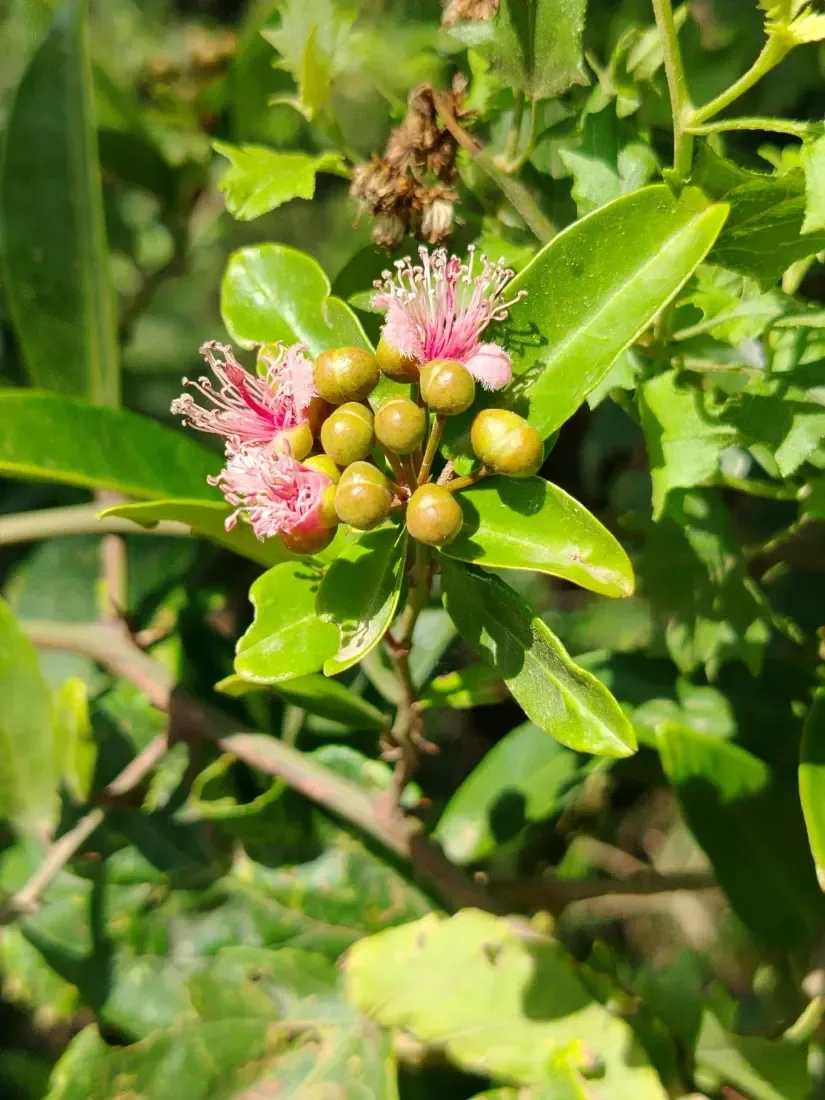
graham_g
કંથાર
Capparis sepiaria
Indian caper
Native
Commonly known as Cape Caper, Wild Caper Bush.
Habit
Shrub, Climber
Origin
Native
Flowering
Summer, Winter
Edible
Yes
Sun
Full sun, tolerates shade · 6–8 hours
Water
Steady moisture · drought tolerant once established
Drainage
Needs to drain well
Soil
Sandy, clay, rocky
Started from
Seed
Attracts the Common Albatross butterfly.
- Grows prolifically with low maintenance once established: plant in well-draining potting mix, water sparingly, ensure at least 6-8 hours of daily sun, and feed young plants with a slow-release fertiliser a few times each spring and summer.
- From seed: since dormant seeds are notoriously tricky to germinate, most gardeners buy a young plant instead.
- If attempting seed, soak for 24 hours first; if the seed isn't fresh, it also needs cold stratification, kept moist, sealed, and refrigerated for at least a couple of months.
- After stratifying, soak again for 24 hours in warm water before sowing into a loose, well-draining, moist medium.
- Germination can take anywhere from a month to three months.
- Seedlings dislike root disturbance, handle transplanting with care, and protect them from temperature extremes and direct sun until well established.
No cultural-significance data recorded for this species.
- Leaves are cooked into soups only in times of shortage (some toxicity has been reported, so caution is warranted).
- Ripe fruit is eaten raw, historically by hunters out on the chase, and flower buds are pickled as a substitute for true capers.
- Bark and roots are used as a wound dressing, and the plant more broadly is considered alterative, febrifuge, and tonic.
These uses are documented for information only and are not medical advice. Always verify the species and the plant part before use.
Drier regions of Africa from Senegal to Somalia and south to South Africa, through tropical Asia from India to the Philippines, New Guinea, and Australia. Especially common in Gujarat.