-
-
HP Lim
-
Plantuse
-
ગુંદો
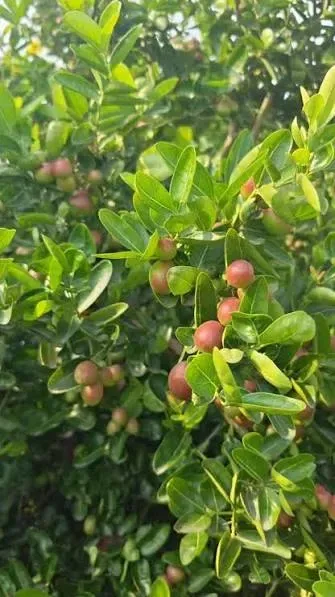
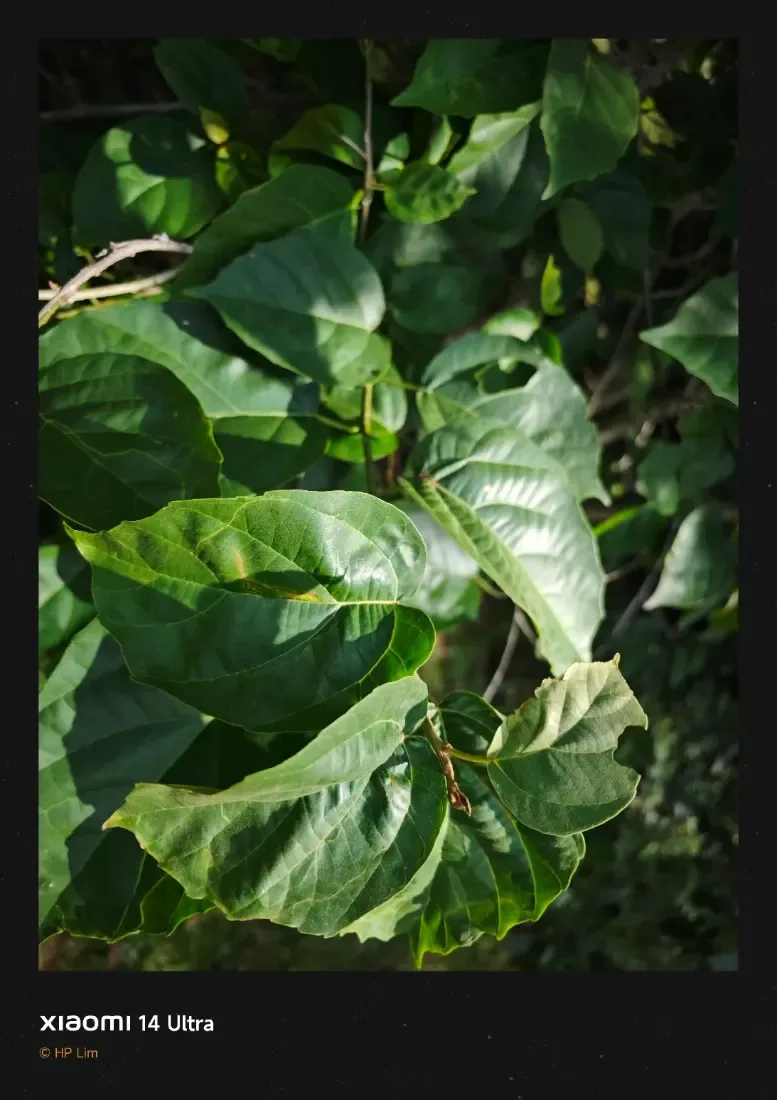
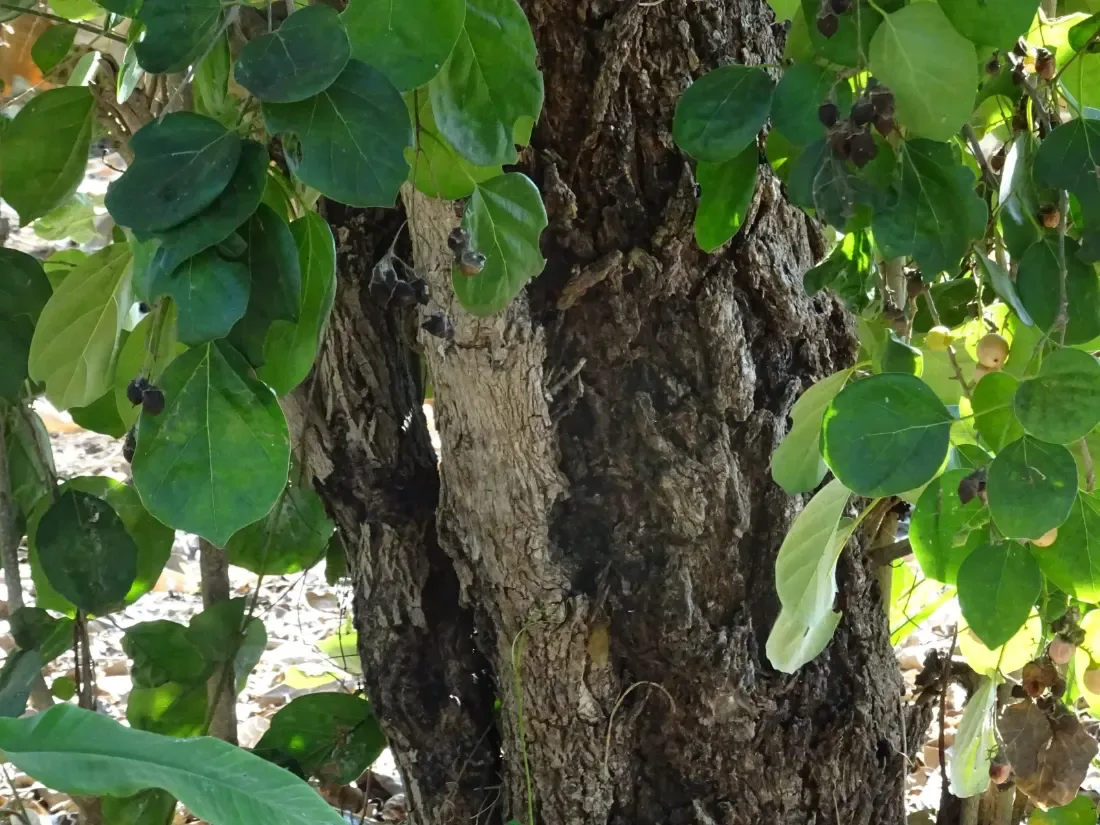
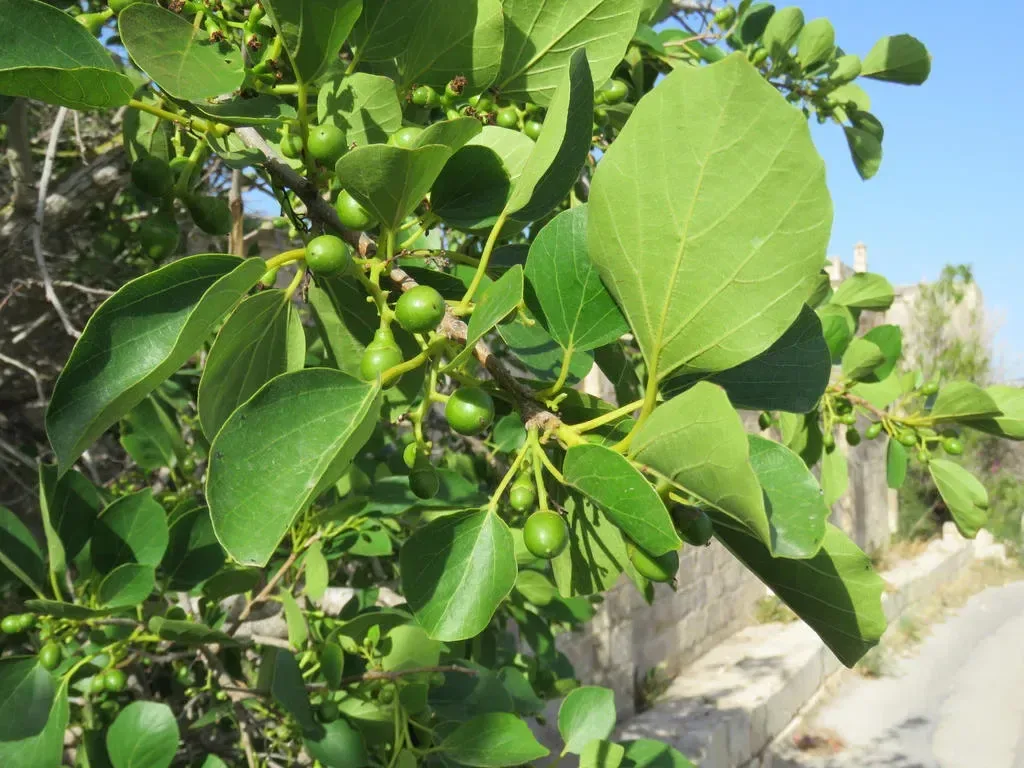
Cordia dichotoma
Indian cherry गुंदा
Native
Commonly known as Vad Gundo, Mota Gunda.
Habit
Tree
Origin
Native
Flowering
Summer
Edible
Yes
Sun
Full sun
Water
Steady moisture
Soil
Loam, sandy
Started from
Seed
Germinates
3–4 weeks
No specific wildlife-relationship data recorded for this species.
- Sow seed directly into containers, beds, or trays.
- Germination starts in 3-4 weeks and finishes by week 6; lightly abrading the seed coat first speeds this up.
- Pot up seedlings as soon as the first true leaves form.
- At lower altitudes, seedlings are ready to plant out after just 3-4 months in the nursery; at higher altitudes, allow 9-12 months.
- One or two seedlings can emerge from a single stone, and seed stores for at least a year in airtight containers.
- Plants can also be raised from stumps (8-13mm thick at the root collar, with about 4cm of stem and 20-25cm of root), grown in beds for 12-15 months first.
No cultural-significance data recorded for this species.
- Immature fruit is pickled or cooked as a vegetable; ripe fruit is eaten raw for its sweet, mucilaginous flesh.
- Flowers are a famine food, and the seed kernel tastes something like a filbert nut, though the smell when cut is notably unpleasant.
- The sticky pulp, called 'sapistan' in a related species used across the Near and Middle East, is a well-known demulcent and laxative remedy for coughs, sore throats, and chest complaints.
- Bark is mildly astringent and tonic, used for dyspepsia, diarrhoea, dysentery, and fever, and applied externally to boils and mouth ulcers; it's even used to strengthen teeth by rubbing directly on them.
- Leaf juice, considered cooling, treats migraines and swelling, and is also used as a contraceptive.
- Research has isolated anti-inflammatory compounds from the seeds.
These uses are documented for information only and are not medical advice. Always verify the species and the plant part before use.
China, Japan, the Indian subcontinent, Myanmar, through Indo-China, Malaysia, to Australia.