-
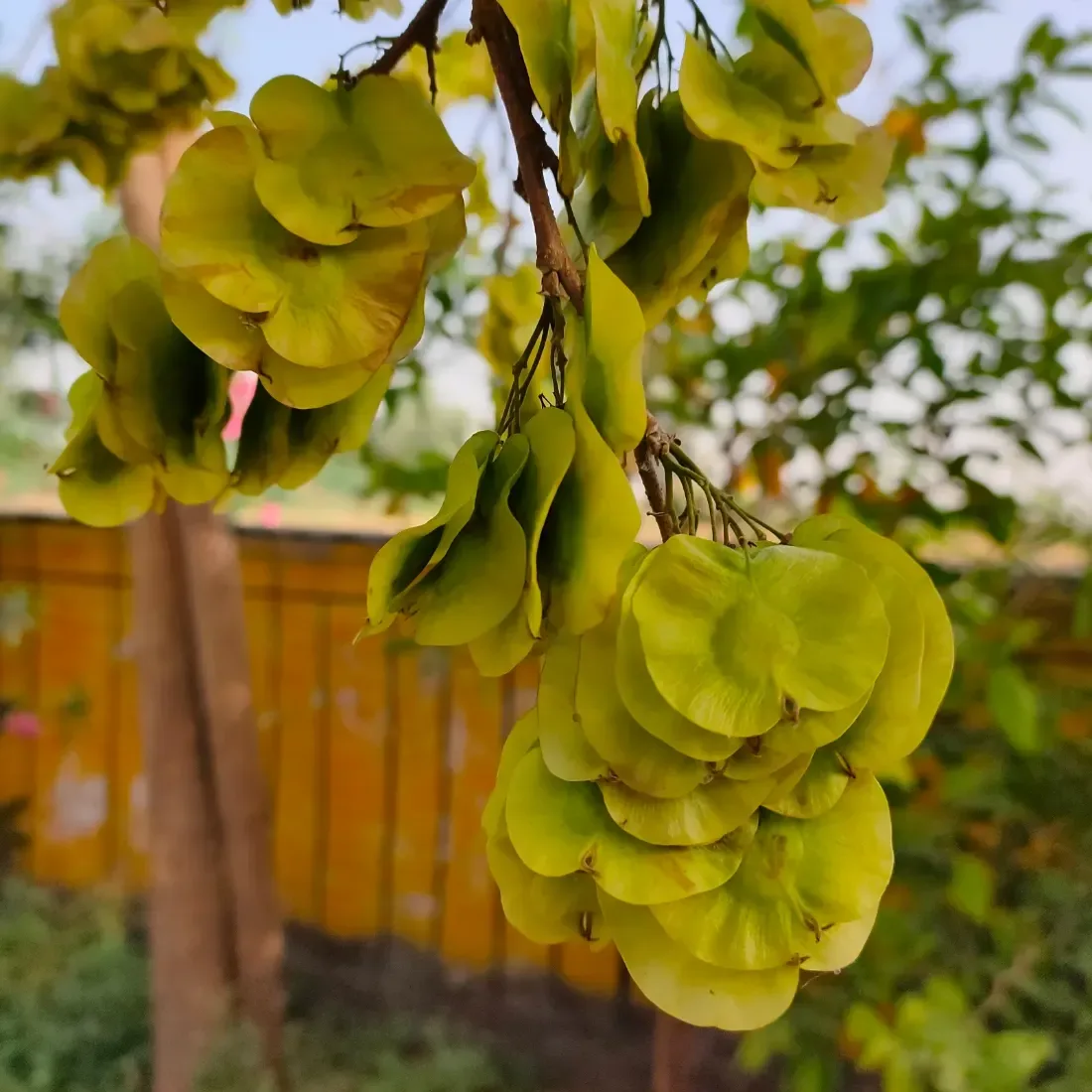
Plantuse
-
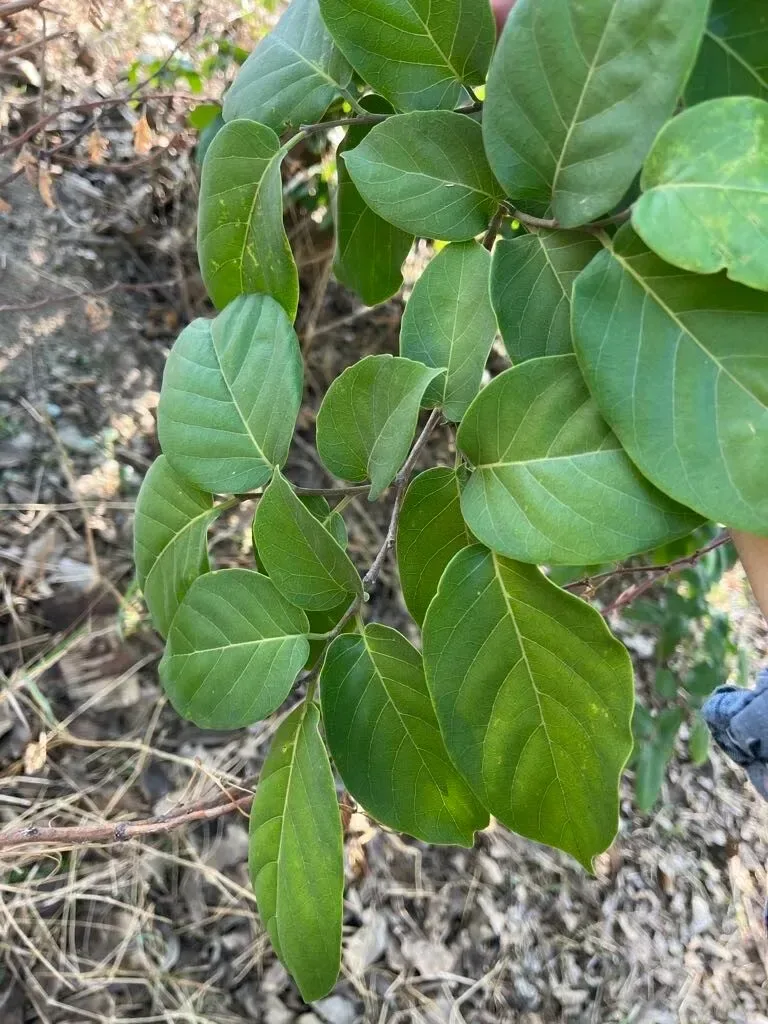
Plantuse
-
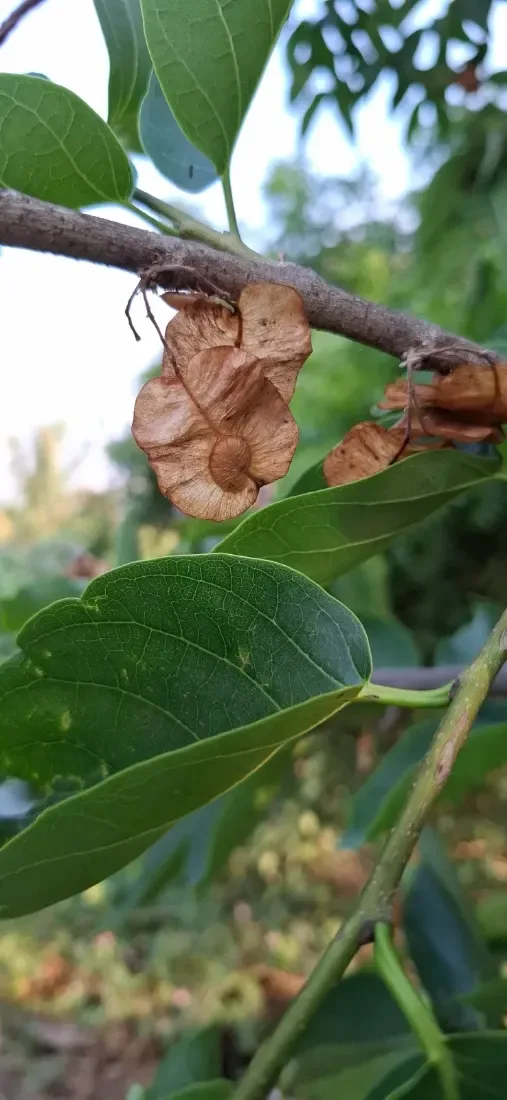
abhigandhi
કાન્જી
Holoptelea integrifolia
Indian elm
Native
Commonly known as Jungle cork tree, ચરલ, પલપલિયા, વરલી.
Habit
Tree
Origin
Native
Flowering
Summer
Edible
Yes, To be verified
Water
Steady moisture · drought tolerant
Drainage
Needs to drain well
Soil
Loam, sandy, rich in organic matter
Started from
Seed
No specific wildlife-relationship data recorded for this species.
- Choose an open, well-drained, sunny location with room for its broad canopy.
- It adapts to most soil types but does best in loamy, sandy, or slightly acidic ground rich in organic matter.
- Soak seed for 24 hours before sowing at 2-3cm depth, keeping the soil consistently moist through germination.
- Keep watering regularly through early growth, once established, it needs much less.
- Prune occasionally to shape and remove dead or damaged branches, and feed with organic compost or slow-release fertiliser, particularly while the tree is young.
No cultural-significance data recorded for this species.
- Bark and leaves treat oedema, diabetes, leprosy and other skin diseases, intestinal disorders, and piles, and a poultice of the two is applied to boils, swellings, and rheumatic pain.
- Bark is used externally for rheumatism, ringworm, scabies, ulcers, and scorpion stings; boiled, mucilaginous bark juice is squeezed out and applied to swollen joints, with the leftover pulp then powdered and reapplied over the same area.
- A seed-and-bark paste treats ringworm, and the unripe fruit is eaten.
These uses are documented for information only and are not medical advice. Always verify the species and the plant part before use.
India, Sri Lanka, Nepal, Myanmar, Thailand, Cambodia, Laos, and Vietnam, in scattered, semi-open deciduous and bamboo forest.