-
André Hyvrier
-
Kévin Landeau
બોર
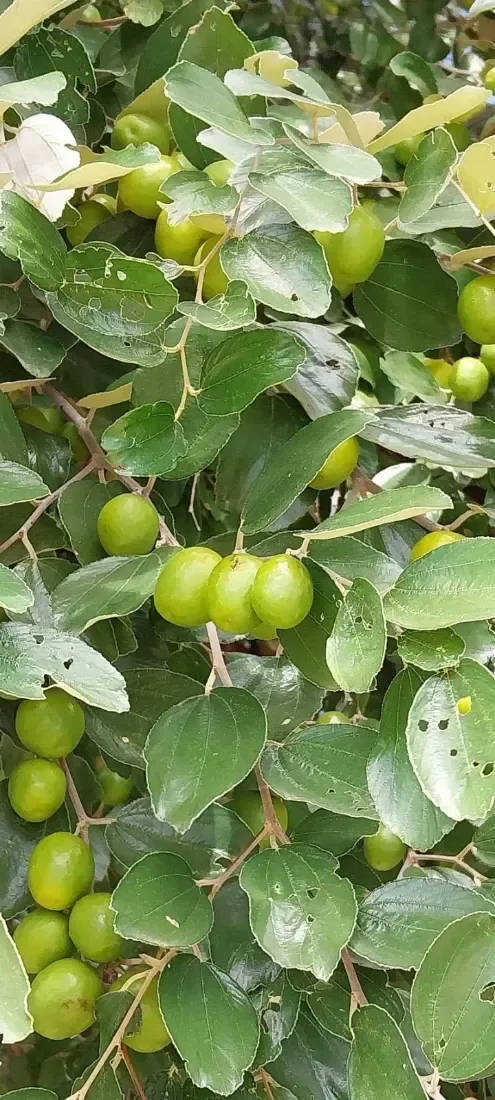
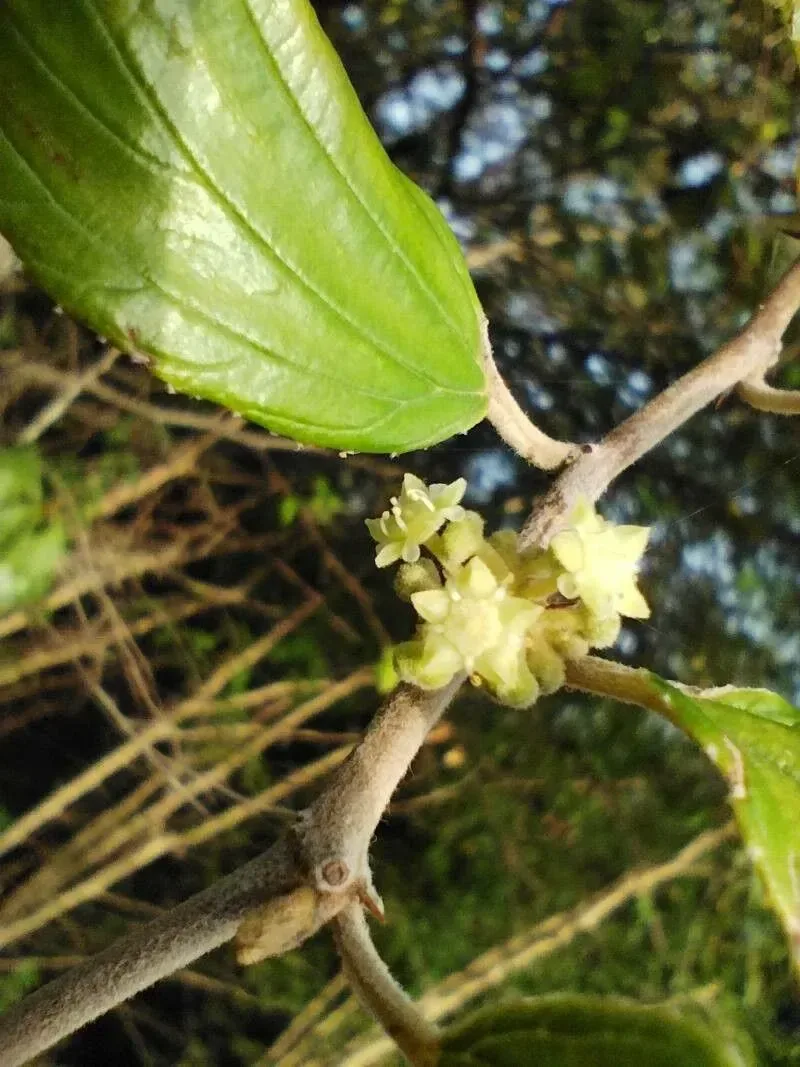
Zizyphus mauritiana
Indian jujube
Native
Commonly known as Indian Plum, Bor, Mota Bor, Chinese date.
No specific wildlife-relationship data recorded for this species.
- Store seed for 4 months to let it after-ripen, this improves germination significantly.
- Cold stratification in sand for 60-90 days at 5°C helps further, and scarifying the seed (or treating it with sulphuric acid) also aids germination.
- Seeds need full sunlight to germinate.
- Left inside the stone, germination takes 3-4 weeks; cracked, it's quicker; carefully extracted, just about a week.
- Sow in full light in trays or beds, and prick out seedlings once two pairs of true leaves have formed, expect roughly 15 months in the nursery before they're ready.
- Root cuttings also work.
Ayurveda describes several varieties by size and preparation, each with distinct effects: ripe fruit is considered sweet, digestive, and good for eliminating fatigue and blood disorders; the bark paste is used for wounds; fruit pulp on the eyes for eye disease; and seeds for calming and nourishing effects.
- The fruit is eaten raw, preserved, crushed into a drink, or worked into a floury meal, butter, or cheese-like paste.
- Unripe fruit is eaten with salt; seeds are eaten raw as a snack; young leaves are cooked as a vegetable.
- In Chinese medicine it's prescribed as a liver-strengthening tonic, and modern research backs some of this: dried fruit contains saponins, triterpenoids, and alkaloids that show anticancer, antidote, and tonic properties, used traditionally for chronic fatigue, anaemia, and bronchitis.
- The seed is used for insomnia and night sweats; leaves are used for cough, asthma, and hair growth; a root decoction treats fevers.
- Japanese research has found it boosts immune-system resistance, and a small Chinese clinical trial found liver function improved in patients given jujube, peanuts, and brown sugar nightly for four weeks.
These uses are documented for information only and are not medical advice. Always verify the species and the plant part before use.
Found from China through India, Sri Lanka, Nepal, Bhutan, and Southeast Asia to Australia, especially in sandy soils of arid regions, coastal thickets, and dry woodlands up to 1,800m. Native to North China, it reached West Asia over 2,500 years ago via ancient trade routes.