-
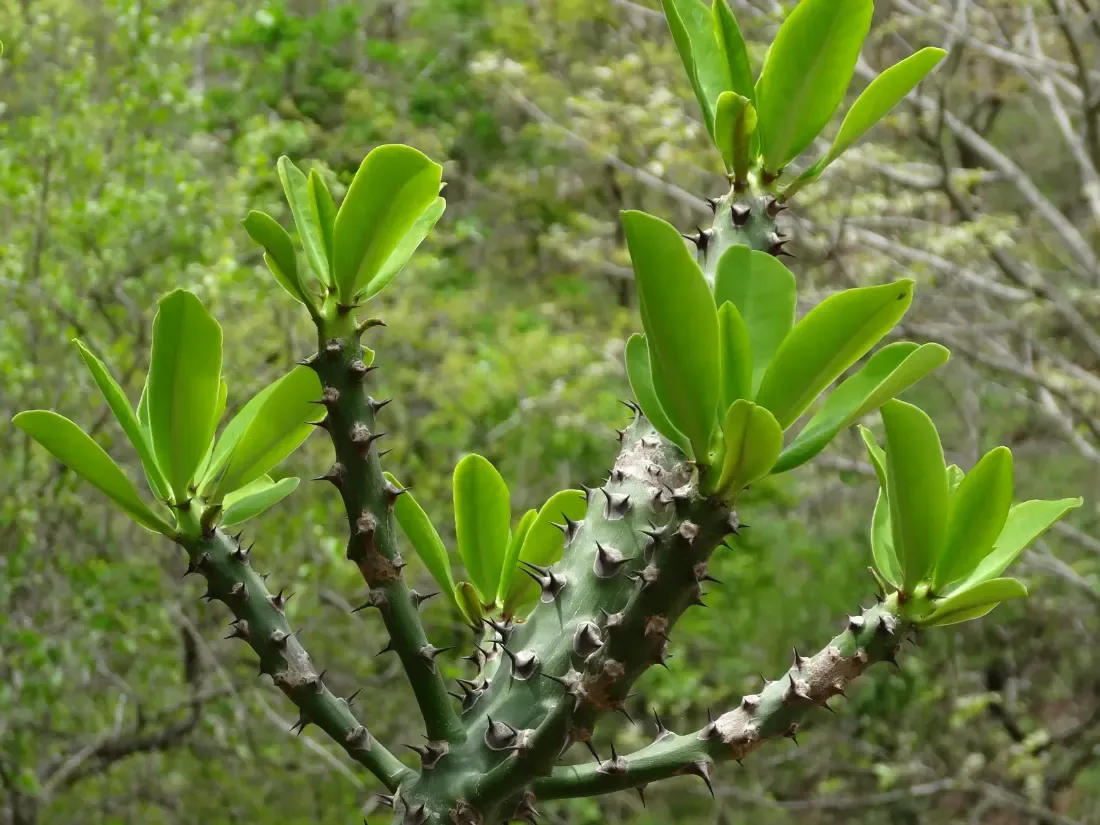
Plantuse
-
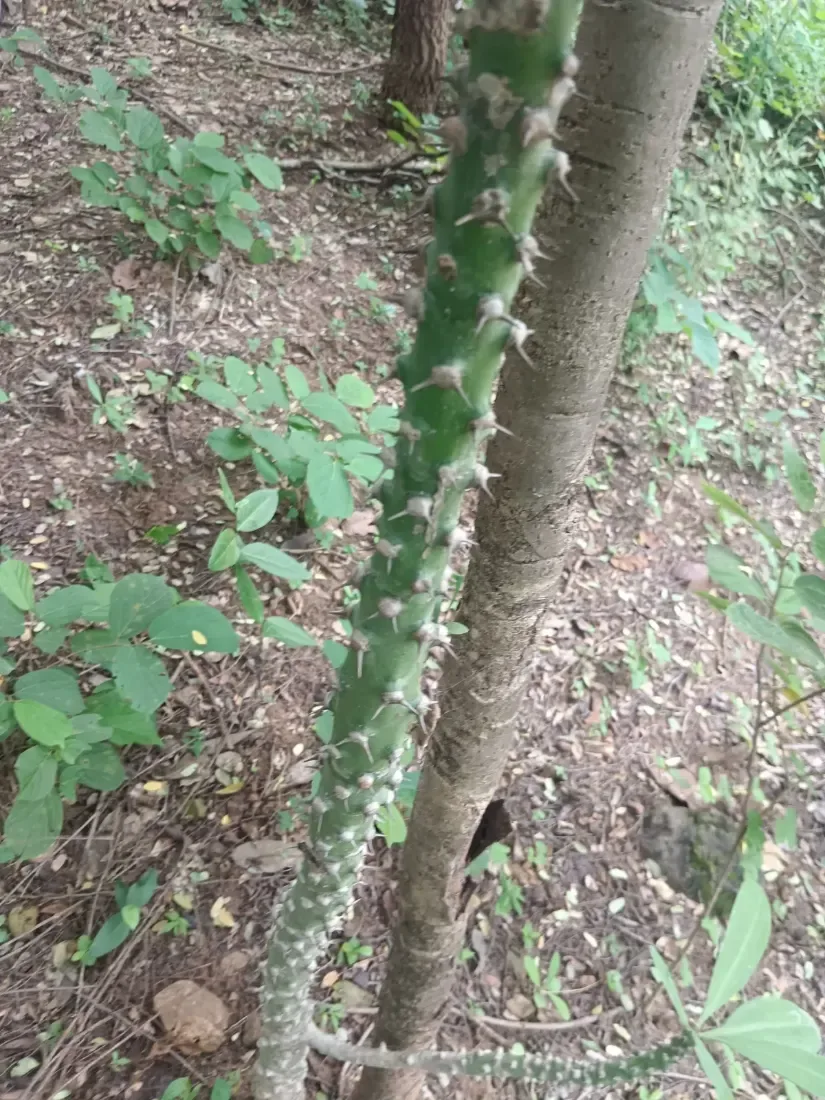
Raja bandi
-
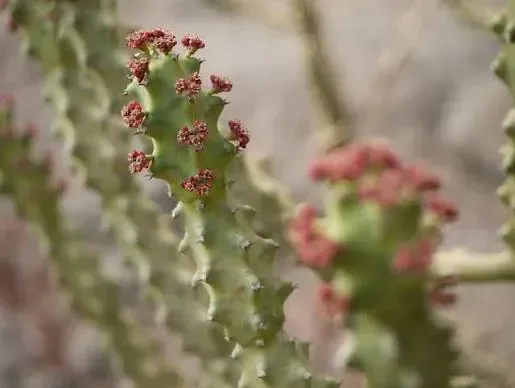
થૂવર
Euphorbia neriifolia
Indian spurge tree
Native
Commonly known as Oleander Spurge or Indian Spurge Tree, Vaad Thor, થોર.
Habit
Shrub
Origin
Native
Flowering
Summer
Edible
Yes
Sun
Full sun, tolerates shade · 6 hours
Water
Steady moisture · drought tolerant
Drainage
Must not sit wet
Soil
Sandy, rocky, rich in organic matter
Started from
Cuttings
No specific wildlife-relationship data recorded for this species.
- Grow from cuttings: let them dry for a few days before potting into a rooting medium.
- Choose a spot with at least 6 hours of direct sun daily and well-draining soil, mix in sand or compost if the ground retains too much water.
- It's drought tolerant, so water deeply only when the soil is dry, and let it dry out between waterings to avoid root rot.
- It needs little fertiliser, a balanced feed once or twice a year during the growing season is enough.
- Prune lightly to shape or remove dead branches.
- It's generally pest- and disease-resistant, but the sap can irritate skin and is toxic if ingested, wear gloves and avoid contact with eyes or mouth while handling it.
- To propagate: take a 4-6 inch stem cutting, strip leaves from the bottom 2 inches, dip the cut end in rooting hormone, and plant in well-draining soil.
- Water thoroughly, keep in a warm, bright spot out of direct sun, and keep soil moist but not waterlogged.
- New growth and roots typically appear within a few weeks, after which it can be moved to a larger pot or planted out.
Historically associated with the goddess Manasa and traditionally planted in courtyards for protection against snakebite and disaster.
- Leaves, boiled with syrup, are turned into sweetmeats.
- The plant's latex is a genuinely potent traditional asthma remedy, a syrup made from equal parts latex and simple syrup, taken in small doses three times a day, has reportedly relieved asthma attacks completely.
- The same latex is applied externally for haemorrhoids, sore throat, cracked lips, gonorrhoea, and warts.
- Bark works as a strong purgative, and root mixed with black pepper treats snakebite both internally and externally.
- Heated, squeezed leaf sap (sometimes with salt) treats asthma, wheezing in babies, colds, and stomach upset.
These uses are documented for information only and are not medical advice. Always verify the species and the plant part before use.
China, India, Myanmar, Vietnam, Malaysia, and New Guinea.