-
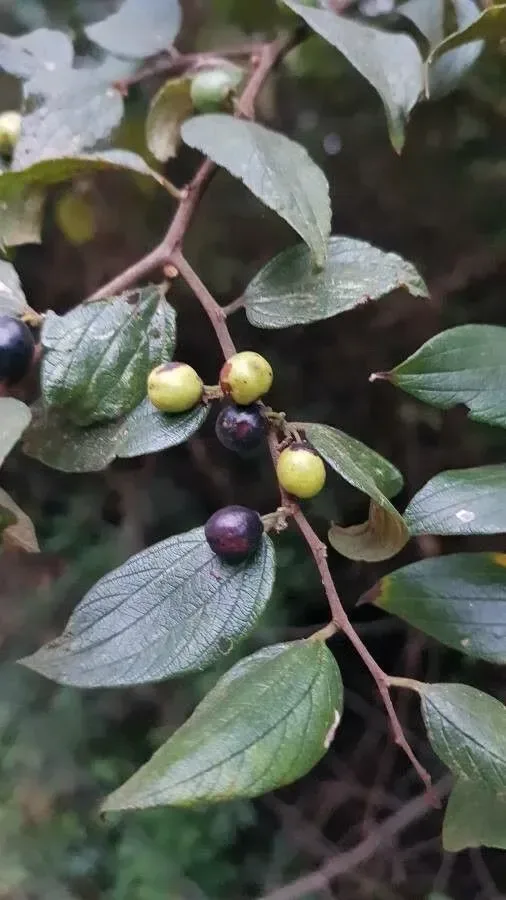
Rumi Minocher
-
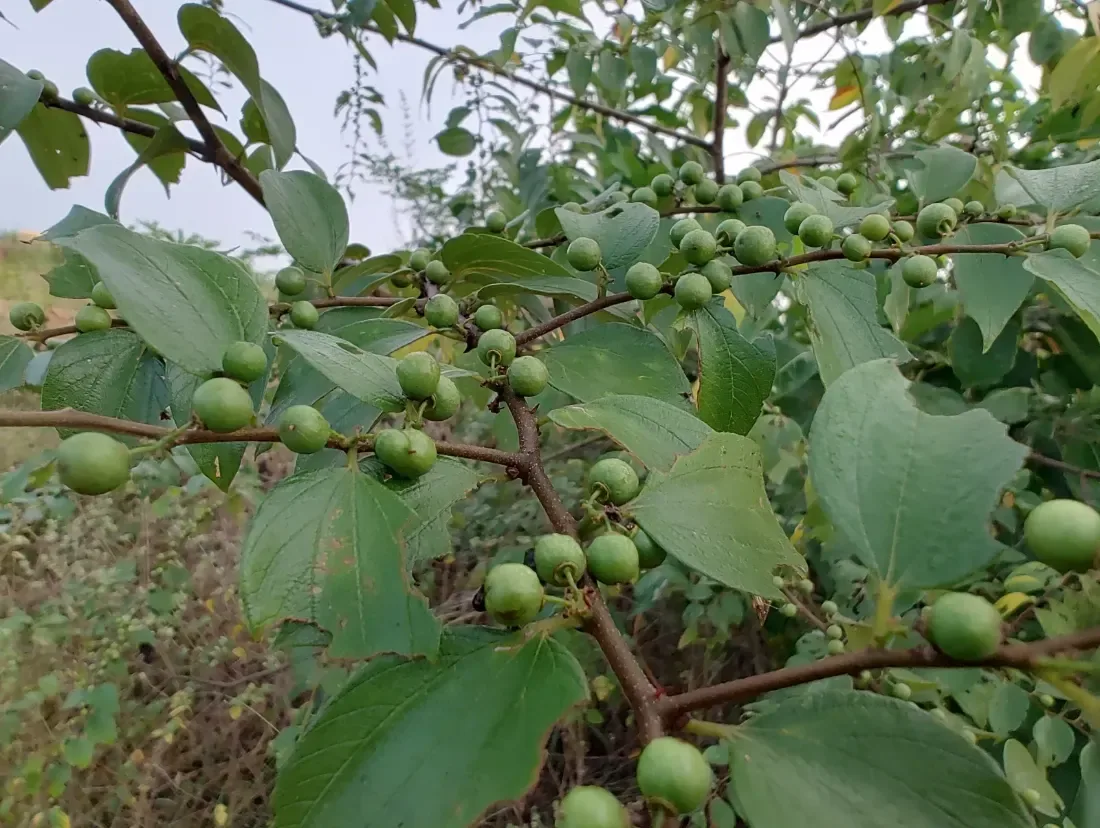
plantuse.org
-
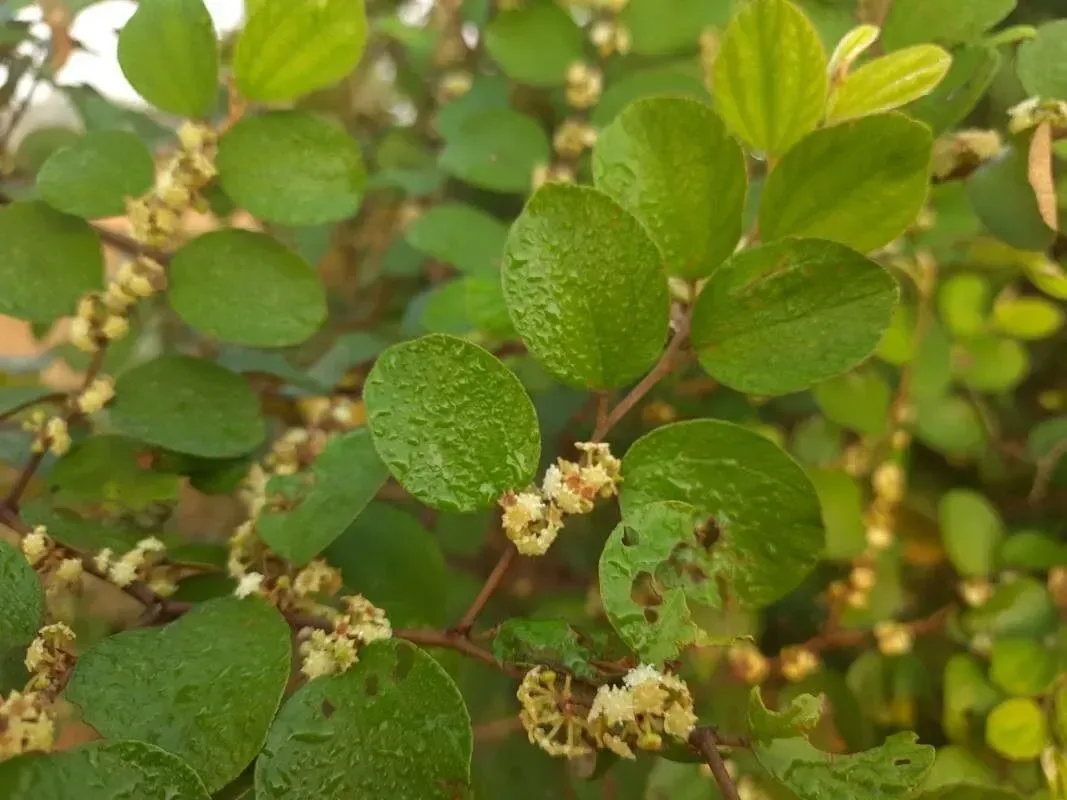
prasadnayak2002
બોર
Zizyphus oenopolia
Jackal jujube
Native
Commonly known as Indian Plum.
Habit
Tree
Origin
Native
Flowering
Monsoon, Winter
Edible
Yes
Started from
Seed, Suckers
Germinates
2–3 weeks
No specific wildlife-relationship data recorded for this species.
- Remove the flesh from around the seed, then soak in cold water for 6 hours.
- Sow in seedling trays under a thin layer of river sand and keep moist.
- Germination usually takes 2-3 weeks with at least 75% success.
- Seedlings transplant easily into black nursery soil, but they grow long taproots, so handle carefully to avoid damage.
- Root suckers are another easy propagation method.
No cultural-significance data recorded for this species.
- Fruit is eaten raw (fresh or dried for later) or cooked; a decoction eases indigestion.
- Root juice is applied to fresh cuts, and a root-bark decoction helps heal wounds; roots are also used against hyperacidity and intestinal worms.
- Bark, rich in tannins, is astringent and used for stomach aches, and an inner-bark paste treats obstinate wounds.
- Because of its prickly growth, it's traditionally planted as a livestock-proof hedge.
These uses are documented for information only and are not medical advice. Always verify the species and the plant part before use.
Southern China, India, Sri Lanka, Nepal, Myanmar, Thailand, Malaysia, Indonesia, the Philippines, and Australia.