-
Radha Gopinath
-
plantuse.org
-
sapotaceae
રાયણ
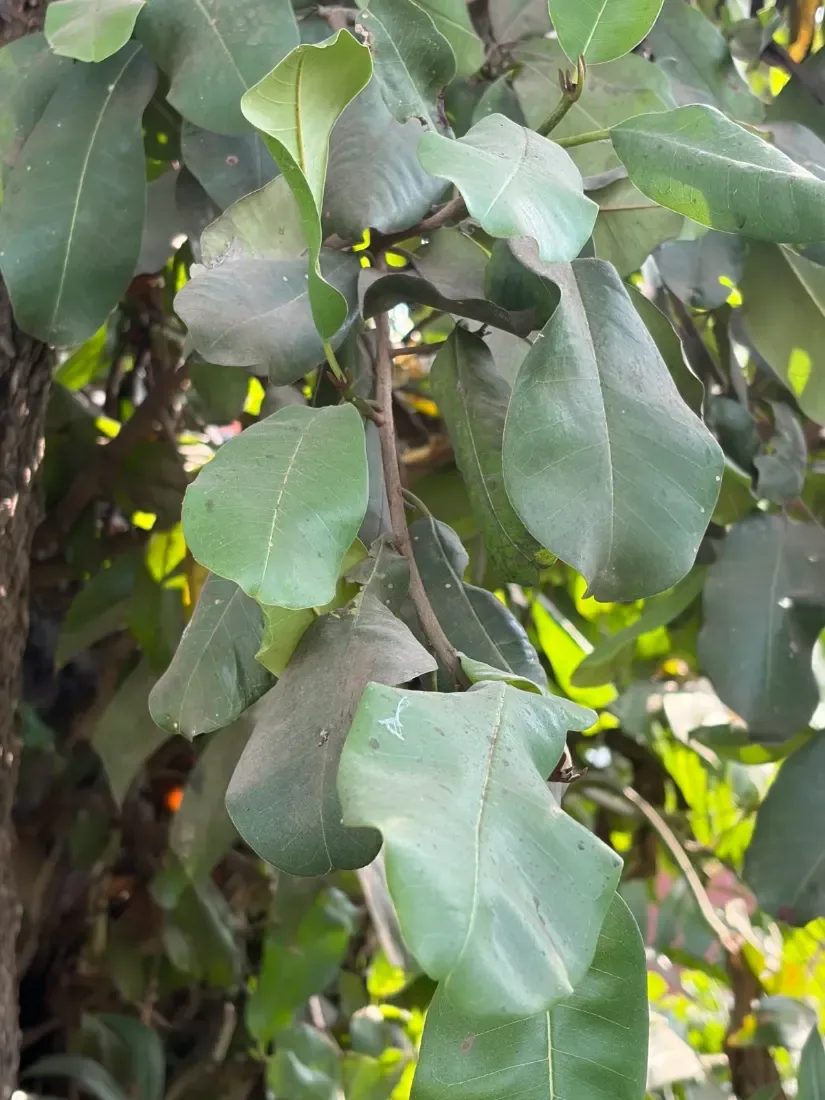
Manilkara hexandra
Khirni
Native
Commonly known as Ceylon Iron Wood, Milk Tree, Wedge-Leaved Ape Flower, Rayan.
Habit
Tree, Shrub
Origin
Native
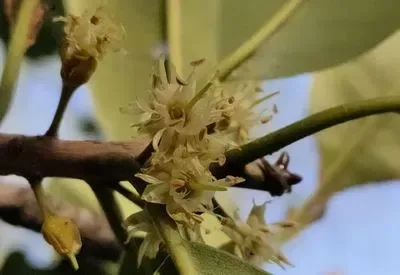
Flowering
Winter
Edible
Yes
Sun
Full sun
Drainage
Must not sit wet
Soil
Loam, rich in organic matter
Soil pH
5.5–7.0
Started from
Seed, Cuttings, Layering, Grafting
Germinates
2–8 weeks
No specific wildlife-relationship data recorded for this species.
- From seed: sow fresh whenever possible.
- Soak in lukewarm water for 12-24 hours before sowing into a well-draining seed mix, and maintain at 25-30°C.
- Germination takes anywhere from 2-8 weeks.
- Other methods: grafting or budding onto disease-resistant rootstock is the standard commercial approach, reducing the juvenile period and controlling tree size.
- Semi-hardwood or hardwood cuttings also work with rooting hormone and high humidity, and air-layering suits species that root poorly from cuttings, wound a branch, apply rooting hormone, and wrap in moist sphagnum moss.
- In containers: it can be grown for years in a large pot (30-50 litres) with excellent drainage, a quality potting mix with added perlite, and repotting every 1-2 years.
- It needs maximum light to fruit, a south-facing window, conservatory, or greenhouse, plus warmth (minimum 15°C) and humidity, misting or a humidity tray helps.
- Regular pruning keeps it compact and productive, and indoor plants may need hand-pollination since natural pollinators won't be present.
No cultural-significance data recorded for this species yet.
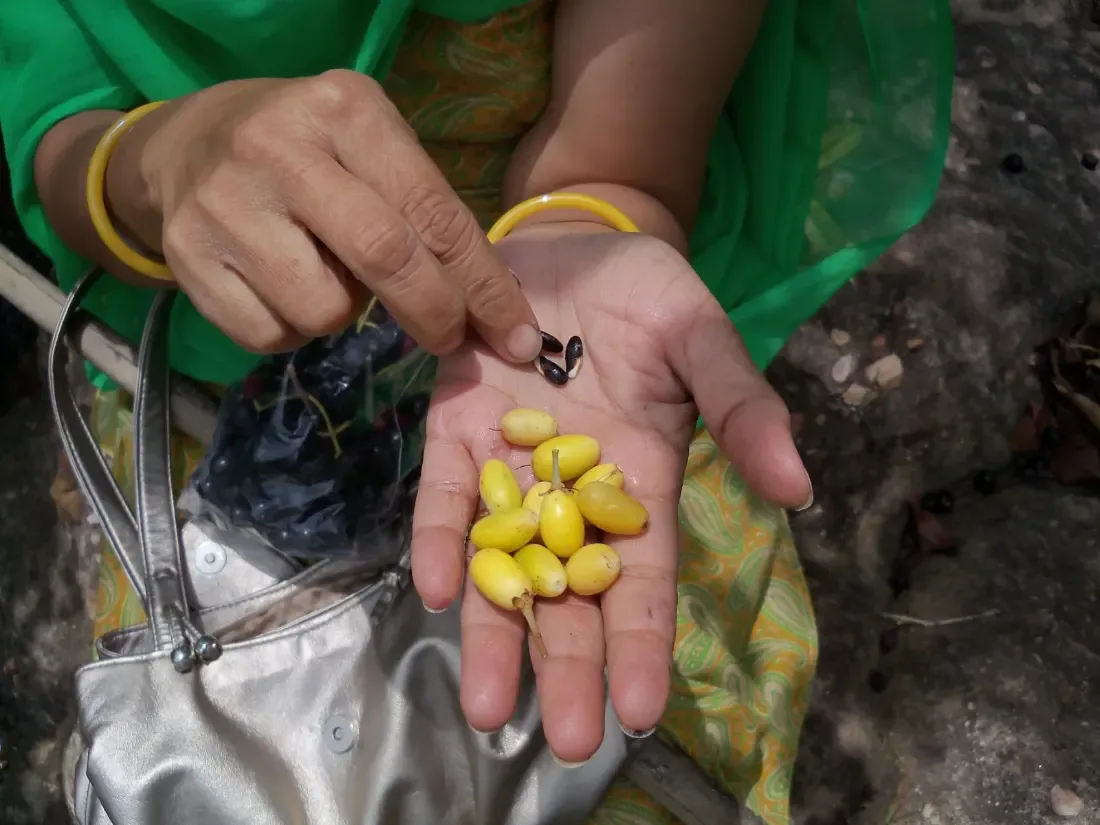
- The fruit is eaten fresh or dried, sweet but slightly astringent.
- The seed kernels yield a pale yellow oil (about 25% oil content) known as rayan oil, and the bark is added to palm sugar to slow fermentation.
- Its hard, tough wood is prized for heavy-duty equipment like sugar mills and oil presses.
These uses are documented for information only and are not medical advice. Always verify the species and the plant part before use.
China, India, Sri Lanka, Bangladesh, Myanmar, Thailand, Cambodia, and Vietnam.