-
SONU KUMAR
-
-
કડવો સરગવો
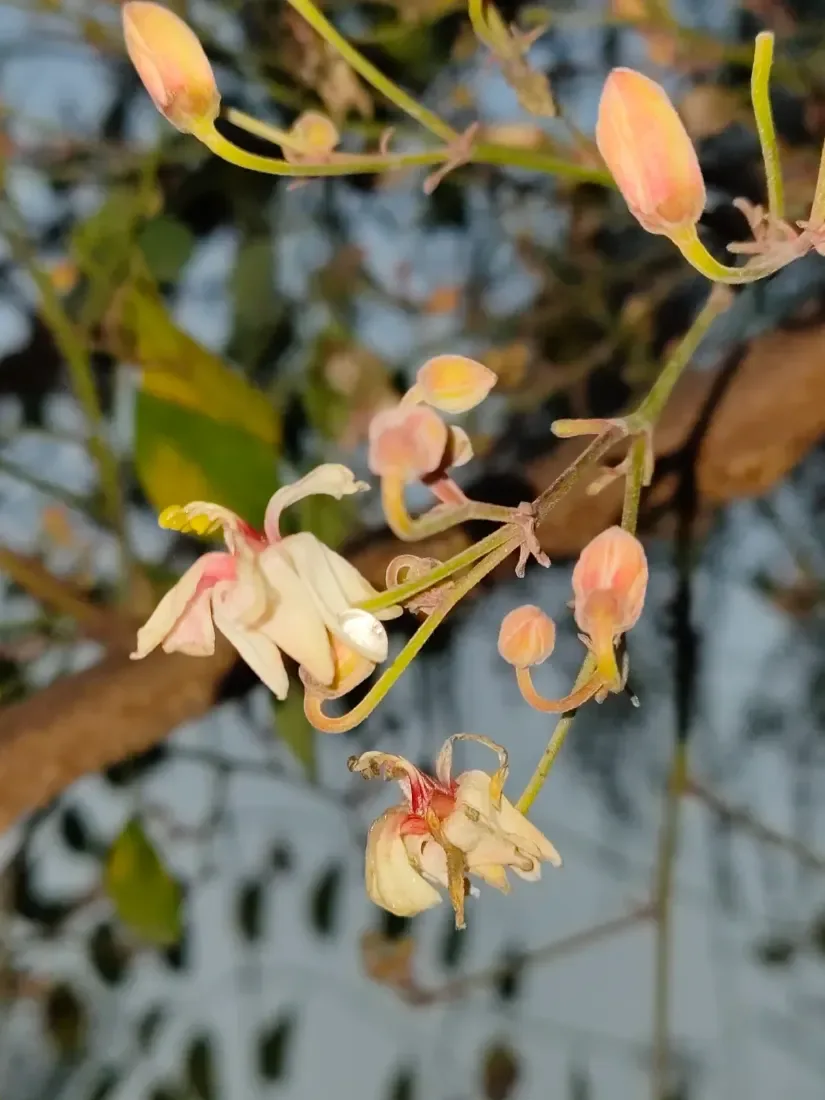
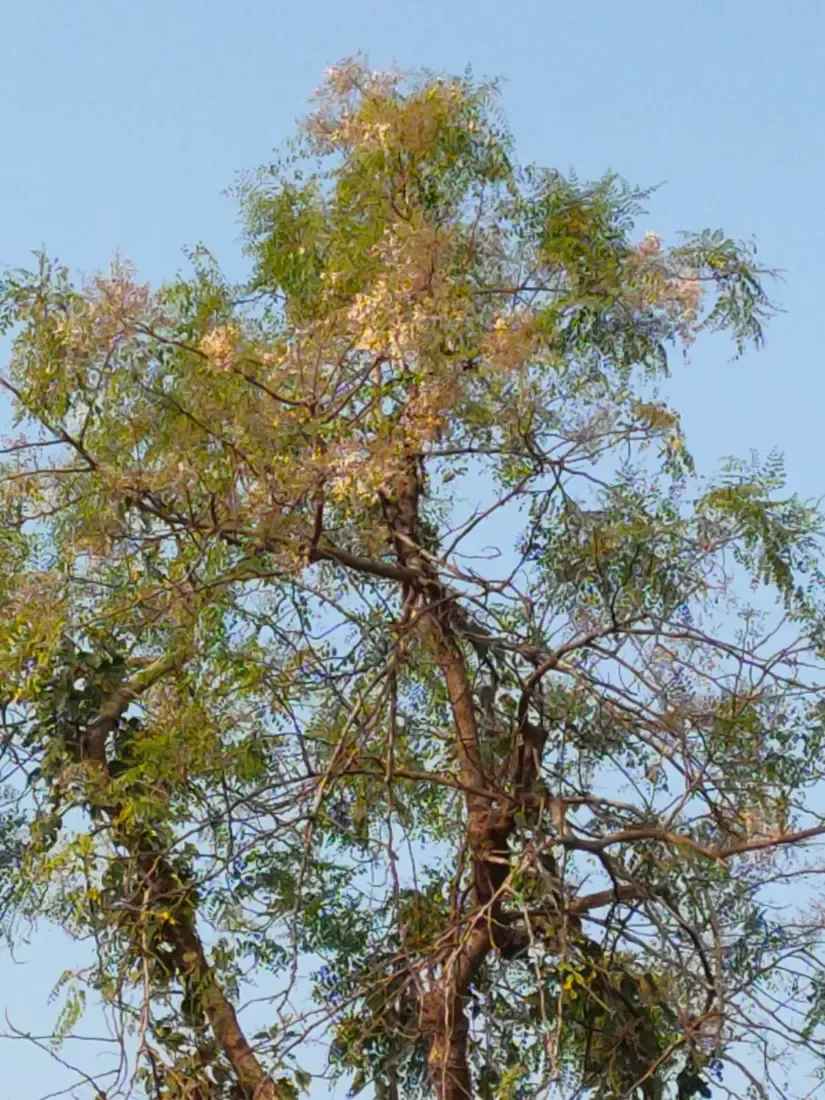
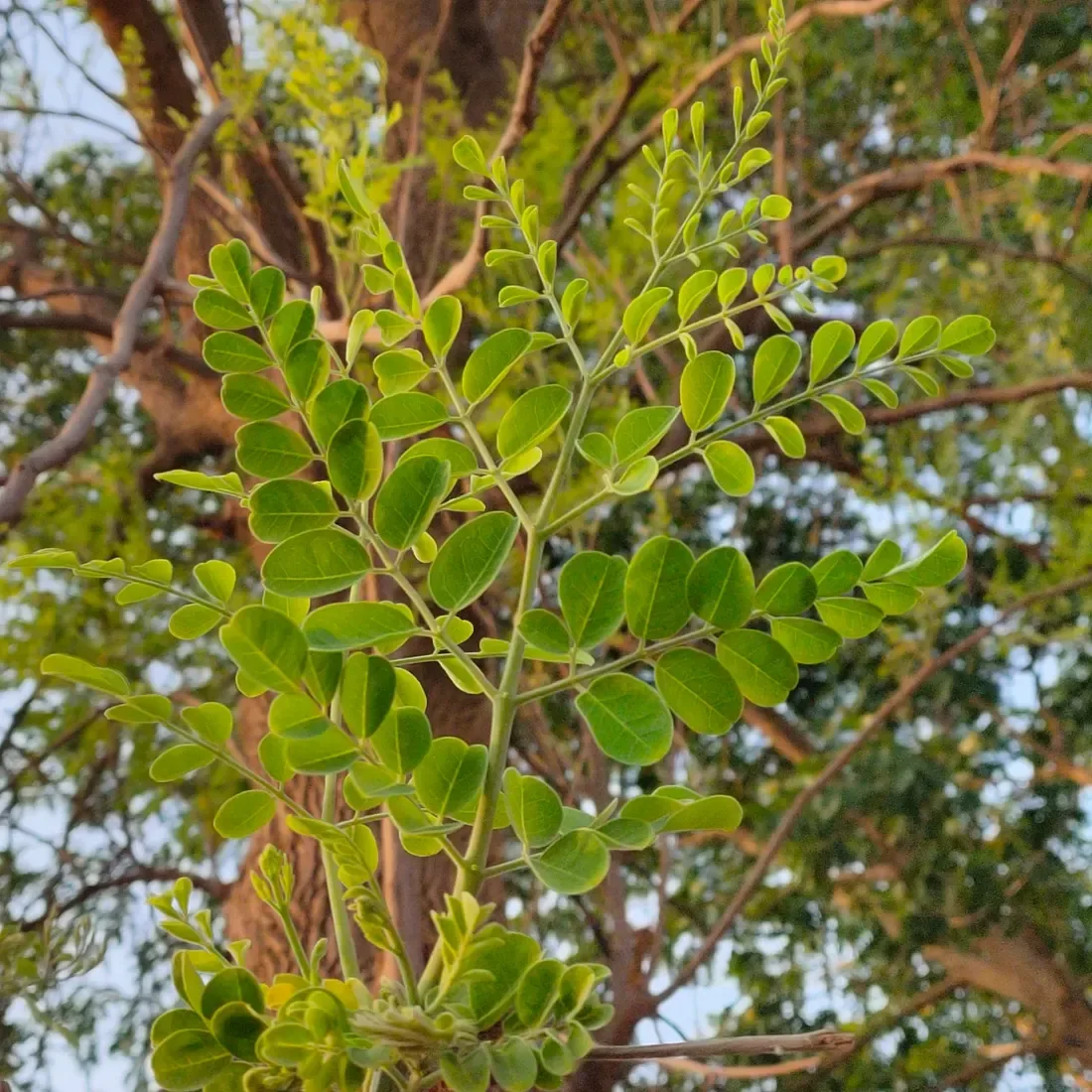
Moringa concanensis
Konkan Moringa
Native
Commonly known as Bitter drumstick tree.
No specific wildlife-relationship data recorded for this species.
- Propagated vegetatively through cuttings, eye grafting, or air grafting.
- Cuttings: use branches about 1 metre long and 15-16cm thick, planted directly.
- June to August is the best window; tying the young plant to a support protects it from wind damage.
- Eye grafting: shield-shaped eye grafts start bearing fruit within 6 months and keep producing for up to 13 years.
- September to December is the best time for this method.
- Air-grafting: treating the air-layered branch with a rooting compound (Siradex-2) produces roots within 26-28 days at close to 100% success, ready for planting soon after.
No cultural-significance data specific to this species has been recorded (the source material for this field referred to a different plant).
- Considered a powerful tonic, stomachic, and laxative, useful for inflammation.
- Nearly every part is used medicinally: roots and bark of young trees are rubefacient and vesicant (skin-warming, blister-raising treatments), leaves (rich in vitamins A and C) are used for scurvy and catarrh and applied as a wound poultice, flowers work as a tonic, diuretic, and cholagogue (bile stimulant), and seed oil treats rheumatism and gout.
These uses are documented for information only and are not medical advice. Always verify the species and the plant part before use.
Found wild from Chenab to Sarda in the sub-Himalayan tract, cultivated across the plains of India, and growing well in coastal South and Central Gujarat and the Junagadh region of Saurashtra. Also found in Rajasthan, the dry hills of Konkan, Andhra Pradesh, and Coimbatore.