-
Michael Chen
-
Susan Brown
શંખપુષ્પી
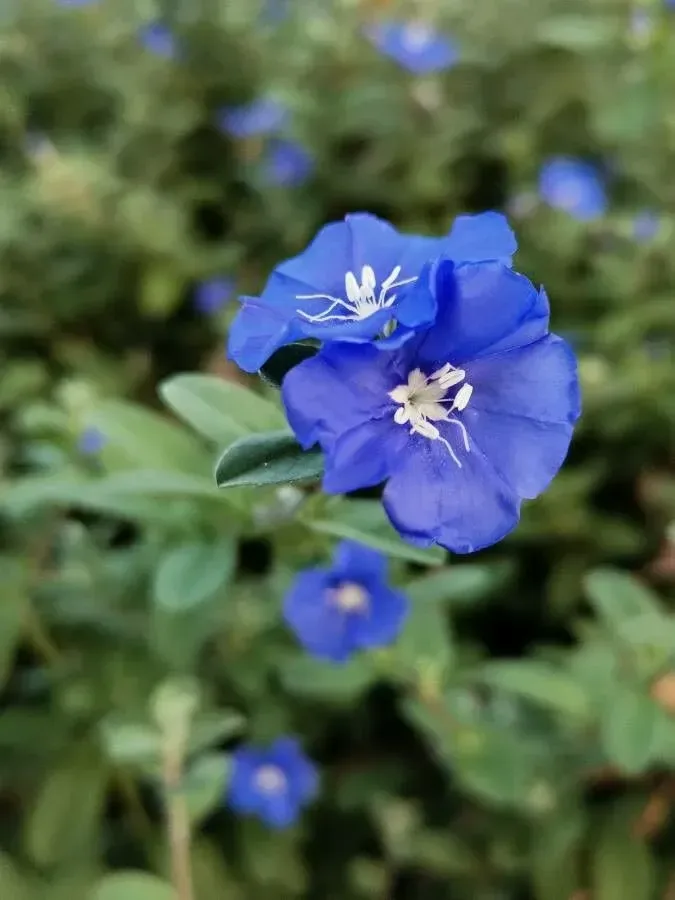
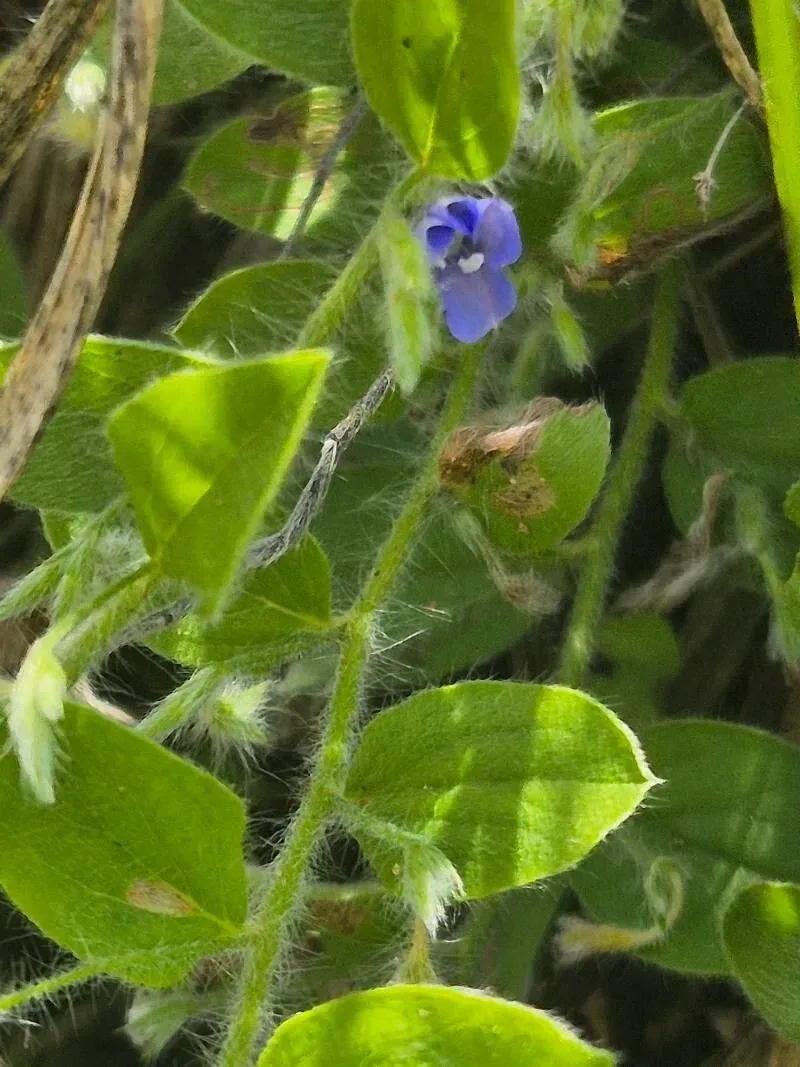
Evolvulus alsinoides
Little Glory शंखावली
Native
Commonly known as Kali-Shankhavali, Jinkifudardi, Dwarf Morning Glory, Slender Dwarf Morning Glory.
No specific wildlife-relationship data recorded for this species.
- Sow seed in pots of seed-starter mix or a sand-and-potting-mix blend, covered with about 1/4 inch of mix.
- Keep moist in a sunny spot at least 65°F; if covering with plastic, uncover daily for 20 minutes to prevent fungal issues.
- Once seedlings have several sets of true leaves, transplant into individual pots and move outdoors once frost risk has passed.
- Commercially: seed is collected October-November, then mechanically scarified (removing the hard seed coat lifts germination to about 80%) and sown 2 seeds per polybag at 0.5cm depth during June-July.
- About 190g of seed covers one hectare.
- Prepare the field as for vegetable growing, apply 10 tonnes/hectare of farmyard manure, and transplant seedlings late July-August at 25x25cm spacing.
- A 5-day irrigation cycle gives the best growth and biomass, adjusted for rainfall.
- It grows well intercropped with pearl millet, guar bean, and moong bean without issue, and faces no serious pests or diseases.
- Weed by hand every 15-20 days.
Ayurveda considers it bitter, pungent, and calming, given in doses of 20-40g to clear bowel movements and ease intoxication; its roots are used for constipation and gout.
- The whole, notably bitter plant is used as an alterative, dewormer, and fever remedy, and taken as an infusion it's considered a particularly reliable treatment for dysentery.
- Combined with cumin and milk, it treats fevers, nervous debility, and memory loss; a decoction treats gonorrhoea, and an oil infusion is applied to promote hair growth.
- Powdered leaves treat sores; leaves rolled into cigarettes are smoked for bronchitis and asthma.
- Research has found the plant shows anti-ulcer activity, and interestingly, cultured tissue of the plant has been found to accumulate ergot alkaloids, compounds related to LSD's chemical family, otherwise best known from a fungus that grows on grain.
These uses are documented for information only and are not medical advice. Always verify the species and the plant part before use.
Probably originally native to tropical and subtropical America, now spread through most dry tropical and subtropical regions worldwide, favouring sandy, open, dry grassland, often on limestone.