-
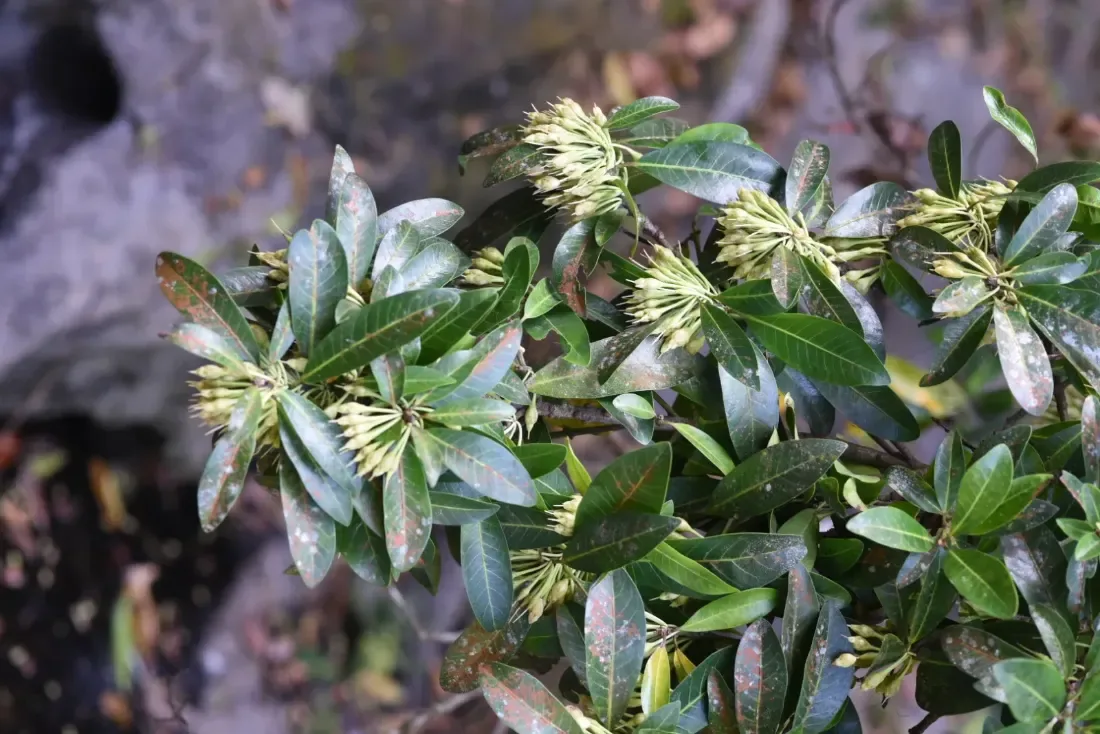
Joseph Thomas_Plantuse
-
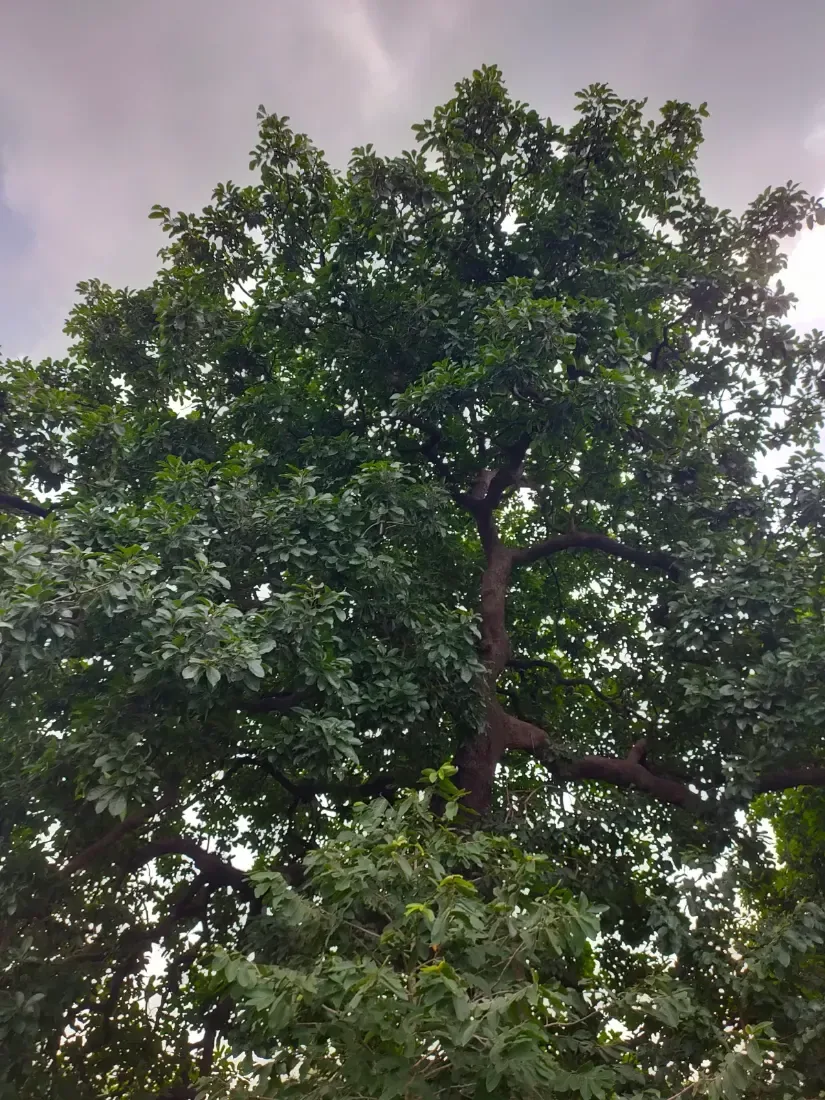
Sonu Kumar_Plantuse
મહુડો
Madhuca longifolia
Mahua गिलौंदा
Native
Commonly known as Indian butter tree.
Several caterpillar species feed on its leaves, while cows, buffaloes, sheep, goats, monkeys, and parrots all eat the fruit.
In Ayurveda, Mahuda is considered nourishing and used to treat everything from worms and fatigue to sores. Its flowers show antibacterial activity against E. coli, and the honey made from them is used to treat eye ailments.
- Mahuda flowers get pressed for oil used in soap-making and cooking, distilled into a strong country liquor with notes similar to Irish whiskey once properly aged, and turned into syrup, jam, and animal feed.
- The oil also has a long list of other jobs: lubricants, candle wax, and even lamp fuel from the fruit.
- The seed cake left after oil extraction doubles as fertiliser and a natural insect repellent, historically used on lawns and even tennis courts.
- The wood is sturdy enough for furniture, boats, and railway sleepers, and in South India the seed coat is used in hair washes alongside shikakai.
These uses are documented for information only and are not medical advice. Always verify the species and the plant part before use.
Found across the plains of India and lower hills up to 1,200m, most common in South India and the Himalayan foothills. In Gujarat, look for it around Rajpipla, Dahod, Dang, and Valsad.