-
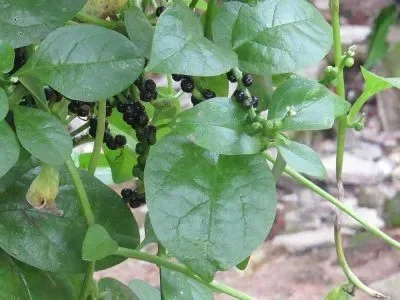
Herwig Mees_Plantuse
-
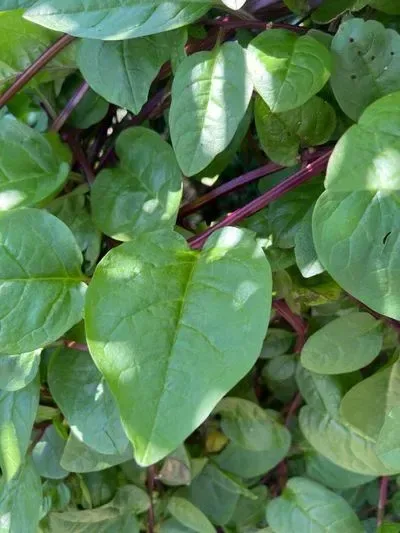
patrick chamand_Plantuse
Habit
Climber, Flowers, Fruits
Origin
Native
Flowering
Summer, Monsoon, Winter
Edible
Yes
Sourcing
Available
Sun
Full sun to part shade
Water
Steady moisture
Drainage
Needs to drain well
Soil
Rich in organic matter
Started from
Seed, Cuttings
Germinates
10–21 days
The berries are a favourite snack of bulbuls and other birds.
- From seed: sow directly where you want it to grow.
- It needs a minimum soil temperature of 18-21°C to germinate and takes 10-21 days; soaking seeds in warm water for 24 hours beforehand speeds this up.
- Once seedlings are big enough to handle, move them into individual pots of rich compost and grow them on quickly, planting out once the last frost has passed.
- From cuttings: stem cuttings about 20cm long root readily and can be taken at any time of year.
In China, a dye made from the red-leaved variety is used in sealing wax and lip colouring.
- The tender stems and leaves are cooked as a vegetable and are genuinely nutritious: about 1.2% protein, decent calcium and iron, plus vitamins A and B.
- The natural mucilage in the leaves makes them a good thickener for soups and stews, a substitute for okra.
- The purplish sap from the fruit is used as a natural food colouring in pastries, especially when a little lemon juice brightens the shade.
- Traditionally the leaf juice is given to children and pregnant women for constipation, and a paste of the leaves is applied to boils and sores.
These uses are documented for information only and are not medical advice. Always verify the species and the plant part before use.
Grown in pots or around homes across India, except the hilly regions. Red-leaved varieties are more common in Bengal, Assam, and South India; green-leaved ones dominate in Punjab and Madhya Pradesh.