-
Dominic Menge
-
Eric Paidjan
-
Manuela Bibrach
-
lenquy
-
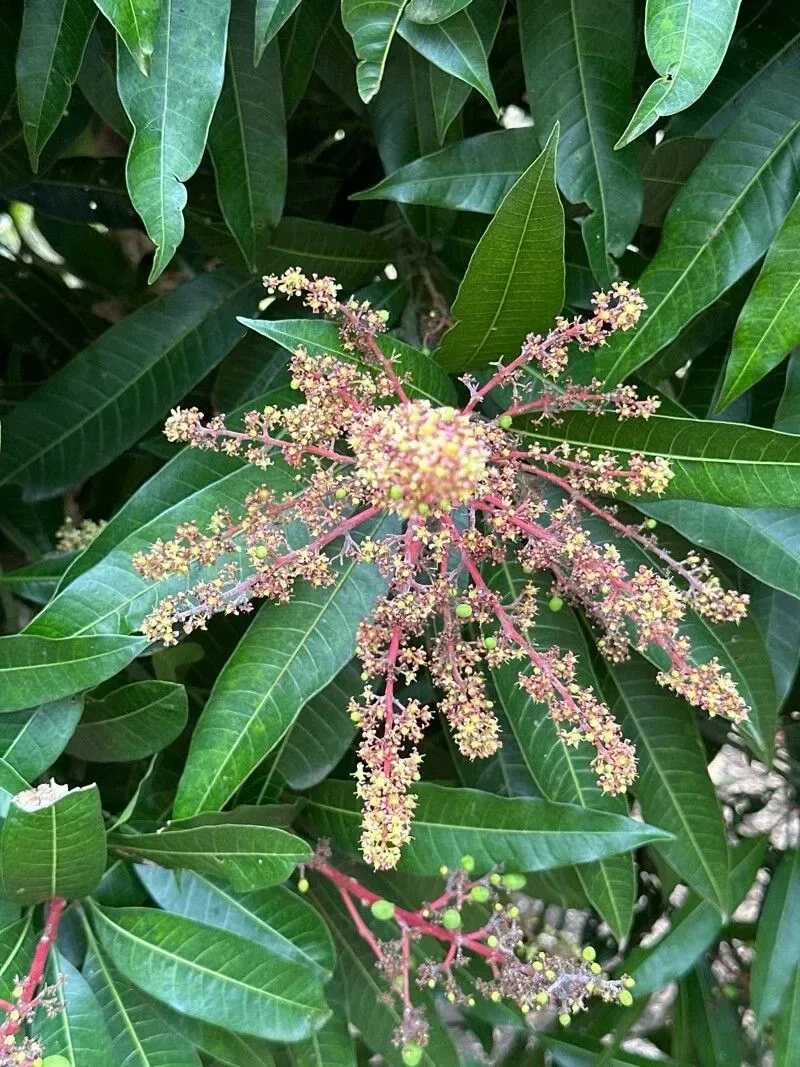
vittu valery
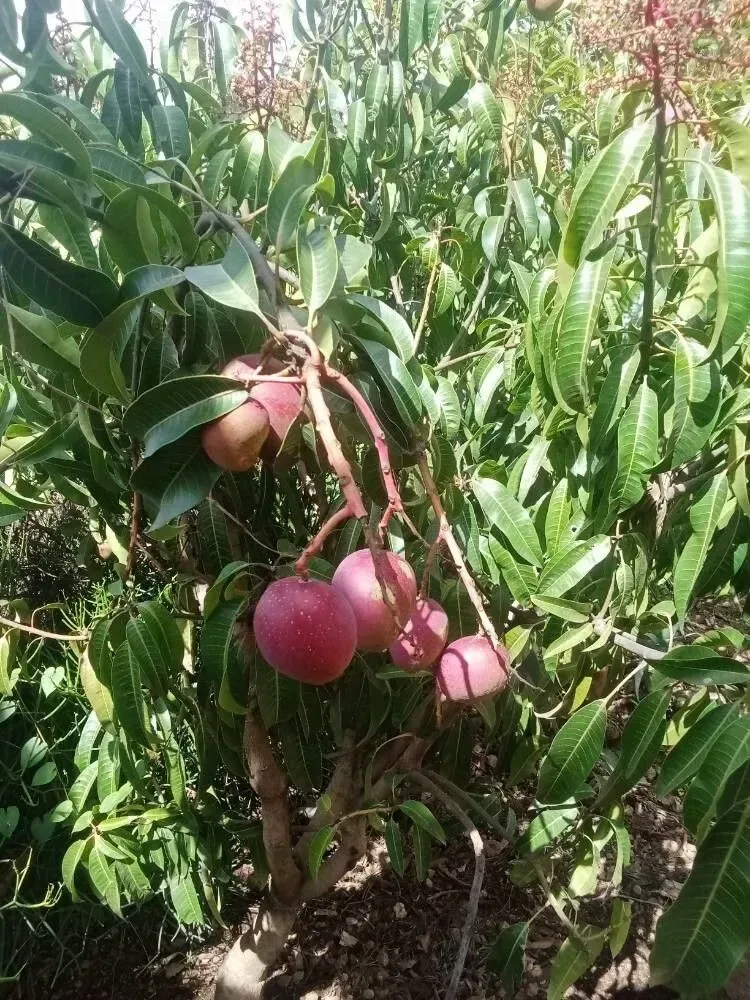
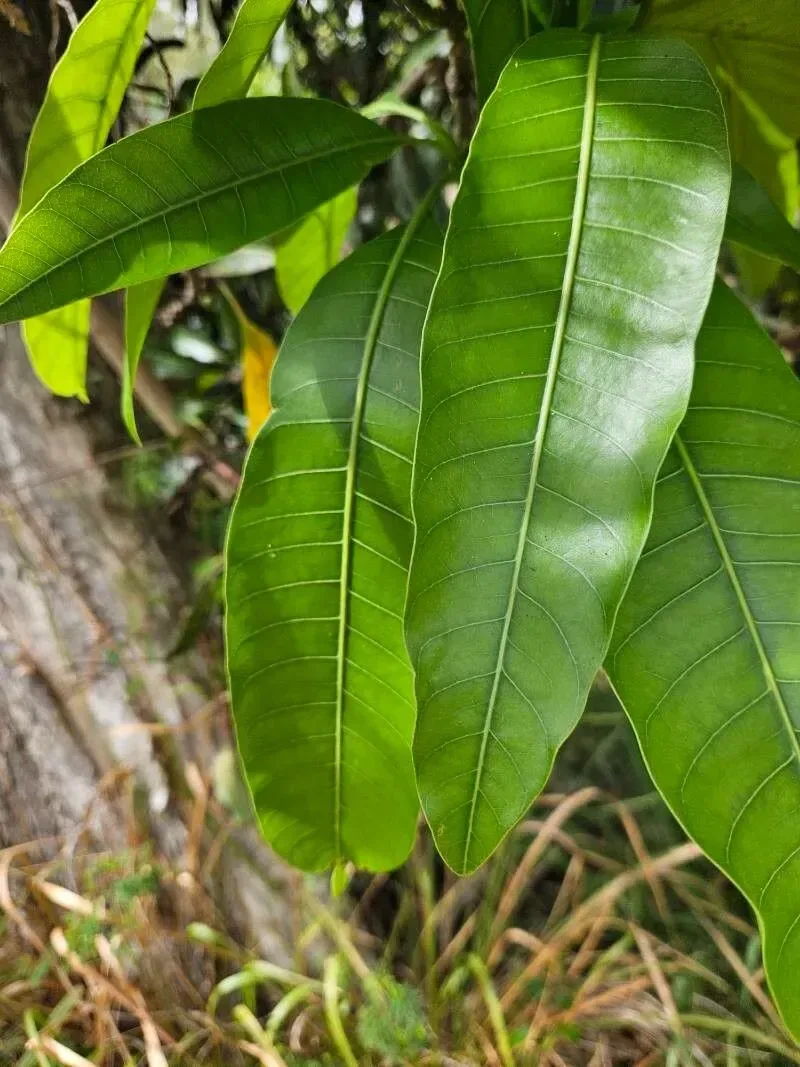
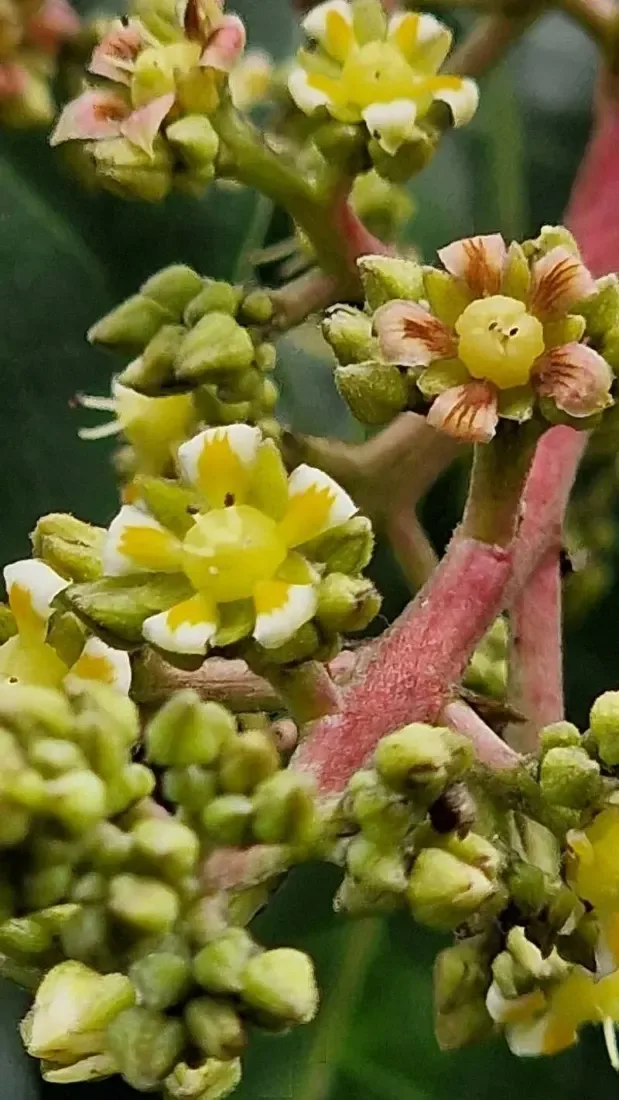
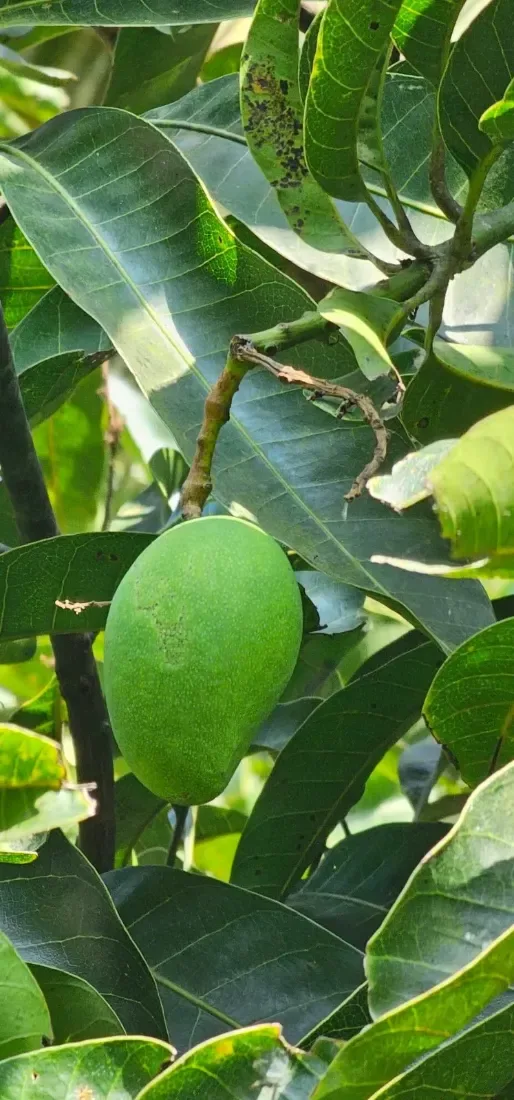
કેરી
Mangifera indica (jungli)
Mango आम
Native
Commonly known as Aambo, Keri, આંબો.
Seed or sapling availableNo specific wildlife-relationship data recorded for this species.
- Sow seed as soon as it's ripe.
- Wash it, dry in shade, and sow about 5cm deep with the convex side facing up.
- Germination takes about 18 days if the seed is peeled first, or 30 days unpeeled.
- Give seedlings some shade as they grow.
- Nursery-bed seedlings transplant easily before the taproot develops much; container-raised seedlings are generally preferable for this reason.
- For named varieties true to type, graft onto polyembryonic rootstock rather than growing from seed.
Mango gardens are named in the Ramayana and Mahabharata, and figure in Sanskrit poetry going back millennia. It appears in sculpture as early as 150 BC. Research suggests the species likely originated in Assam, Myanmar, and Thailand through natural hybridisation of two wild Mangifera species, before spreading to Africa in the 14th century and eventually the Americas.
- The fruit, eaten raw, juiced, or turned into chutneys, jams, and pickles, contains about 15% sugar and significant vitamins A, B, and C.
- Dried unripe mango is ground into amchur powder, a staple souring agent in Indian cooking and a key ingredient of chat masala.
- Seeds are used as a famine food (after removing their astringency by boiling and roasting), and young leaves are cooked as a vegetable.
- Medicinally, leaves lower blood pressure and treat asthma and coughs; bark is used for haemorrhage and diarrhoea; seeds treat colds, diarrhoea, and scorpion stings; and the fruit itself is considered antiscorbutic (vitamin-C rich, protecting against scurvy) and good against dysentery.
These uses are documented for information only and are not medical advice. Always verify the species and the plant part before use.
India, Myanmar, Thailand, China, and Malaysia.