-
Plantuse.org
-
-
આસોપાલવ
Polyalthia longifolia Monoon longifolium
Mast tree
Native
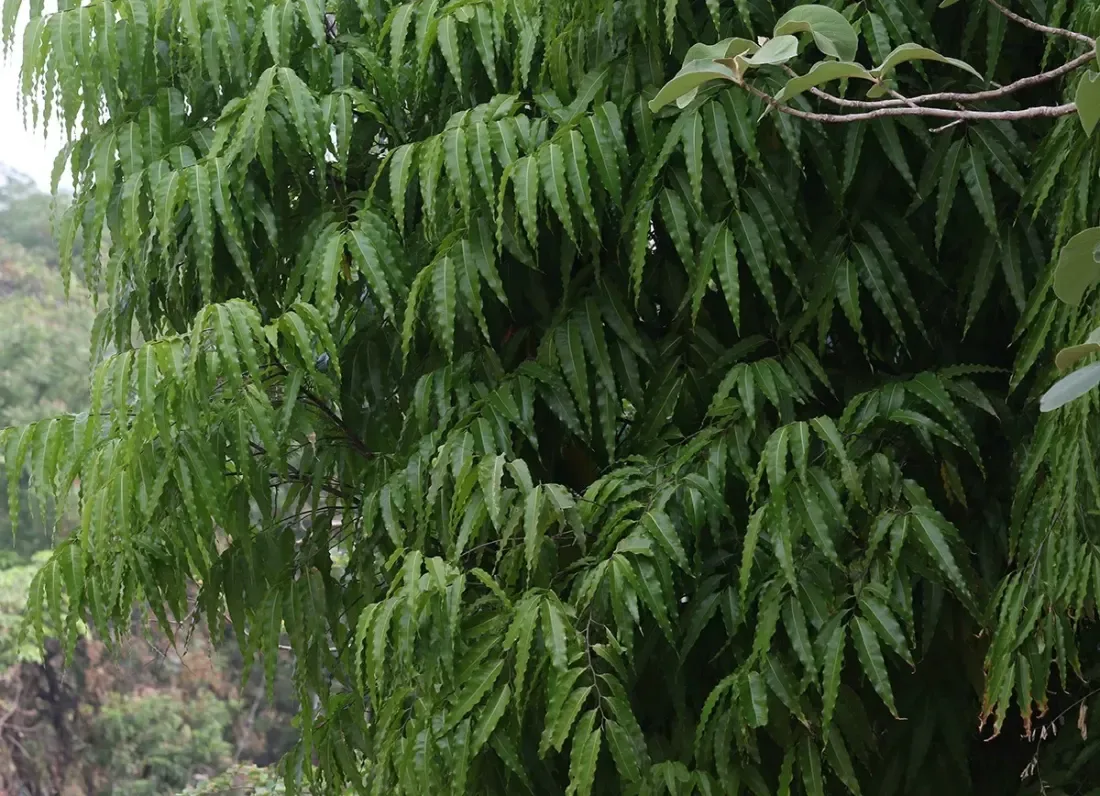
Commonly known as Mast-Tree, False Ashok, Asopalav.
Habit
Tree
Origin
Native
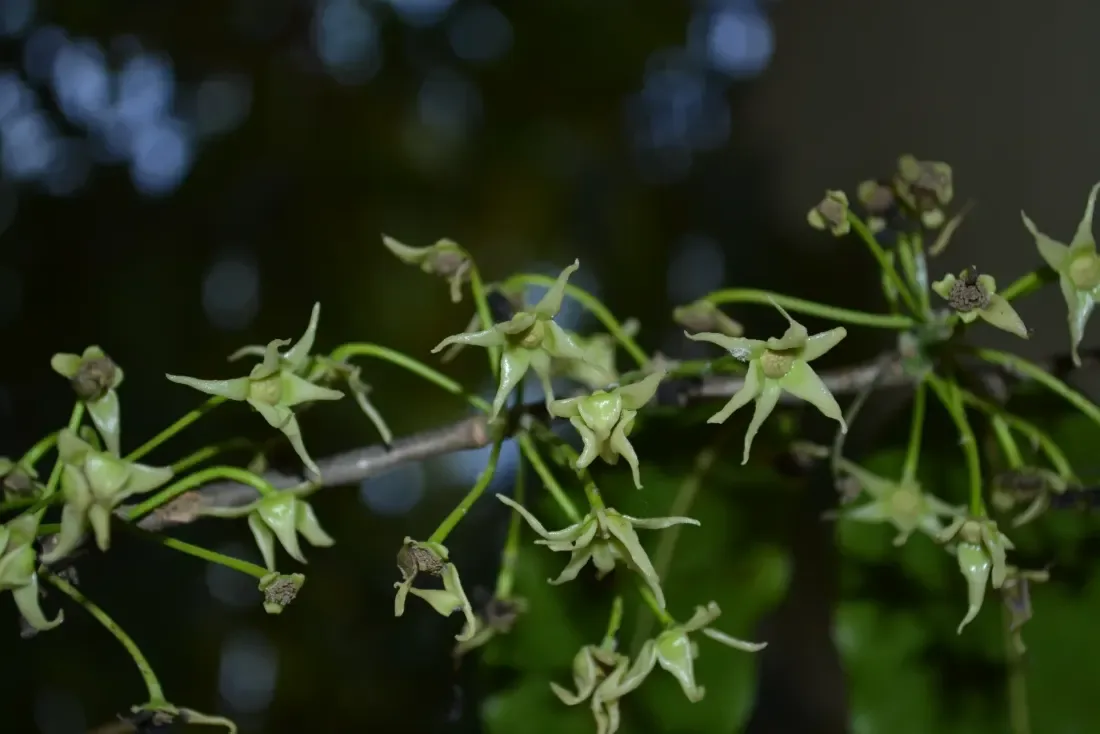
Flowering
Summer
Edible
No, To be verified
Sow
July–August
Started from
Seed
No specific wildlife-relationship data recorded for this species.
Held in high regard by Hindus, often planted near temples, though Ayurveda notes its qualities are considered quite different from the true Ashoka tree despite superficial similarity.
- Historically its straight, tall stem was used for ship masts.
- The bark is a fever-reducer and has been used as a substitute for Ashoka bark; an aqueous extract of it stimulates intestinal and uterine tissue, lowers blood pressure, and affects heart rate and breathing.
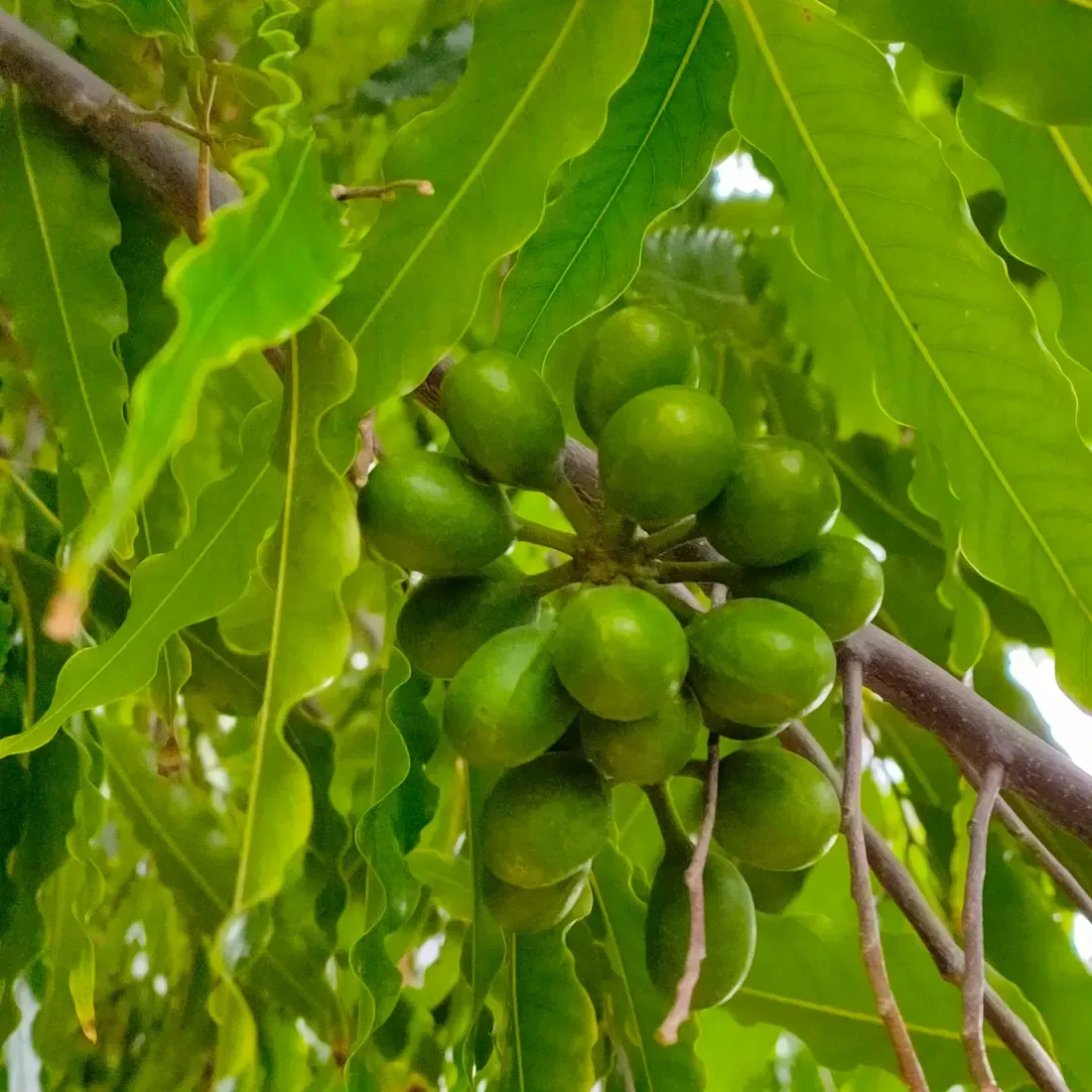
- The fruit is edible in times of scarcity.
These uses are documented for information only and are not medical advice. Always verify the species and the plant part before use.
Native to arid regions of Sri Lanka; widely grown in parks and avenues across India.