-
Kobita Dass Kolli
-
Plantuse
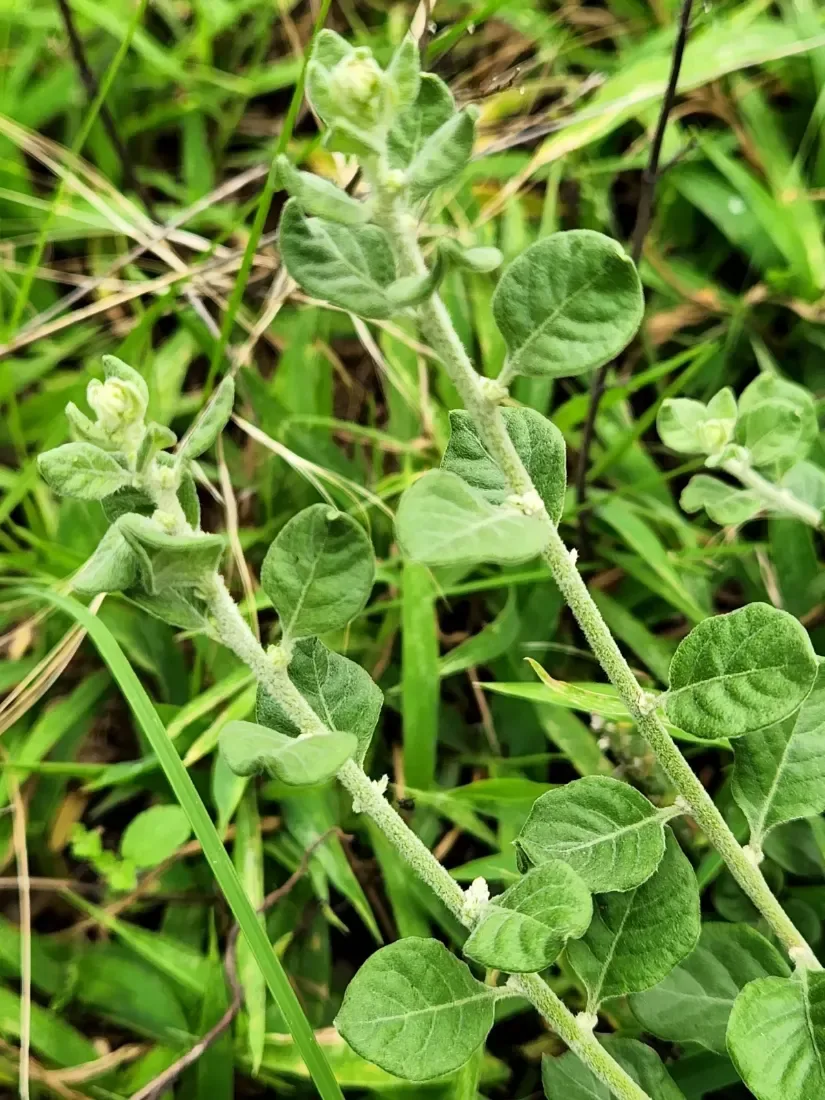
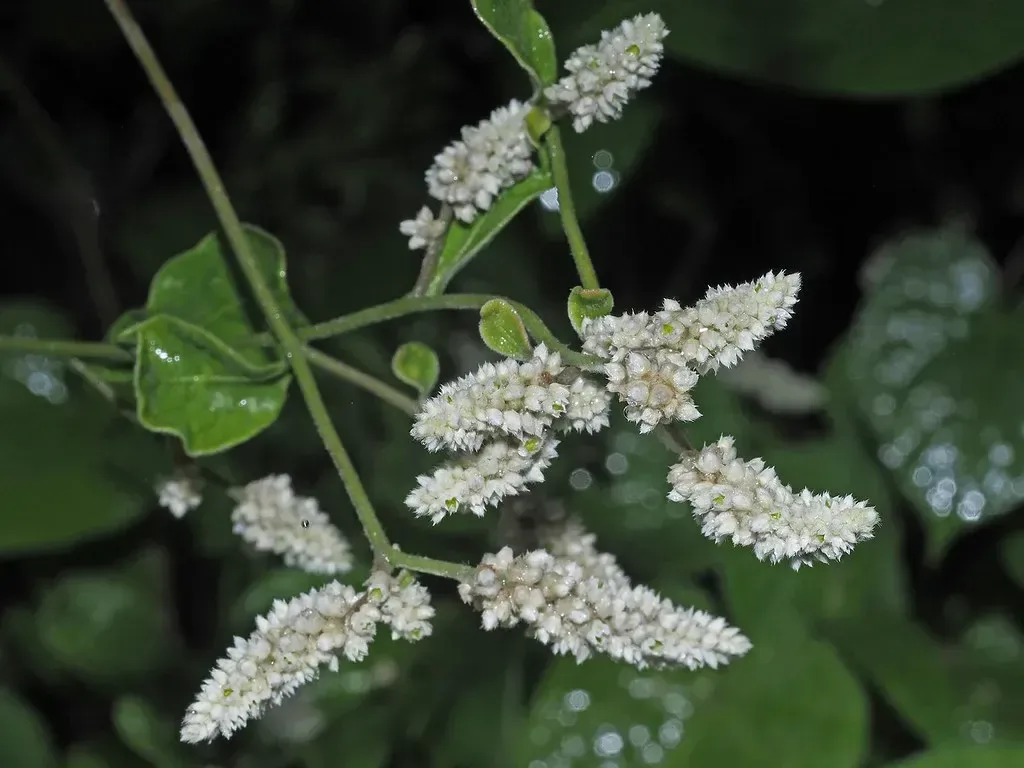
Mountain knotgrass
Aerva lanata / Ouret lanata
छोटी बुइ
Native
Commonly known as Gorakhdi, Sani Bur, Kapurimadhuri, Polpola.
Habit
Herb
Origin
Native
Flowering
Winter
Edible
Yes
No specific wildlife-relationship data recorded for this species.
No cultural-significance data recorded for this species.
- Leaves are cooked and eaten like spinach; young shoots go into curries in India, and both are a reliable famine food.
- A decoction is considered highly effective against bladder catarrh and gonorrhoea, and is described as one of the best-known remedies for kidney and bladder stones, Ayurvedic practice recommends taking it for a few days to help dissolve stones and clear the urinary tract.
- Leaves steeped in hot water are applied to swellings, and juice from crushed leaves is applied to the eyes.
- Roots treat headache, work as a demulcent and cough remedy, and are used for snakebite and constipation.
These uses are documented for information only and are not medical advice. Always verify the species and the plant part before use.
Widespread across the tropics and subtropics of Africa through Asia to the Philippines and New Guinea.