-
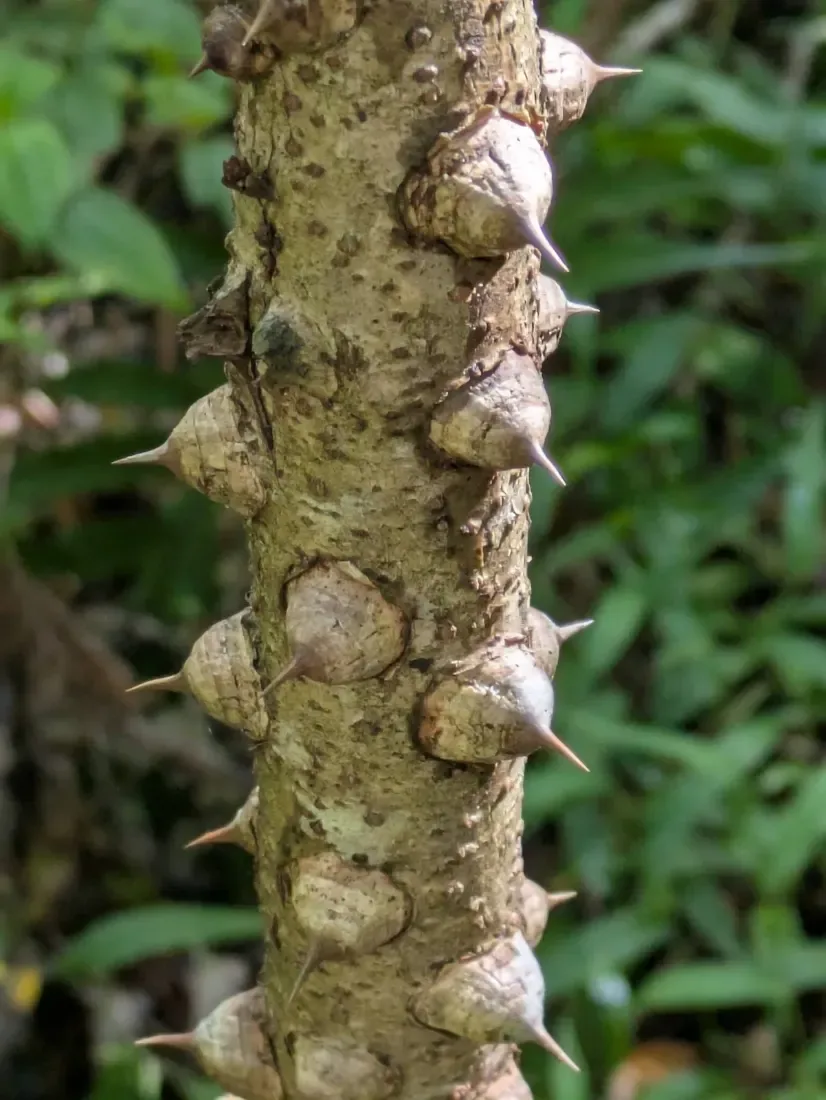
Kevin Faccenda
-
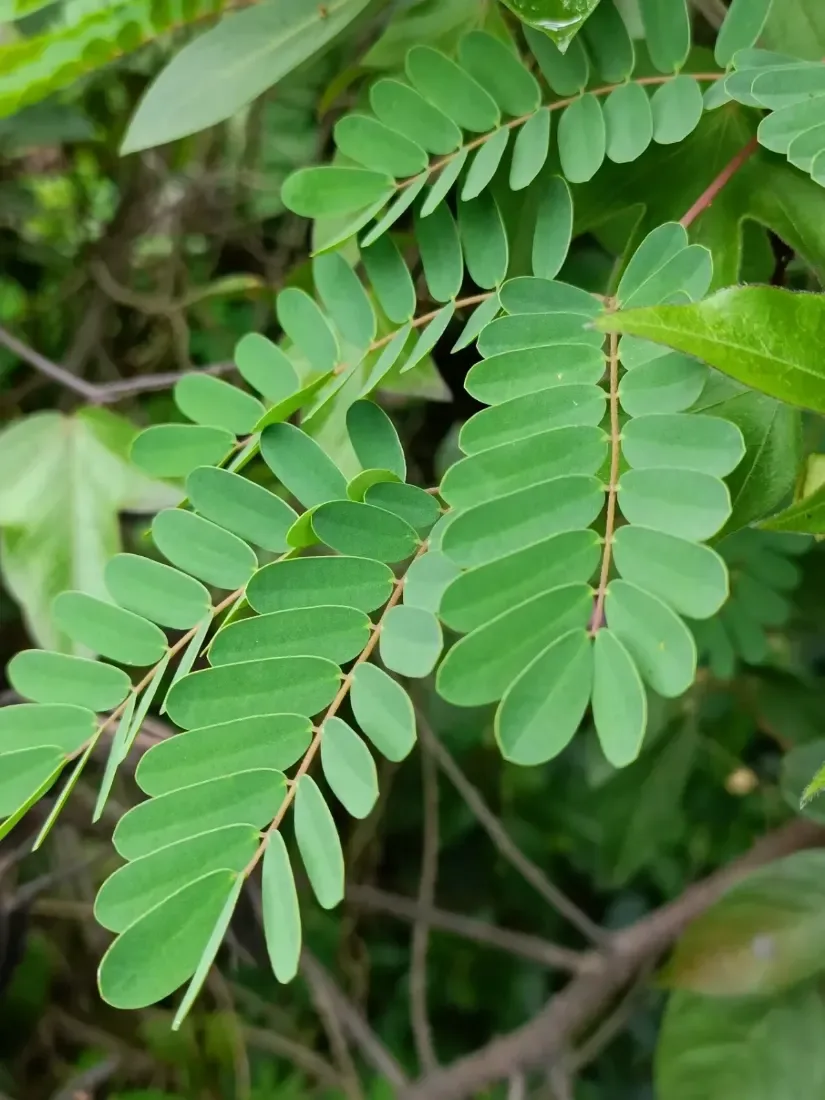
Maarten Vanhove
-
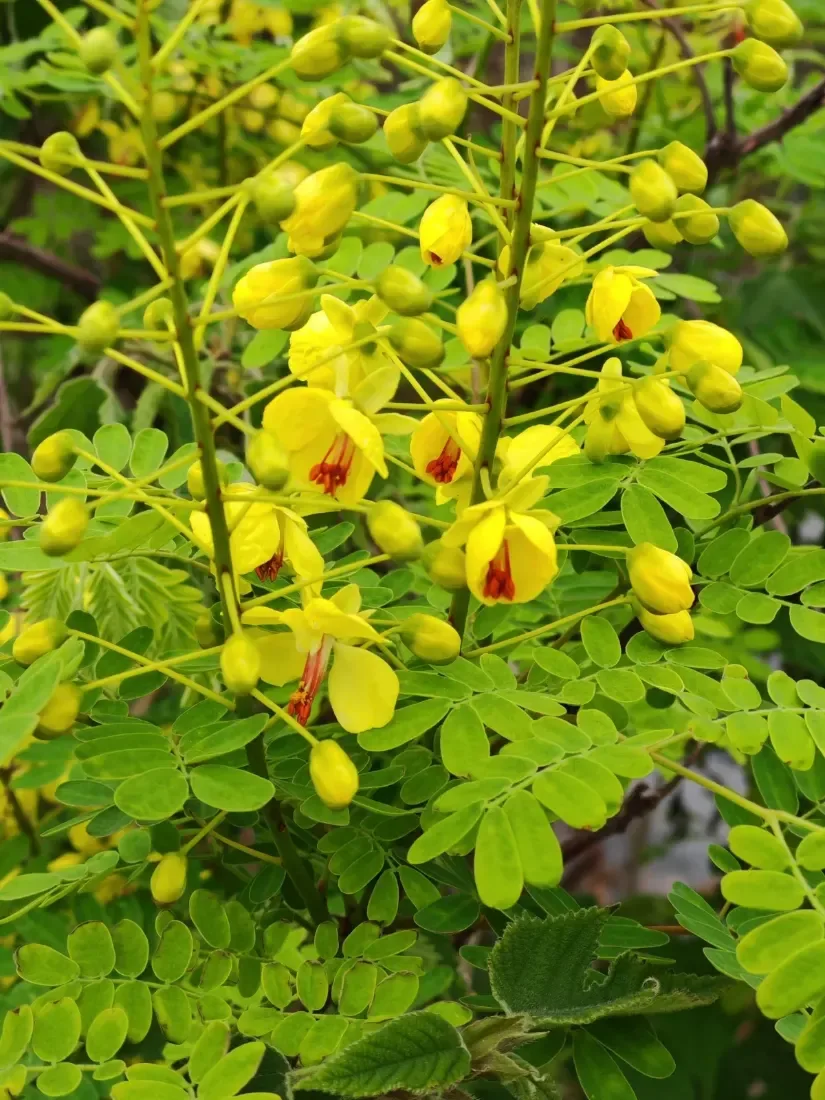
Serica_qfs
કચકા
Caesalpinia decapetala
Mysore thorn अरलू
Native
Commonly known as Black bonduc, Shoofly.
Habit
Climber, Shrub
Origin
Native
Flowering
Summer, Winter
Edible
Yes, To be verified
No specific wildlife-relationship data recorded for this species.
Ayurveda considers it astringent, bitter, and hot, used against phlegm, colic, swelling, dysentery, ulcers, leprosy, and worms, and specifically valued for tuberculosis, dysentery, flatulence, and blood clots in children.
- A paste made with the plant is traditionally given to help digest milk and prevent bloating; its bitterness is credited with providing strength during fatigue, mild fever, and weakness after childbirth, and it's traditionally believed to help expel retained material from the uterus post-delivery.
- Leaf juice and root bark are used against worms and diarrhoea.
These uses are documented for information only and are not medical advice. Always verify the species and the plant part before use.
Tropical regions of India, Myanmar, and Sri Lanka, mainly along the coast and up to 750m.