-
Dr. Pramod Chaudhari
-
Karen Bonaire
-
Serge Garnier
લીમડો
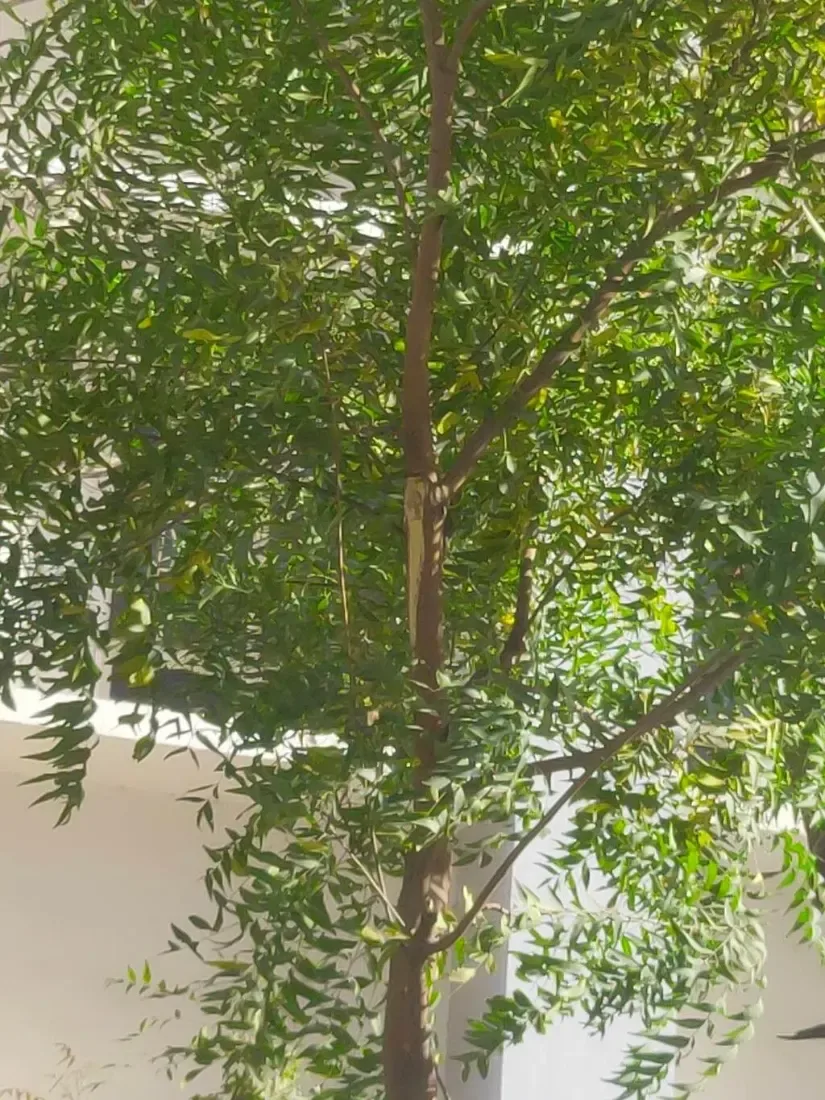
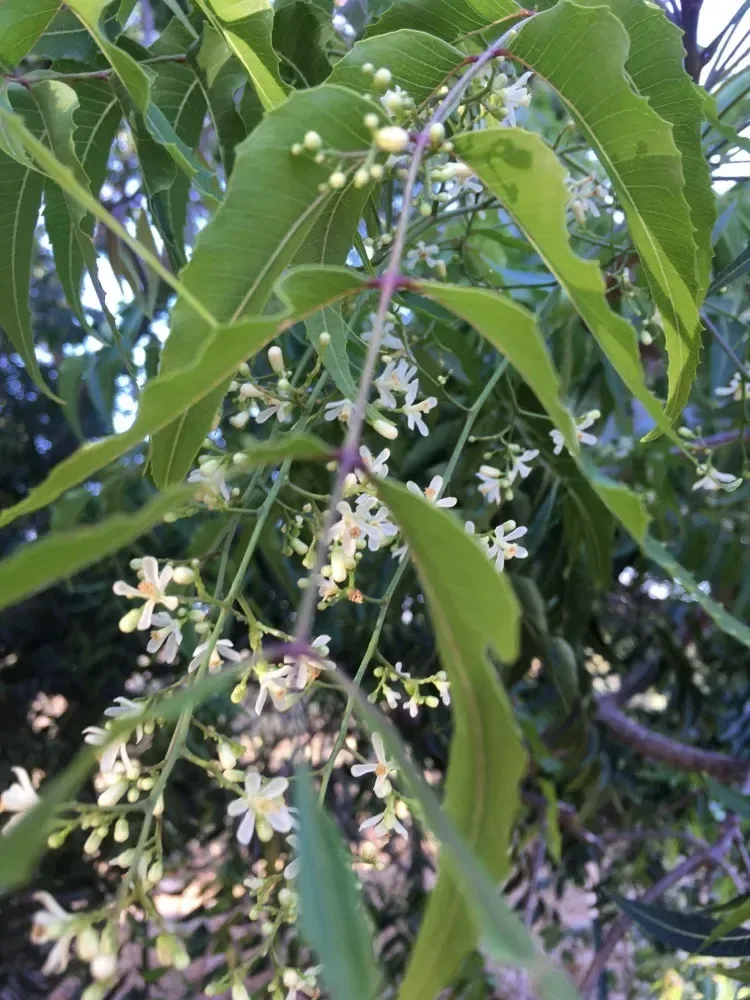
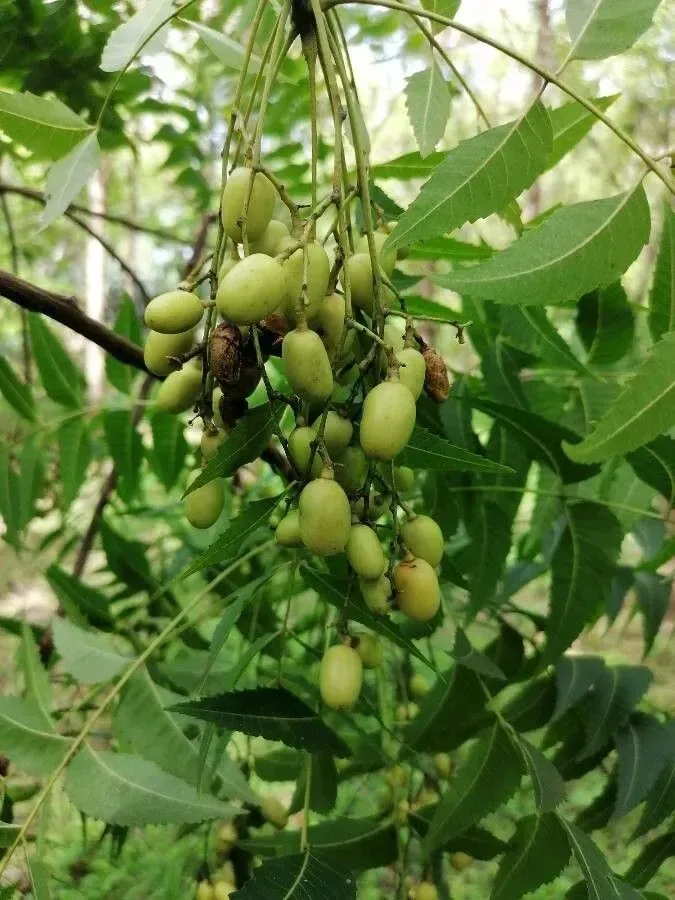
Azadirachta indica
Neem नीम
Naturalised Native
Commonly known as Margosa, Indian lilac, Nimbay, Pichumarda, The Neem Tree.
Seed or sapling availableNo specific wildlife-relationship data recorded for this species.
- Best sown as soon as the seed is ripe; it doesn't need pre-treatment, though cleaning the pulp off first improves germination noticeably.
- Sow in a nursery bed, direct in the ground, or in containers, covered with about 1cm of compost.
- Mature seed germinates within a week at 75-90%.
- Pot up seedlings once they reach about 5cm tall.
- Can also be propagated by air-layering or root cuttings.
No cultural-significance data recorded beyond its extensive Ayurvedic medicinal use, described above.
- Fresh or cooked fruit is eaten as a dessert or brewed into a lemonade-style drink; young leaves and flowers, though bitter, are eaten as a pre-meal appetiser.
- Neem contains meliacins, triterpenoid bitters, tannins, and flavonoids, making it a detoxicant, fever-reducer, and antiparasitic in Ayurvedic medicine.
- Leaf teas treat malaria, ulcers, and intestinal worms; seed oil is a strong antifungal and antiseptic; and twigs are traditionally chewed as toothbrushes, effective enough that dentists recognise their gum-health benefits.
- Neem oil is also used as an inexpensive natural spermicide for birth control, and neem cake (the leftover after oil extraction) doubles as organic fertiliser that also suppresses soil pests like nematodes and fungi.
These uses are documented for information only and are not medical advice. Always verify the species and the plant part before use.
Native across India, Bangladesh, and Myanmar. Occurs 'wild' in the Shivalik hills and dry forests of Andhra Pradesh, Tamil Nadu, and Karnataka, and is widely cultivated across India, especially in drier regions.