-
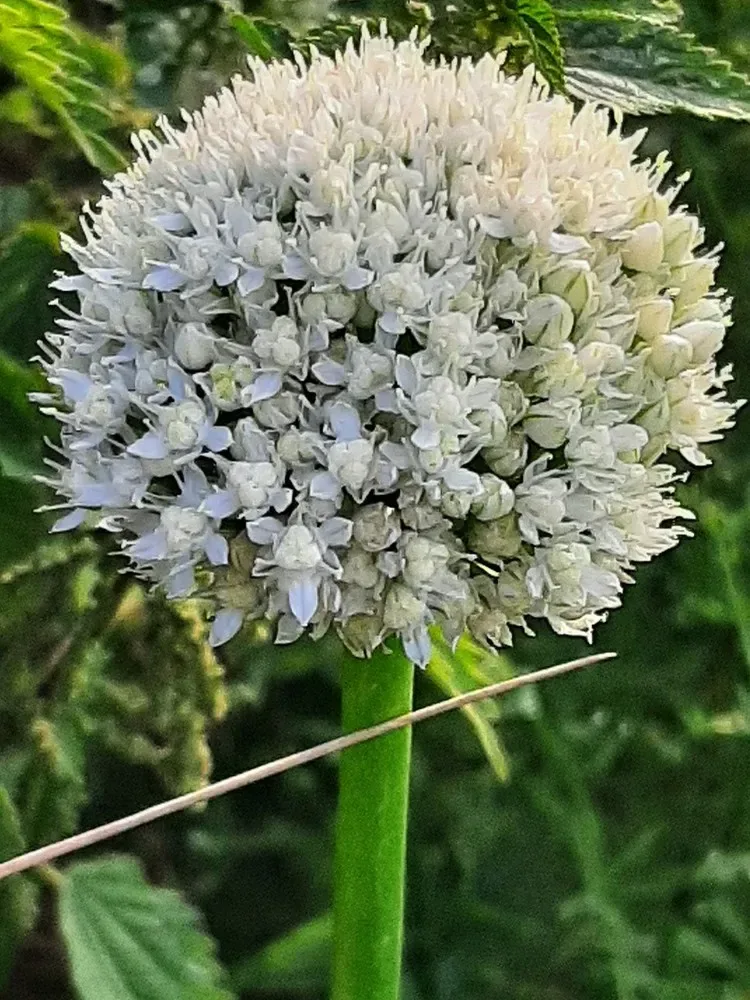
Bert van Broekhoven
-
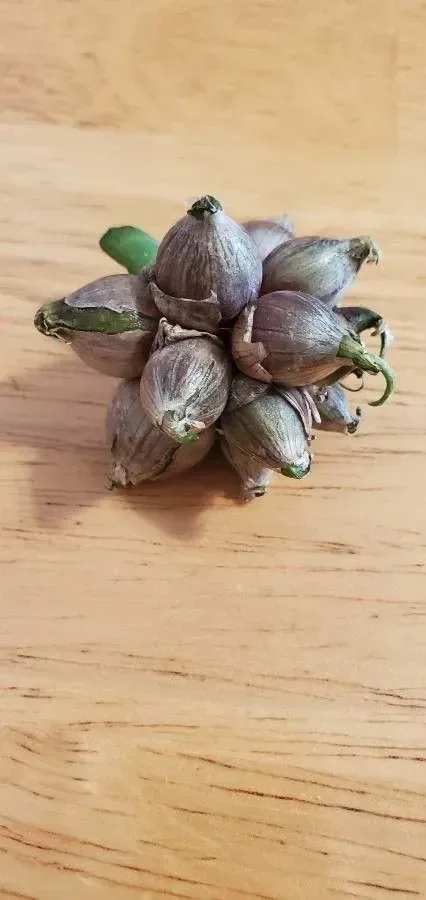
Eleanor Draper
-
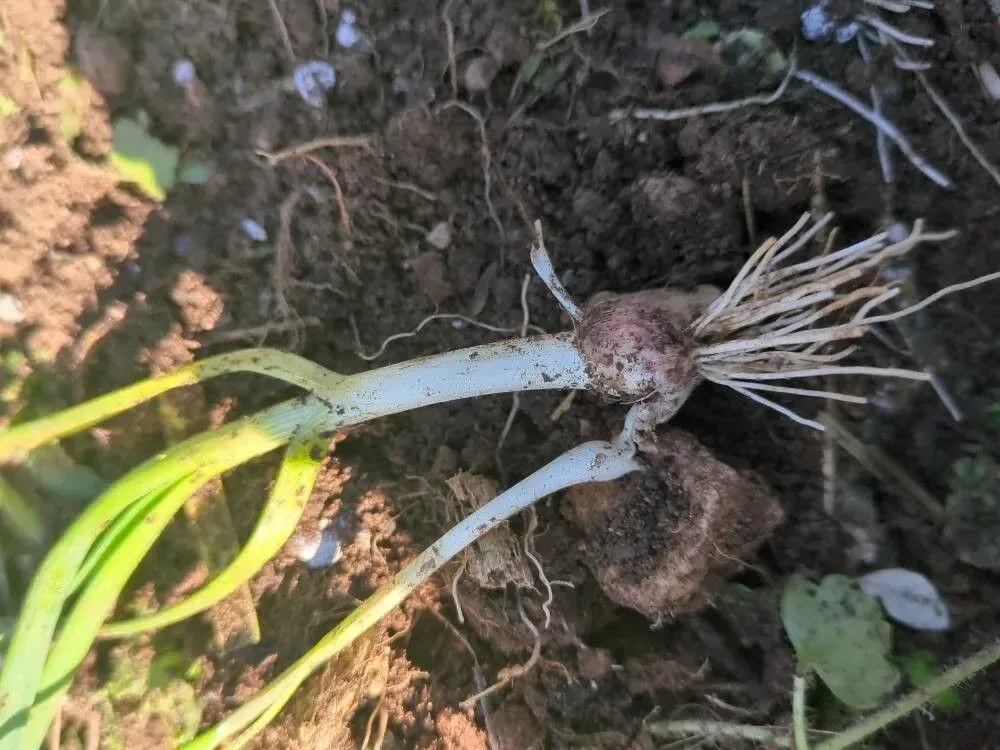
chevreve
-
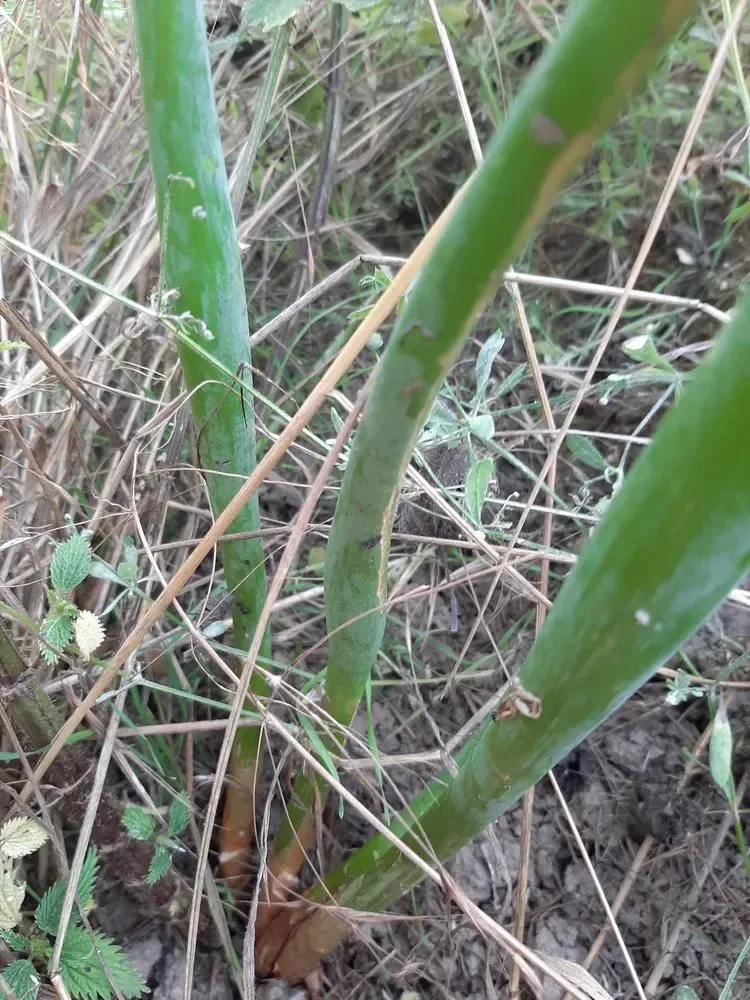
Bert van Broekhoven
ડુંગળી
Allium cepa
Onion प्याज़
Native Naturalised
Habit
Vegetables
Origin
Native, Naturalised
Flowering
Summer, Winter
Edible
Yes
Sun
Full sun
Water
Steady moisture
Drainage
Needs to drain well
Soil
Rich in organic matter
Started from
Seed
Germinates
5–7 days
Flowers, if allowed to bolt, provide nectar and pollen to insects; seeds feed granivores.
- Prepare a mixture of garden soil and good-quality compost and fill a seedling tray.
- Sow onion seeds 1/4-1/2 inch deep and cover with a thin layer of the soil mixture.
- Gently spray water so you don't wash the seeds away.
- Cover the tray with plastic to keep humidity up and place it in a warm, shaded spot.
- Keep soil moist but not soggy.
- Seeds germinate in 5-7 days.
- Remove the cover and let plants grow to 5-6 inches, then transplant into a sunny spot with 2-3 inches between plants.
- Trim leaves back by up to 50% so the bulb settles in and grows well.
- Add liquid fertiliser every week, watering thoroughly to keep moisture in the soil.
- You can harvest spring onions and onion leaves after 15-20 days, and full-sized onions after 45-60 days.
A foundational ingredient in Indian cooking and many regional cuisines.
- The bulb, green leaves, and spring onion form are all used, fresh, cooked, pickled, and dried.
These uses are documented for information only and are not medical advice. Always verify the species and the plant part before use.
Widely cultivated throughout India, including Gujarat.