-
Malvaceae
-
malvaceae 1
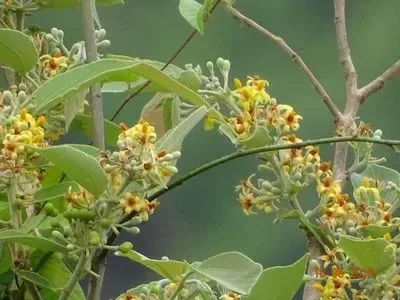
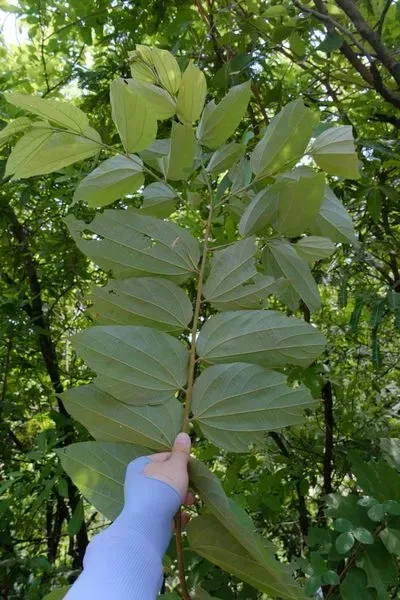
ફાલસા
Grewia asiatica
Phalsa फालसा
Native
Commonly known as Falsa.
No specific wildlife-relationship data recorded for this species.
- Seed needs no pre-sowing treatment, but fresh seed gives the best (minimum) germination and takes 15-20 days.
- Layering also works.
- Cuttings in open ground give poor results, but under closed, humid conditions with hormone treatment they do better.
Ayurveda describes both raw and ripe fruit in detail: raw fruit as sharp and wind-relieving, ripe fruit as sweet, cooling, and heart-tonic, used in treating miscarriage-related conditions, burns, and bile disorders.
- The fruit is eaten raw, preserved, or made into sherbet and refreshing drinks.
- It's considered cooling and is used to ease thirst and burning sensations, address biliousness, and treat fevers and heart and blood-related conditions.
- A leaf paste treats pustular skin eruptions; a stem bark infusion treats diarrhoea and urinary trouble; and the root bark is used for rheumatism.
- Research has found the fruit extract shows radioprotective activity against gamma-radiation exposure.
These uses are documented for information only and are not medical advice. Always verify the species and the plant part before use.
Grows wild in the hilly areas of North India, Rajasthan, Madhya Pradesh, Punjab, Bihar, West Bengal, and the Malabar region of South India. Small-scale cultivation exists in Ahmedabad, Bhavnagar, and Kutch districts of Gujarat.