-
Plantuse
-
Plantuse
-
Plantuse
-
Theo Kiewiet
શીમળો
Bombax ceiba
Red silk cotton tree
Native
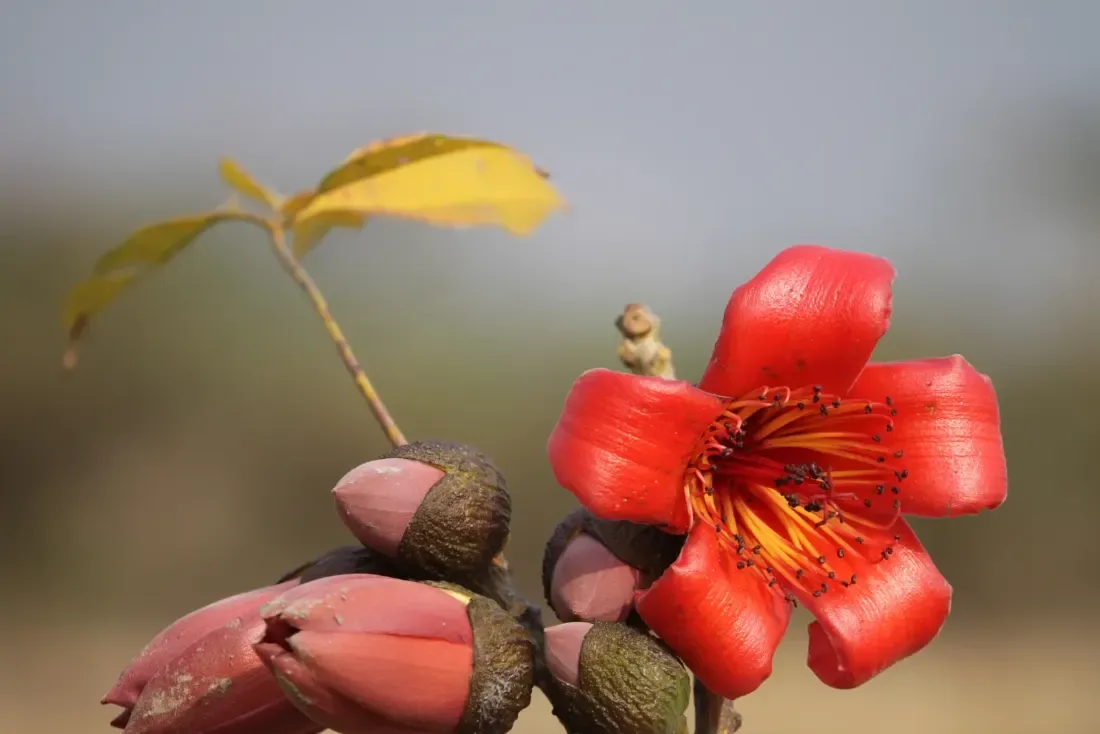
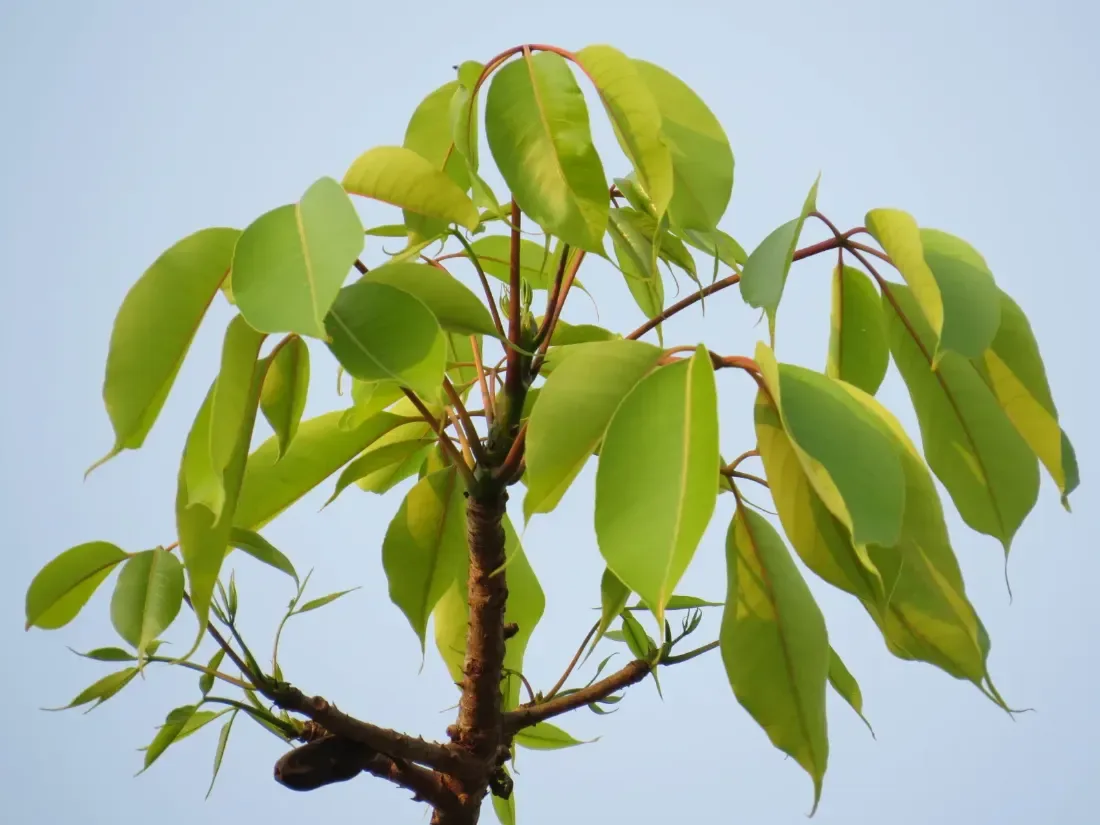
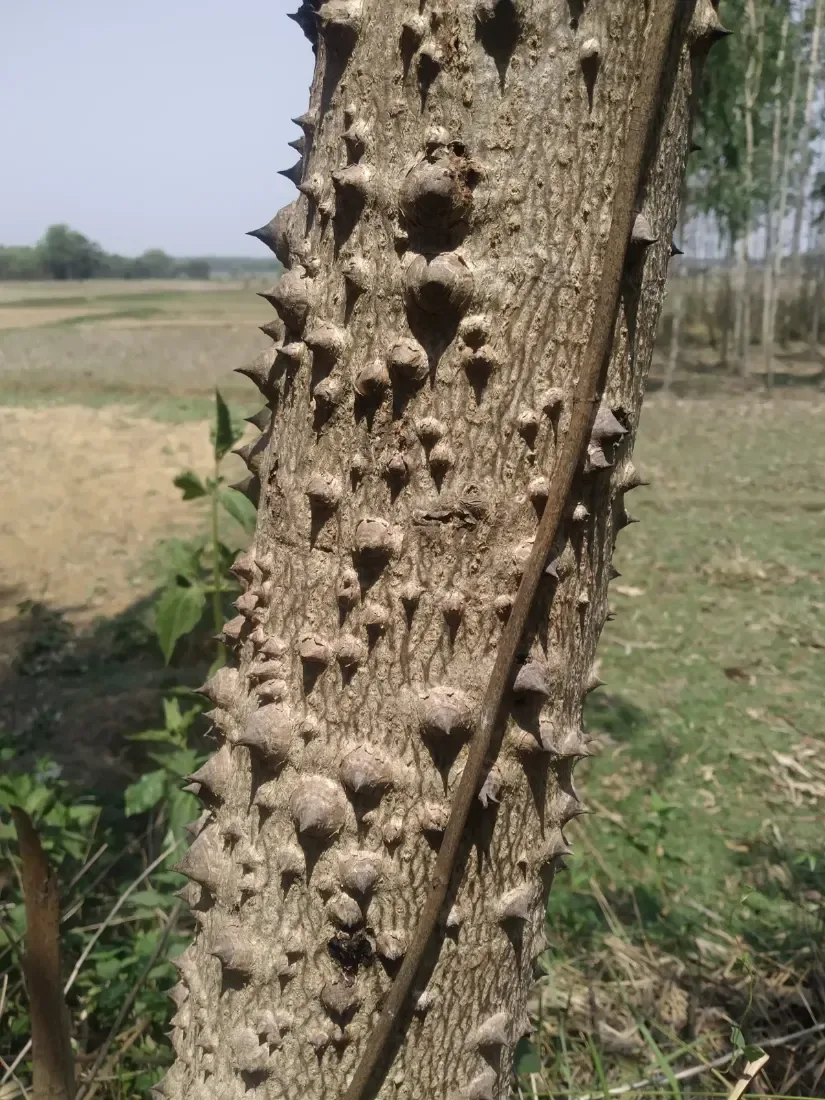
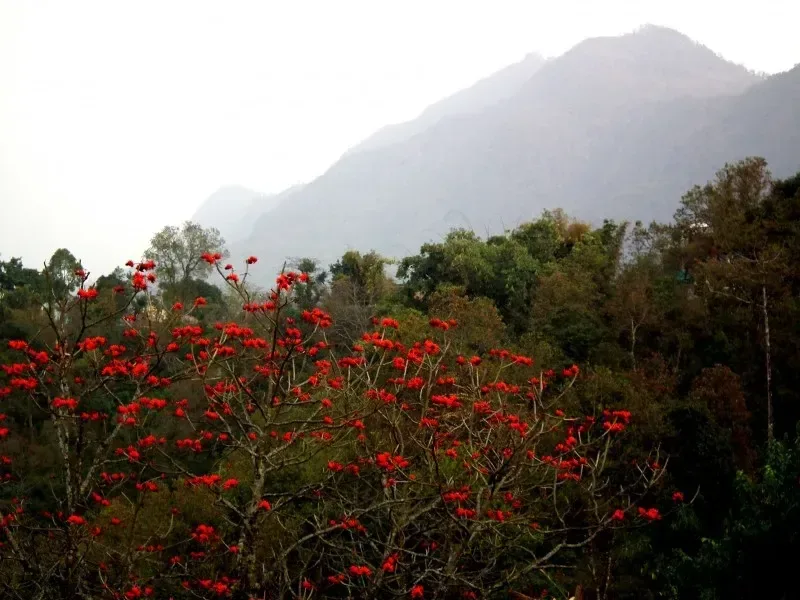
Commonly known as Red-Silk Cotton, Silk Cotton Tree, Malabar Semul, Red Kapok Tree, Shimlo.
No specific wildlife-relationship data recorded for this species.
- Sow seed fresh, without pre-treatment, for a high germination rate; if seed has dried somewhat, soaking for 12 hours first helps.
- Sow in a sunny position, in situ or in nursery beds, sprouting takes 10-25 days.
- Transplant seedlings once they reach about 5cm tall into individual containers, and plant out around 12 months later.
- Half-ripe wood cuttings are another option.
Ayurveda describes the tree (called Shalmali) as cooling, sweet, and rejuvenating, its gum (Mocharas) especially valued as astringent, colour-enhancing, and useful for dysentery, diarrhoea, and blood disorders.
- Flower buds and the calyx of unopened flowers are a valued curry vegetable, and young leaves are also cooked and eaten.
- Ripe seeds are roasted, seed oil is extracted, and young roots, rich in starch, are eaten raw or roasted.
- Flowers are astringent and cooling, used for skin troubles; young roots are diuretic and tonic, treating cholera, tubercular fistula, cough, urinary complaints, and impotency.
- Gum from the tree treats dysentery, coughing blood in tuberculosis, influenza, and heavy menstrual bleeding.
- Leaves are used to lower blood pressure and blood sugar, and, combined with various other plants in specific traditional formulas, treat enlarged spleen, oedema, and foot corns.
- Bark is considered aphrodisiac and is used against cholera, pleurisy, stings, and toothache, and in bandages for fractures.
These uses are documented for information only and are not medical advice. Always verify the species and the plant part before use.
Southern China, the Indian subcontinent, Myanmar, Thailand, Laos, Vietnam, Malaysia, Indonesia, and the Philippines through to Papua New Guinea and Australia, in hot, dry river valleys and humid lowland forest.