-
-
Plantuse
-
Stephanie McFarlane
-
lin63428
વરુણ
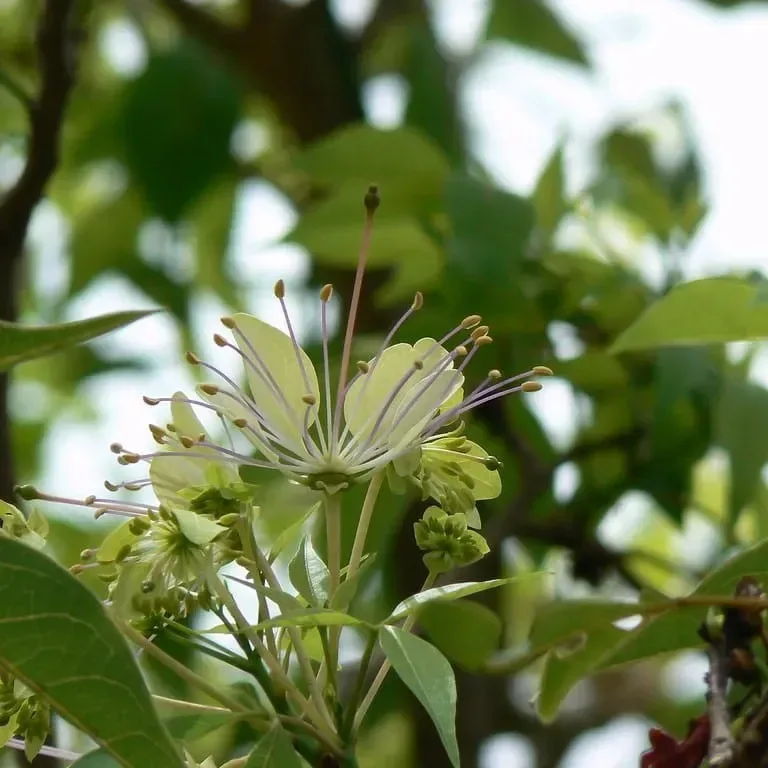
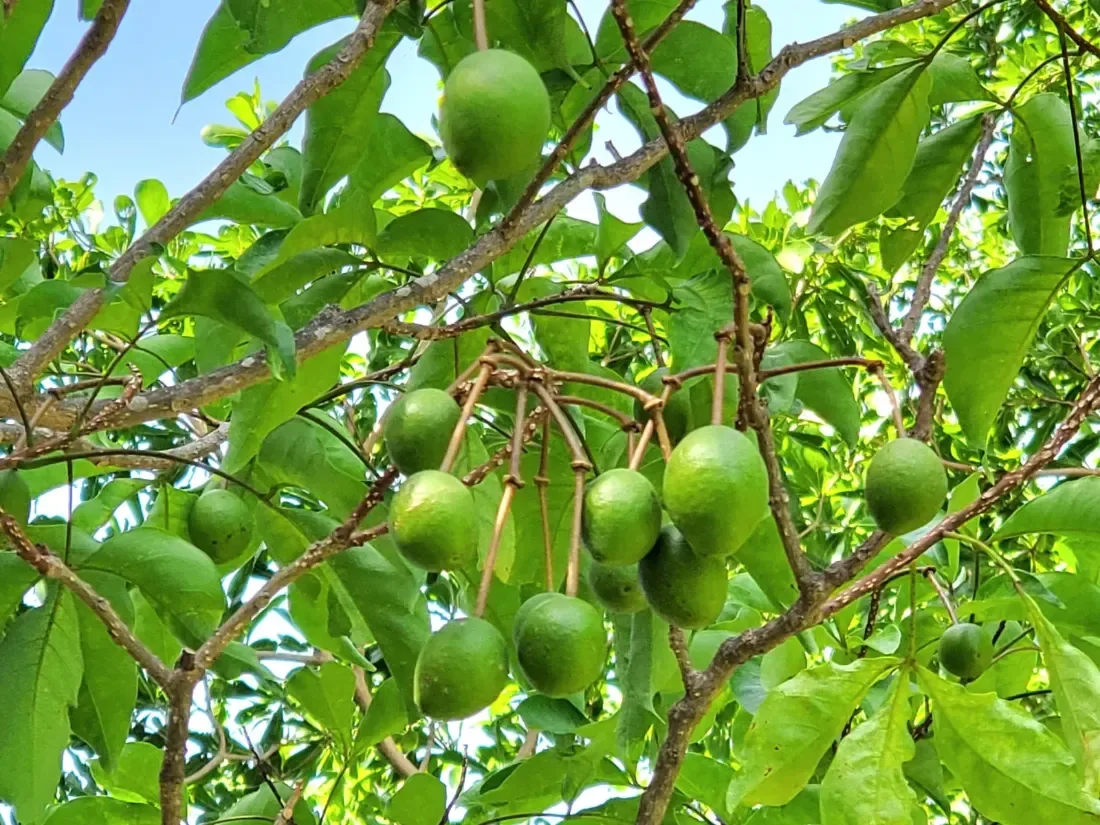
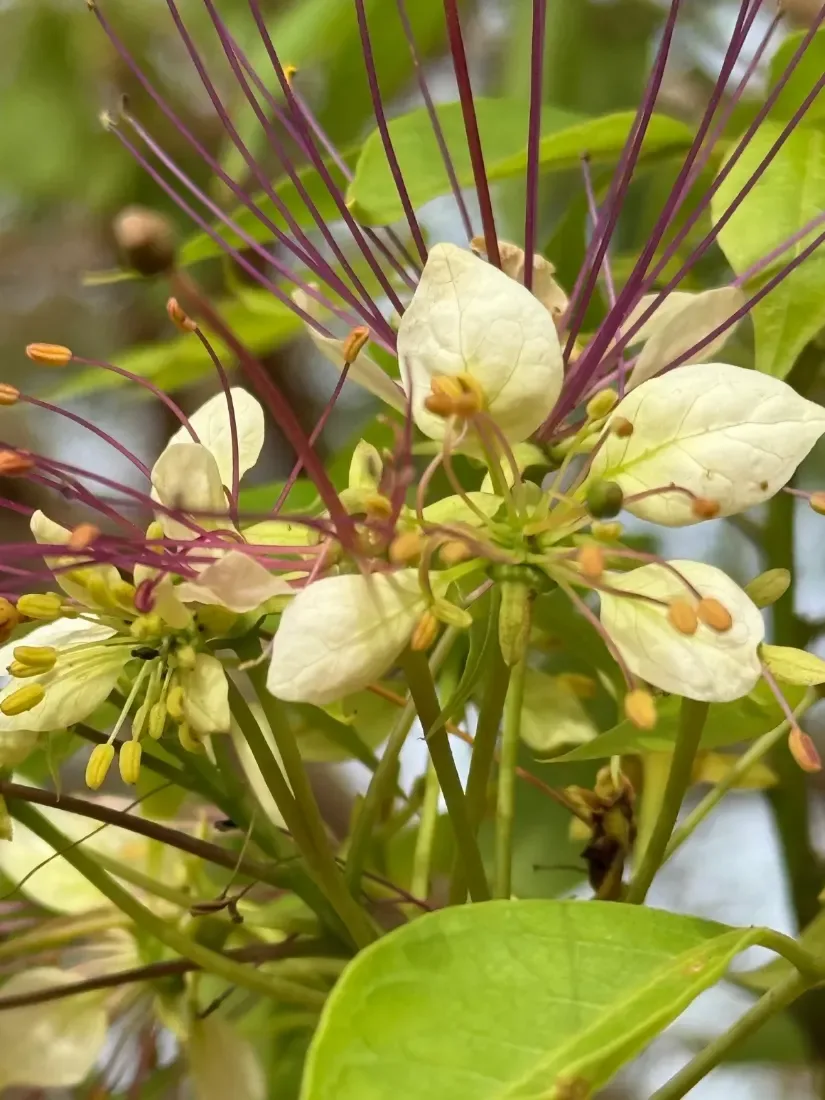
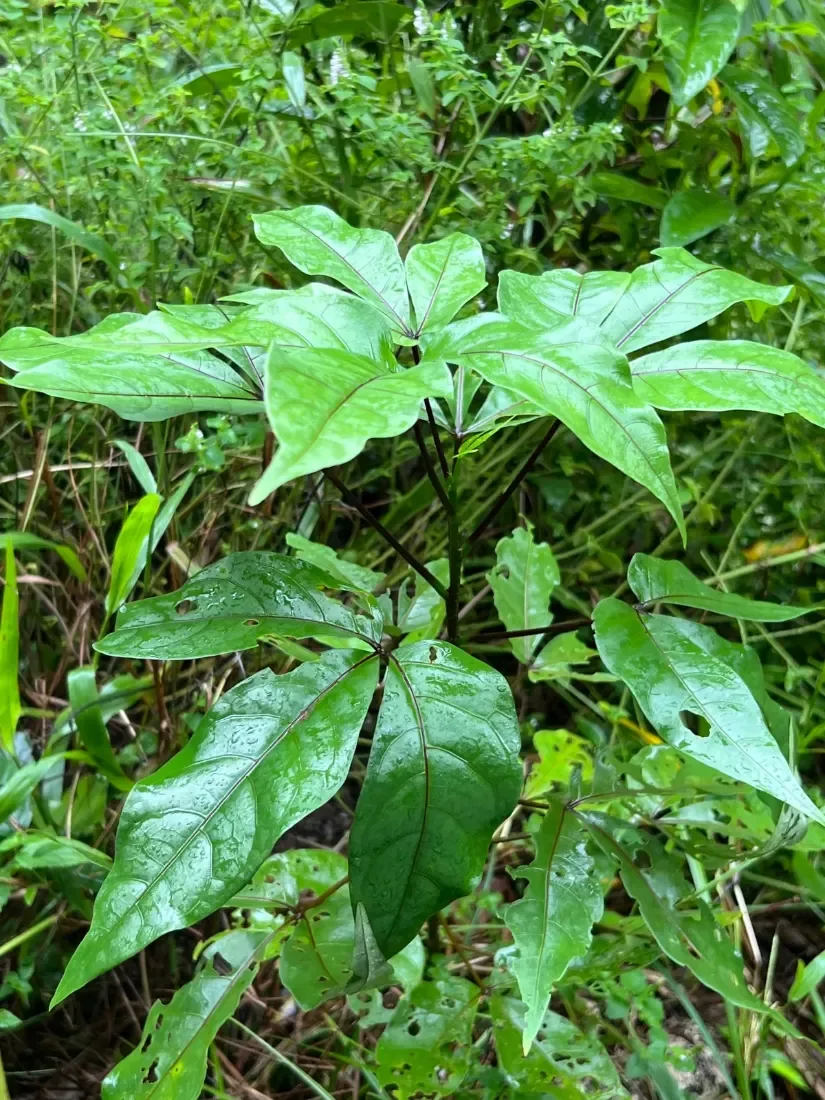
Crataeva adansonii
Sacred Barna बर्नी
Native
Commonly known as વયવર્ણો.
Habit
Tree
Origin
Native
Flowering
Monsoon, Summer
Edible
Yes
Sun
Full sun to part shade
Water
Steady moisture
Drainage
Takes wet ground
Soil
Loam, sandy
Started from
Seed
No specific wildlife-relationship data recorded for this species.
- Seed needs to lie directly on bare, moist soil, it will not germinate in competition with grass or shrubs, and must not be shaded to survive.
Ayurveda describes it as pungent, bitter, and penetrating, used against a huge range of conditions from urinary infections and gallstones to headaches and heart disease; the flowers are considered aphrodisiac.
- Leaves are cooked as a pot herb, mixed with cereals or made into sauces, though their smell when crushed is off-putting, so in many places they're eaten only when little else is available.
- Fruit pulp is eaten, usually roasted with the seed.
- Traditionally, leaves are applied to the head as a counter-irritant for headaches, and used in steam and fumigation treatments for poor vision and jaundice (the yellow wood likely inspiring the jaundice connection, following the old 'like cures like' logic).
- Bark is a widely used stomach remedy, used both internally and externally for sterility, combined with other plants for leprosy, and applied as a poultice on swellings and cysts.
- Root is used as a fever remedy and in several syphilis treatments.
These uses are documented for information only and are not medical advice. Always verify the species and the plant part before use.
Tropical Africa from Mauritania to Ethiopia, south to Tanzania, Zimbabwe, and Madagascar, typically in gallery forest, savannah woodland, and along riverbanks.