-
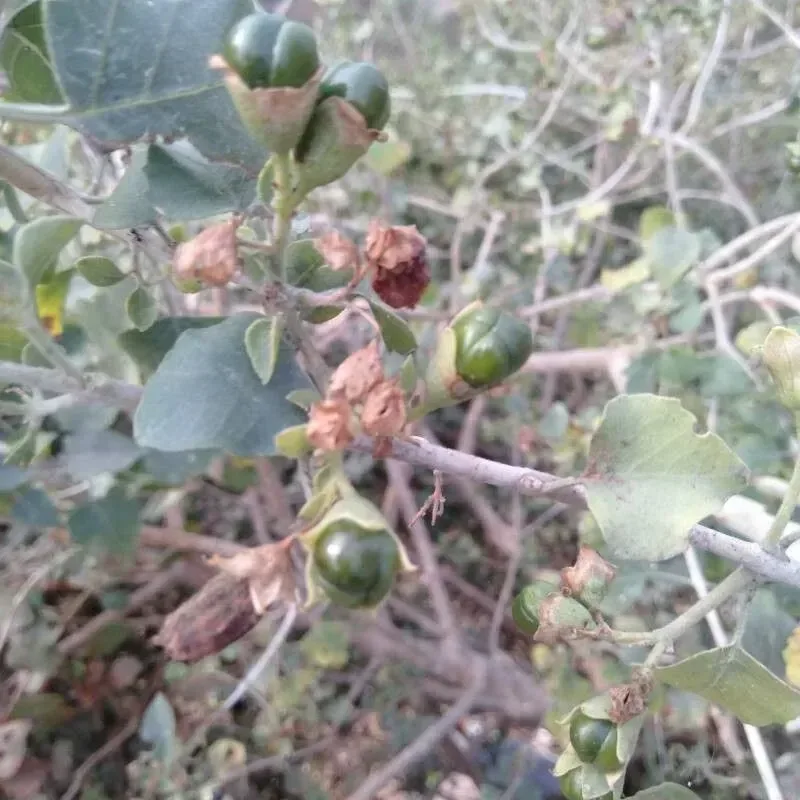
Nikhil Tiwari
-
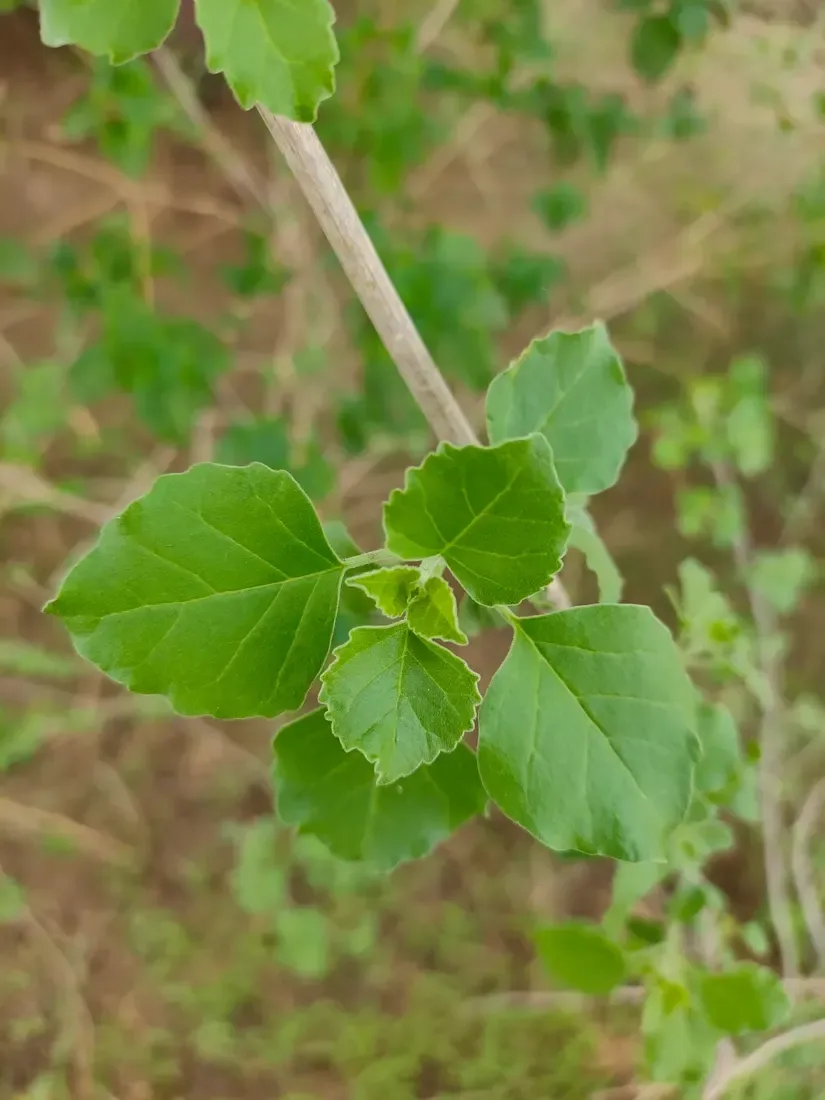
Sonu Kumar
-
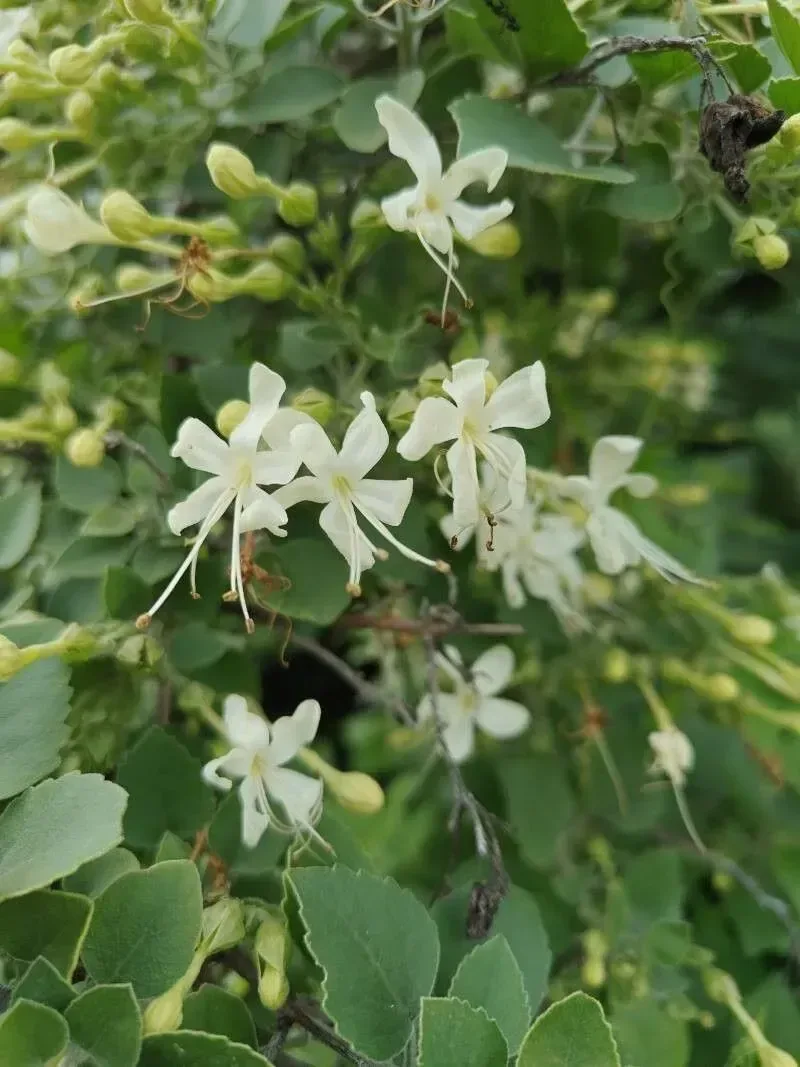
Yadvendra Rathore
-
Jean Claessens
-
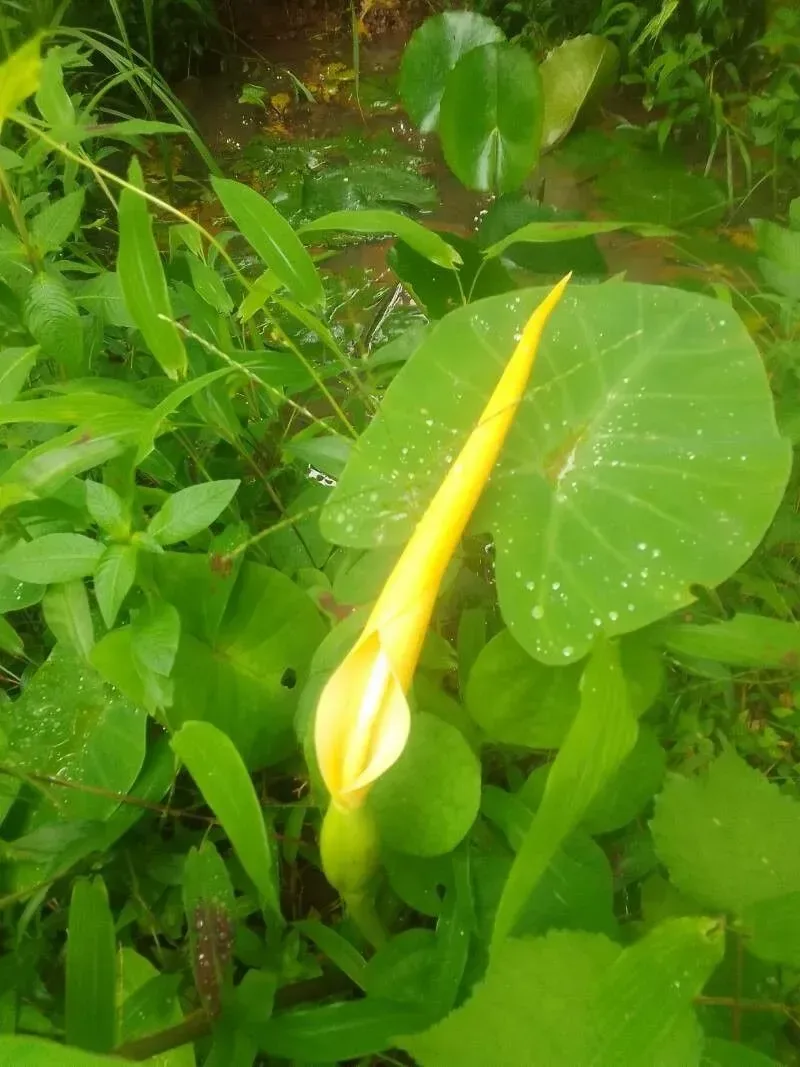
Suhas Gurjar
-
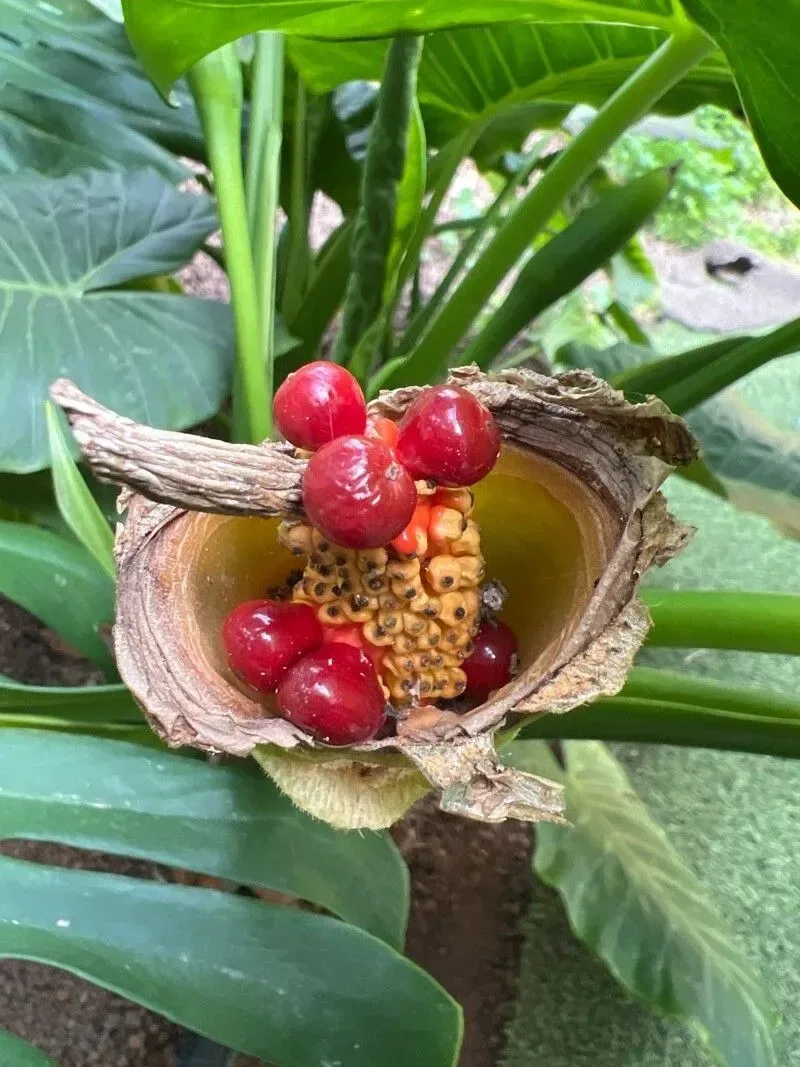
ipsum.oderint
-
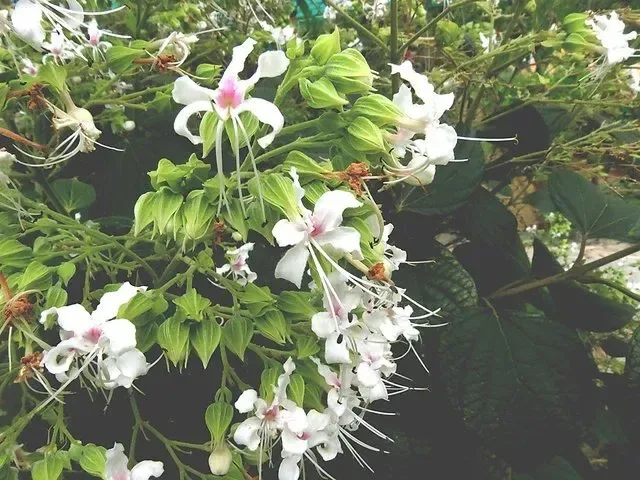
અરણી
Cloreodendrum phlomidis
Sage glorybower
Native
Habit
Shrub
Origin
Native
Edible
Yes, To be verified
Sun
Full sun to part shade
Drainage
Needs to drain well
No specific wildlife-relationship data recorded for this species.
- For container growing: choose a pot just a few centimetres larger than the root ball (sizing up each year), with plenty of drainage holes.
- Water the roots thoroughly and let them drain before potting.
- Fill the pot with a good potting compost mixed with horticultural grit, plus slow-release fertiliser if the compost doesn't already contain it.
- Position the roots so their top sits about 3cm below the rim, fill in around them, firming gently, then tap the pot to settle the compost.
- Soak well with water, and top with a grit mulch to prevent a hard crust forming on the surface.
Considered a key ingredient in the classical Ayurvedic formula Dashmoolarishta, valued for its anti-inflammatory and anti-swelling effects.
- Traditionally used for post-natal complaints, dyspepsia, stomach-ache, colic, and dysentery.
- Leaf juice is used against neglected syphilitic complaints, and applied externally for oedema, swellings, and ulcers.
- Root is a bitter tonic given during recovery from measles, and as a demulcent for gonorrhoea.
- Research on a methanolic leaf extract found it genuinely effective against diarrhoea in lab studies, reducing gut motility and fluid secretion, lending some scientific weight to its folk use.
- It also responds well to trimming and can be grown as a hedge.
These uses are documented for information only and are not medical advice. Always verify the species and the plant part before use.
Pakistan, India, Sri Lanka, Nepal, Bhutan, Bangladesh, and Myanmar, in arid plains and dry forests, sometimes along riverbanks.