-
García Bencosme Harvey Luís
-
Marisel Morales
-
Schretzmann-Myers Theresa
-
plantuse.org
-
Delondiny Alias
-
Jean Salvadori
-
Solène Lise
-
Luis Garcia Bencosme
-
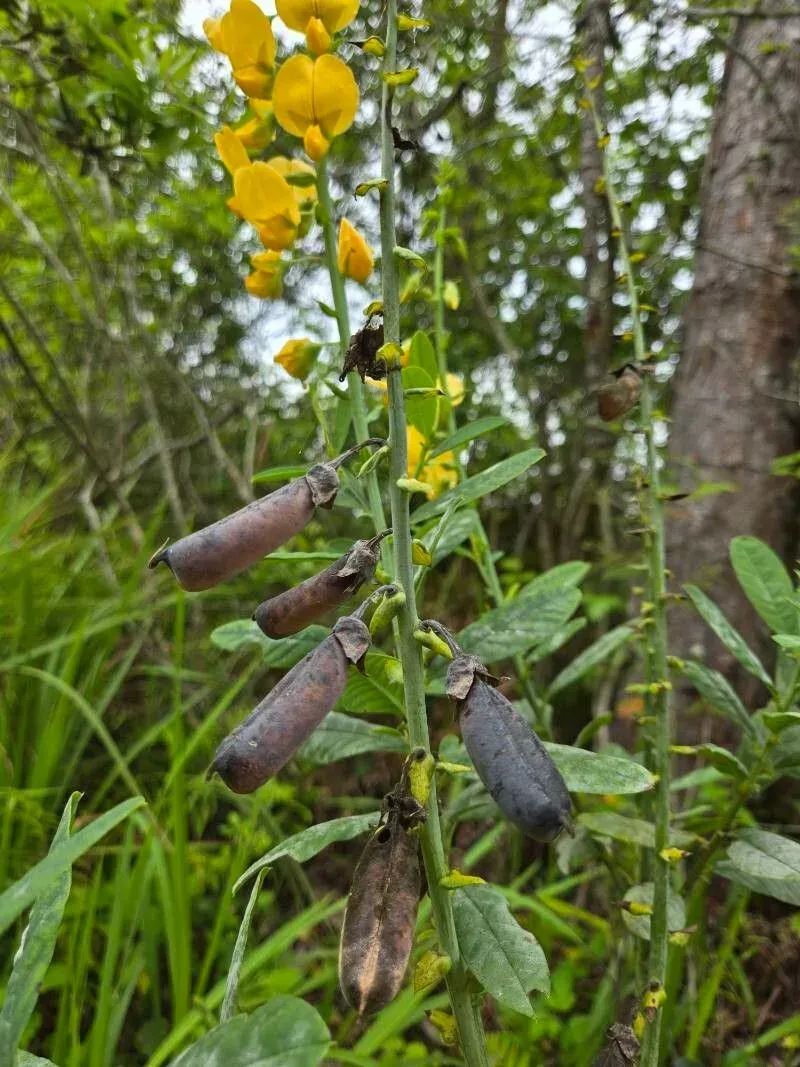
Theresa Schretzmann-Myers
ઘૂઘરો
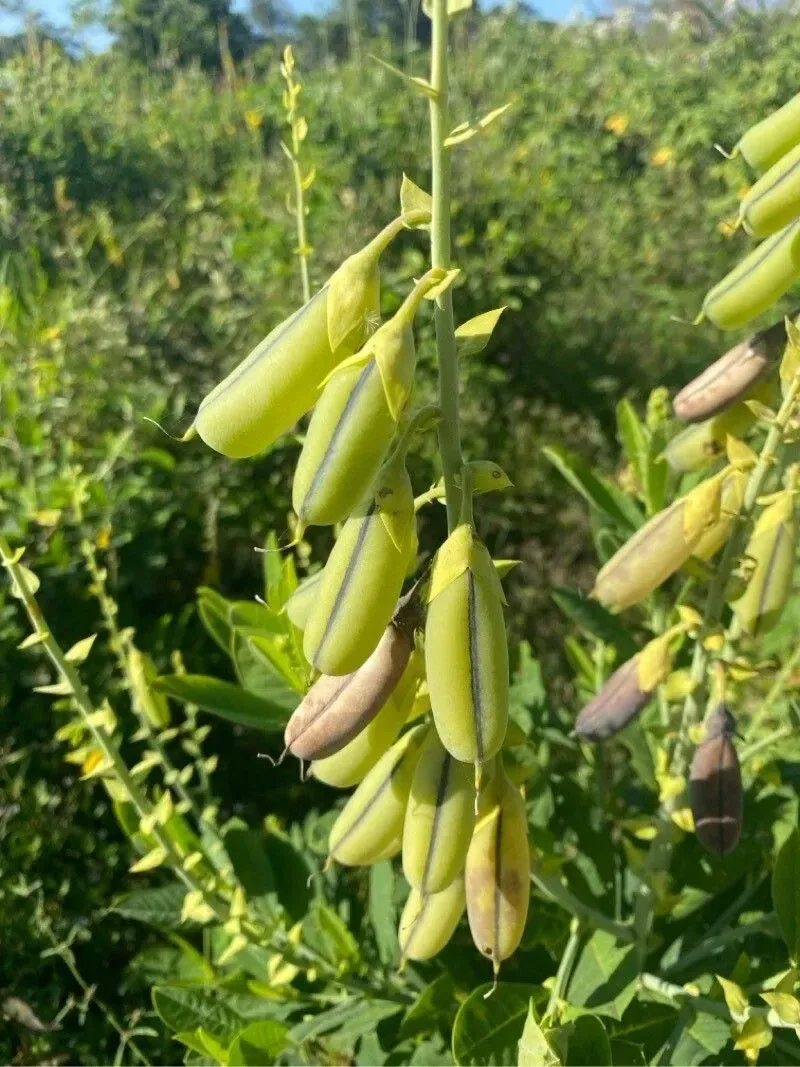
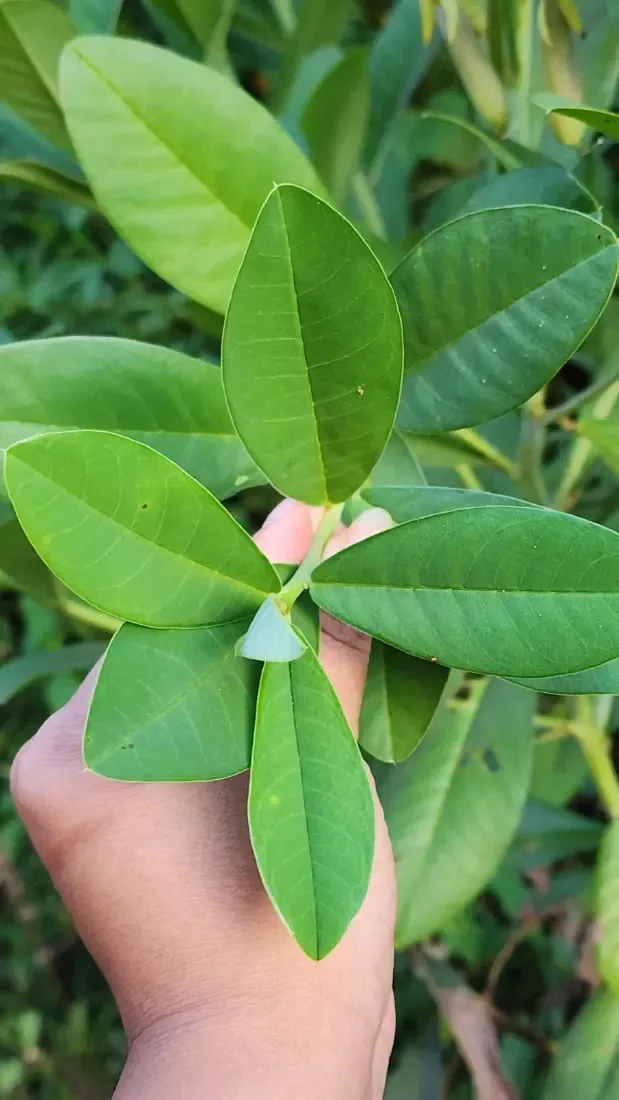
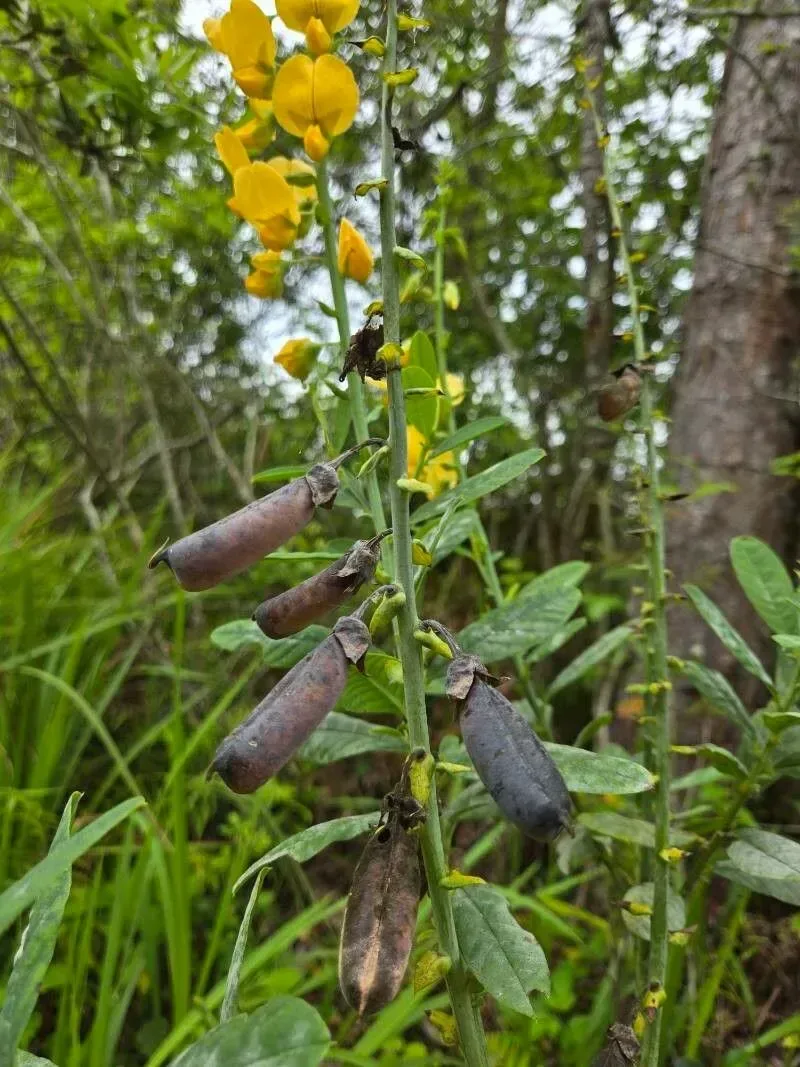
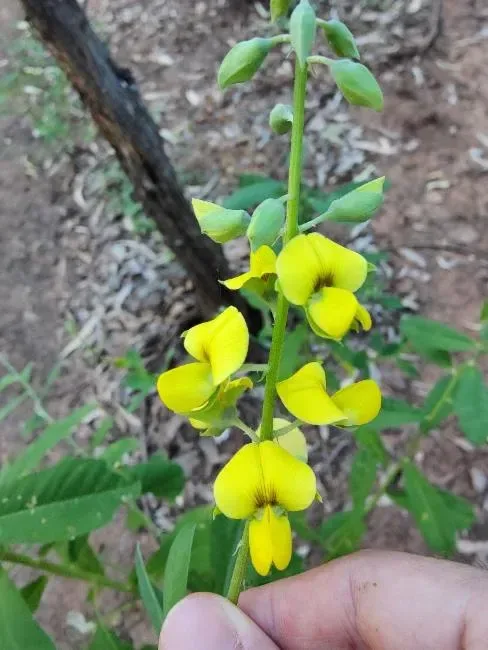
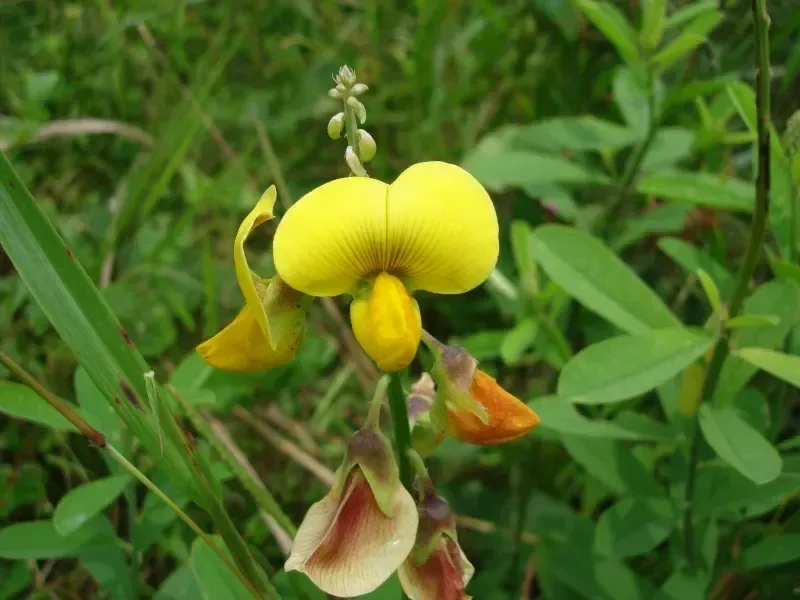
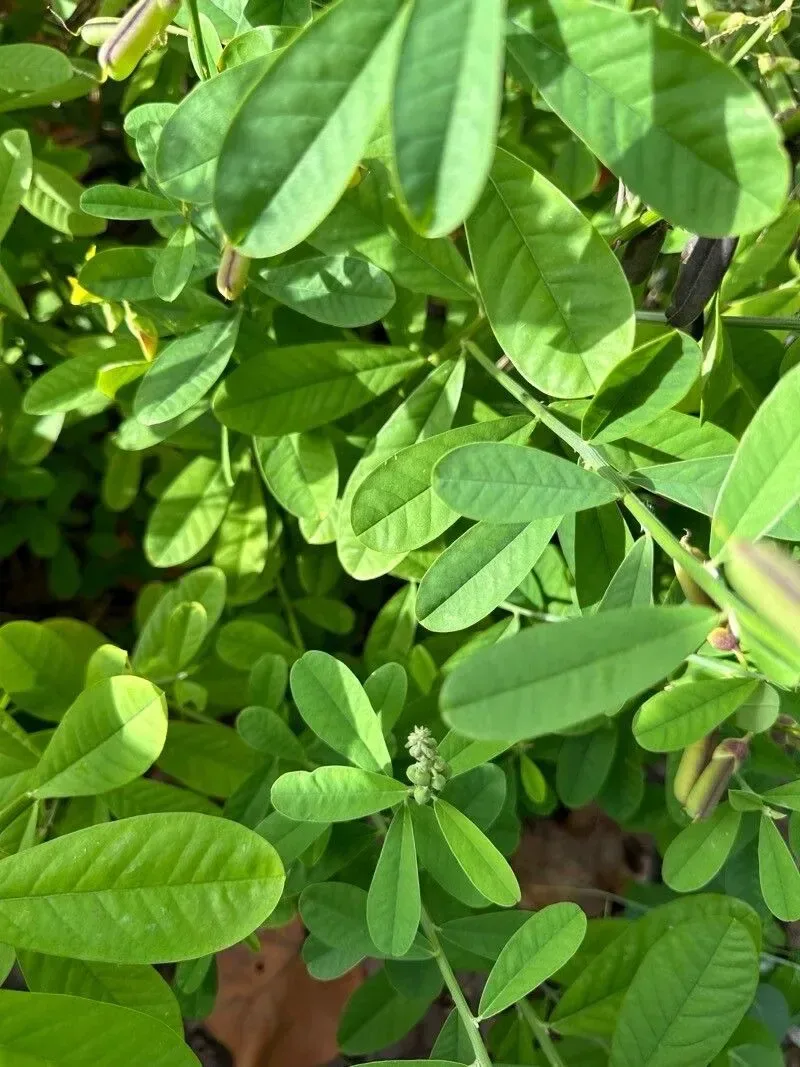
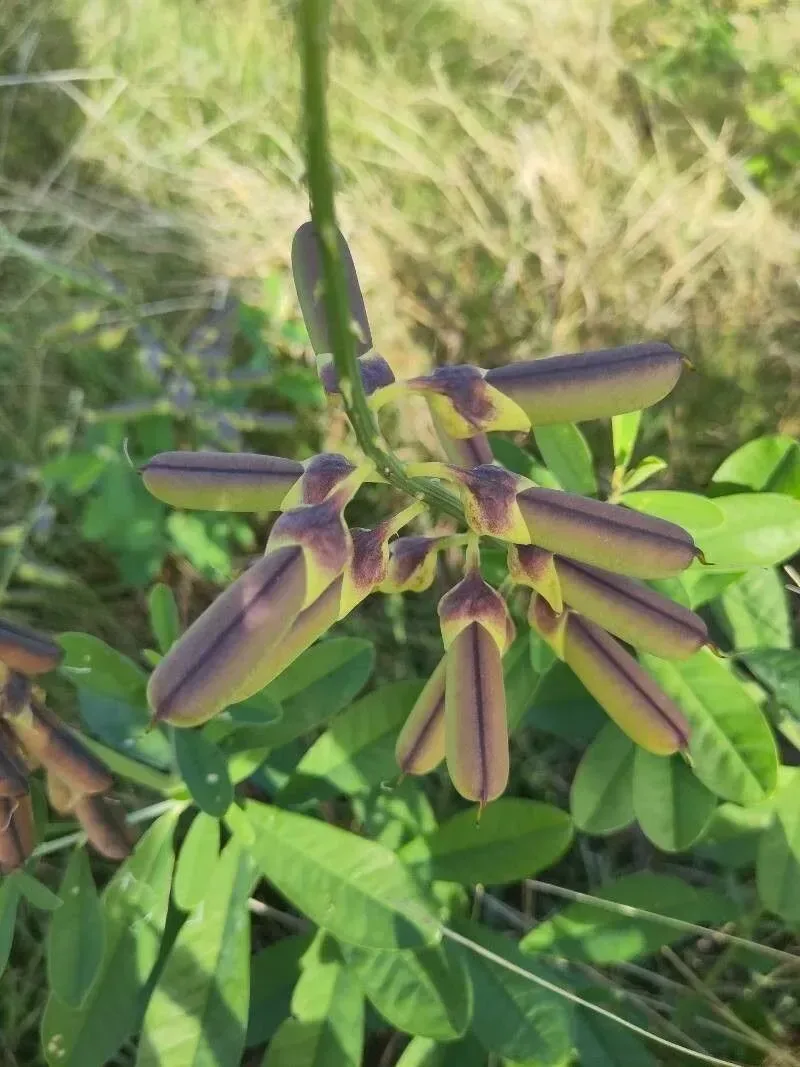
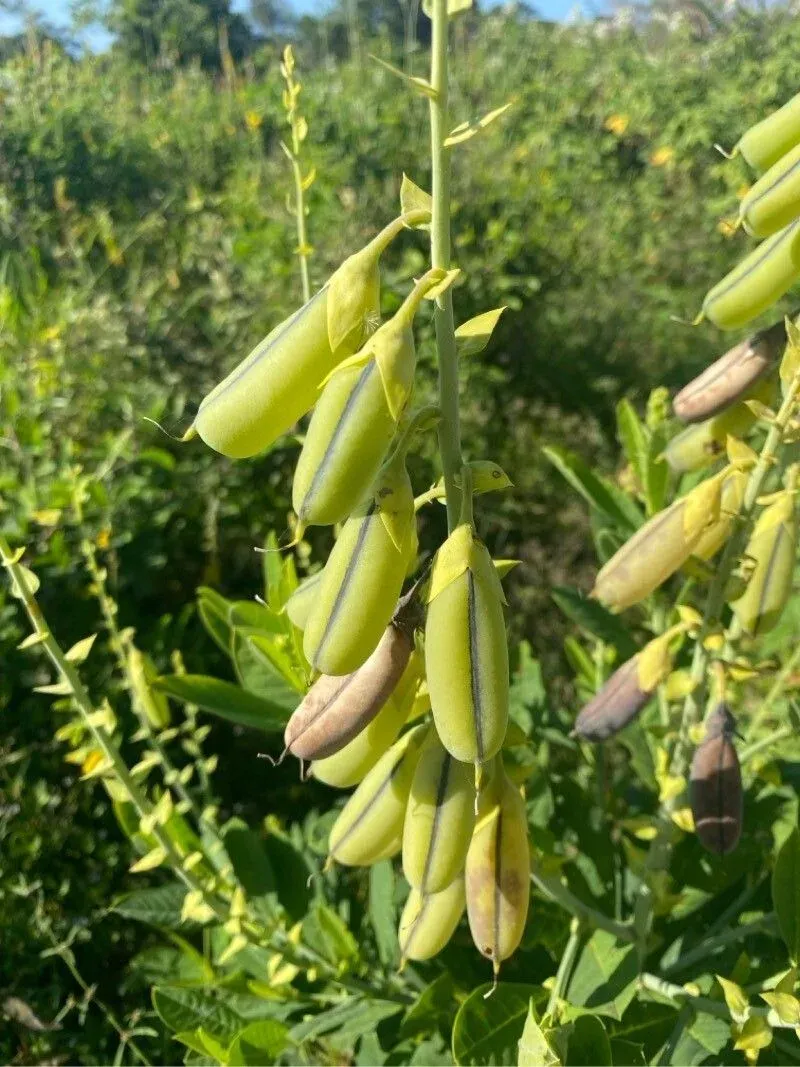
Crotalaria spectabilis
Showy rattlepod
Native
Commonly known as Greater Rattlepod, Cats Bell, Rattlebox, Rattleweed, Yellow Crotalaria, Ghunghunya.
No specific wildlife-relationship data recorded for this species.
- Sow seed directly where it's to grow.
- Pre-soaking the seed for 12 hours in warm water can help reduce germination time.
No cultural-significance data recorded for this species.
- Flowers are cooked and eaten as a vegetable, or pickled after boiling.
- Traditionally used to treat scabies and impetigo.
- On the farming side, it's grown as a green manure and soil stabiliser: its fresh foliage runs 0.5-1% nitrogen, improving fertility and soil structure when worked in.
- It also contains a compound (monocrotaline) toxic to root-knot nematodes, making it useful for nematode control, though the same compound is toxic if ingested, so it's not something to eat casually despite the vegetable use above.
These uses are documented for information only and are not medical advice. Always verify the species and the plant part before use.
Native to Pakistan, India, Nepal, Bangladesh, Myanmar, Thailand, and Malaysia, naturalised throughout the tropics; found in montane grasslands, along trails, and as a cultivated-field weed.