-
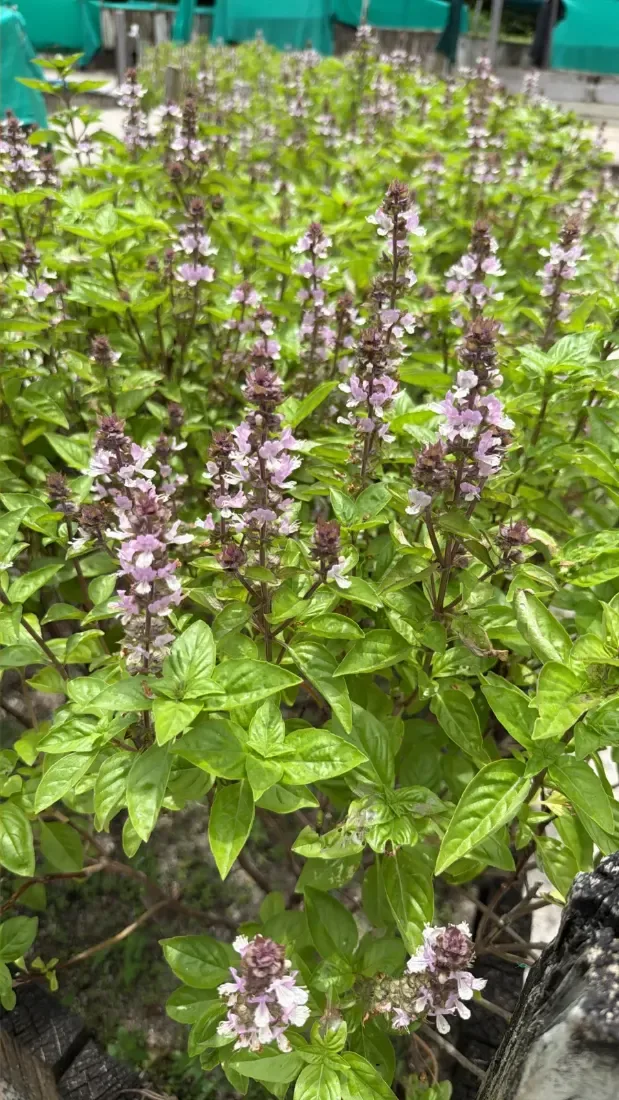
Abdulla Yamin
-
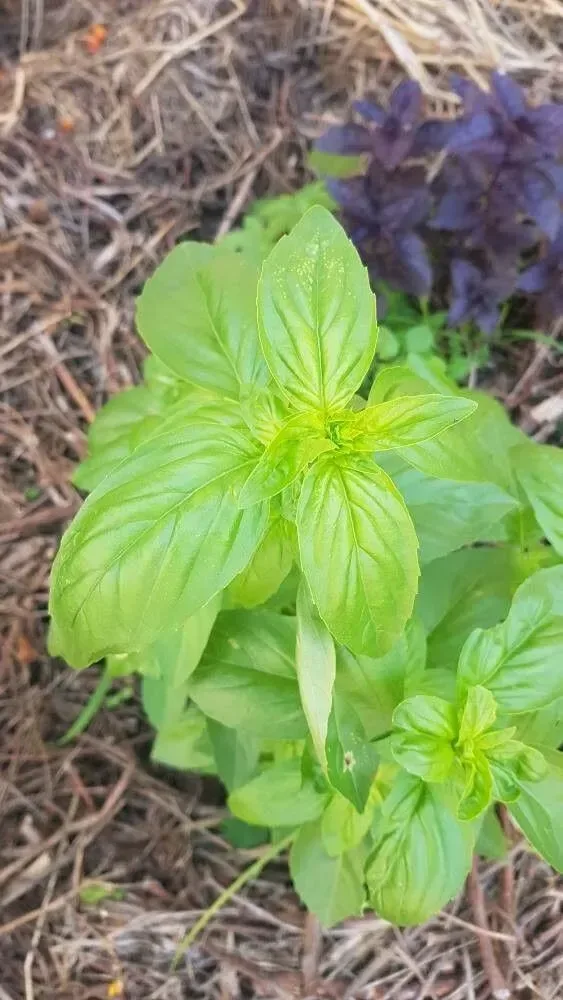
Massumi Miyazaki
-
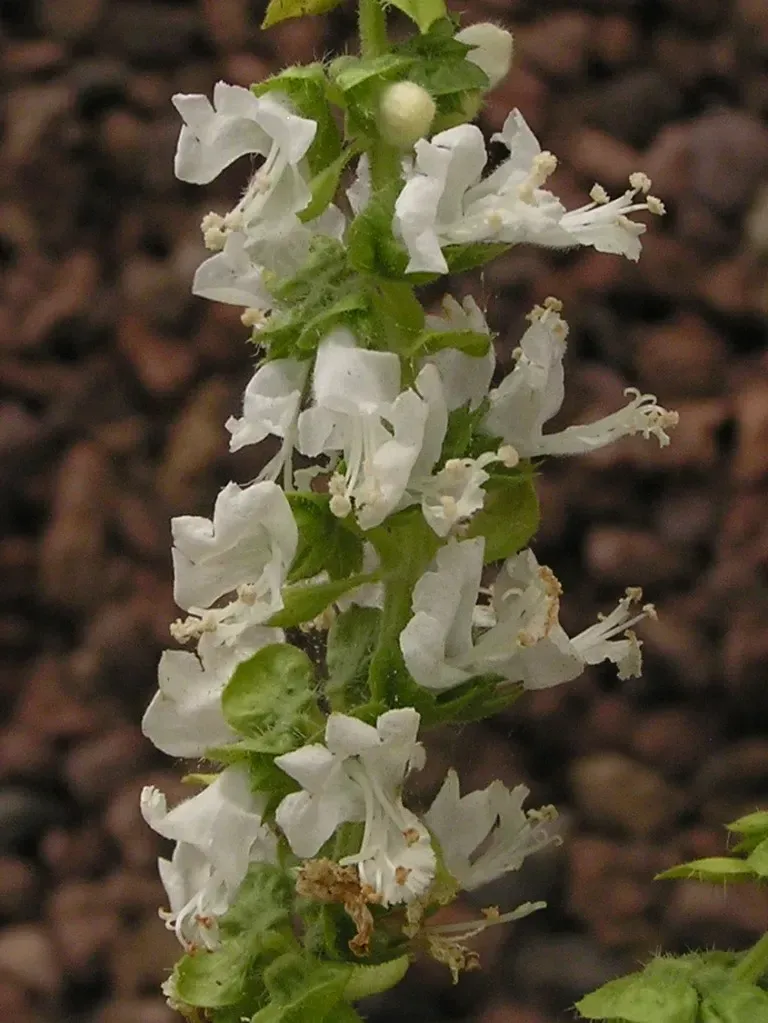
Plantuse
-
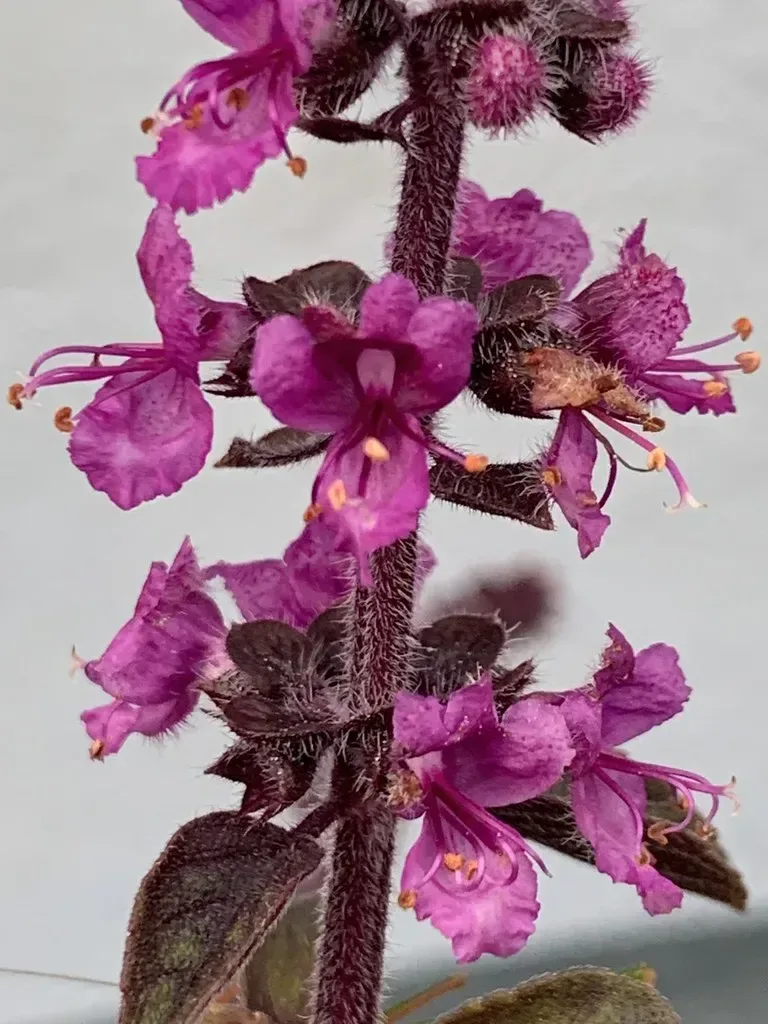
Plantuse
-
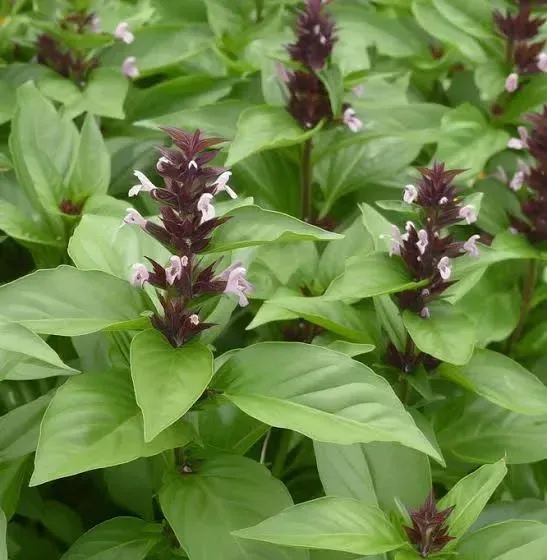
ડમરો
Ocimum basilicum
sweet basil राम तुलसी
Native
Habit
Herb, Flowers, Fruits
Origin
Native
Flowering
Monsoon, Winter
Edible
Yes
Drainage
Needs to drain well
Started from
Seed
No specific wildlife-relationship data recorded for this species.
- Sow in containers or seed beds, covering the seed only lightly.
- Germination is usually quick and reliable.
- Prick container-grown seedlings into individual pots once large enough to handle, and move them to their permanent spot once they reach 5-8cm tall.
No cultural-significance data recorded for this species.
- Its seeds, called sabja, are popular in cooling summer drinks and for gut health, and become wonderfully mucilaginous when soaked, the base of faluda.
- They're traditionally used for chronic dysentery, diarrhoea, and gonorrhoea.
- Leaves are used fresh as a herb and seasoning.
These uses are documented for information only and are not medical advice. Always verify the species and the plant part before use.
Tropical Asia, including China, the Indian subcontinent, Myanmar, Thailand, Cambodia, Laos, Vietnam, Malaysia, Indonesia, the Philippines, and New Guinea.