-
Kobita Dass Kolli
-
Susan Brown
-
sonu kumar
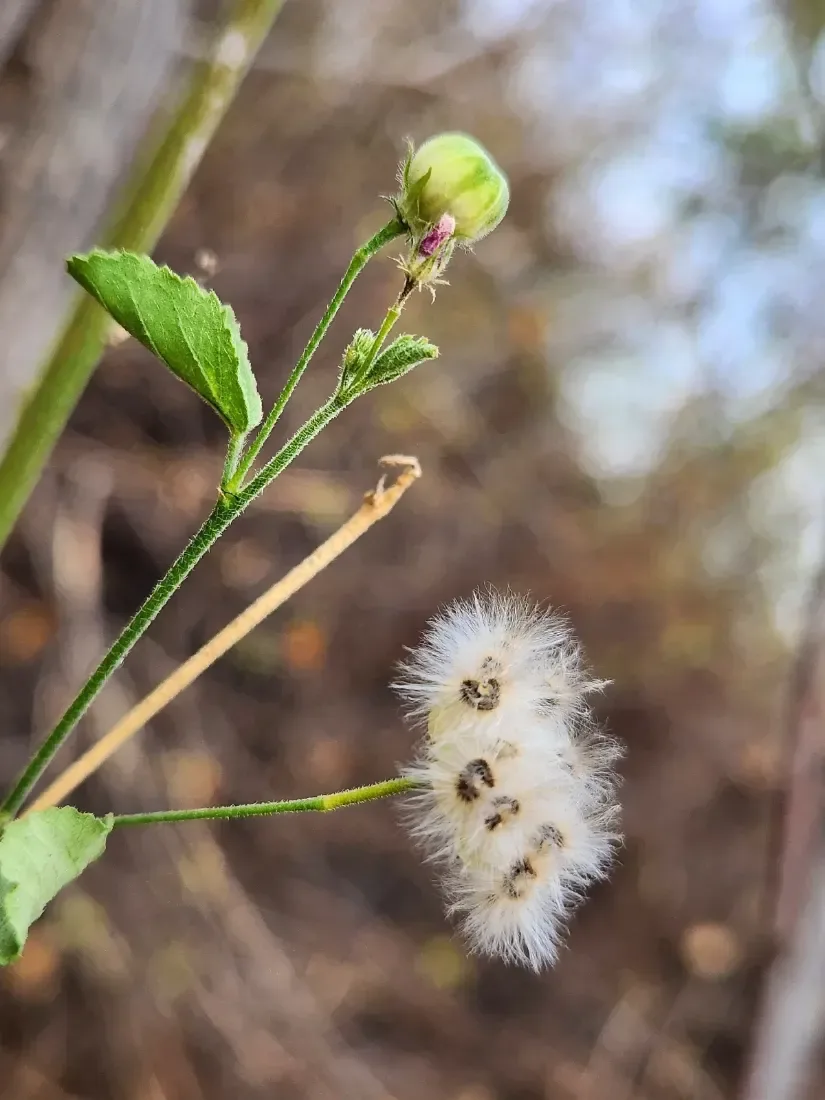
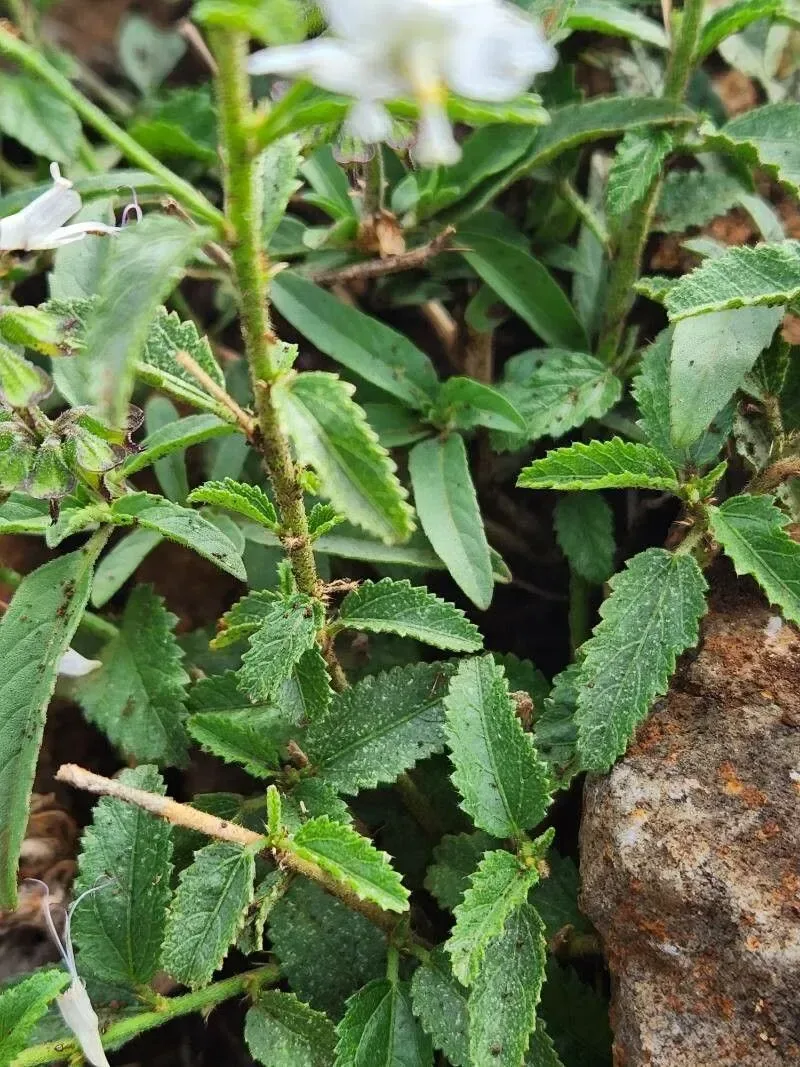
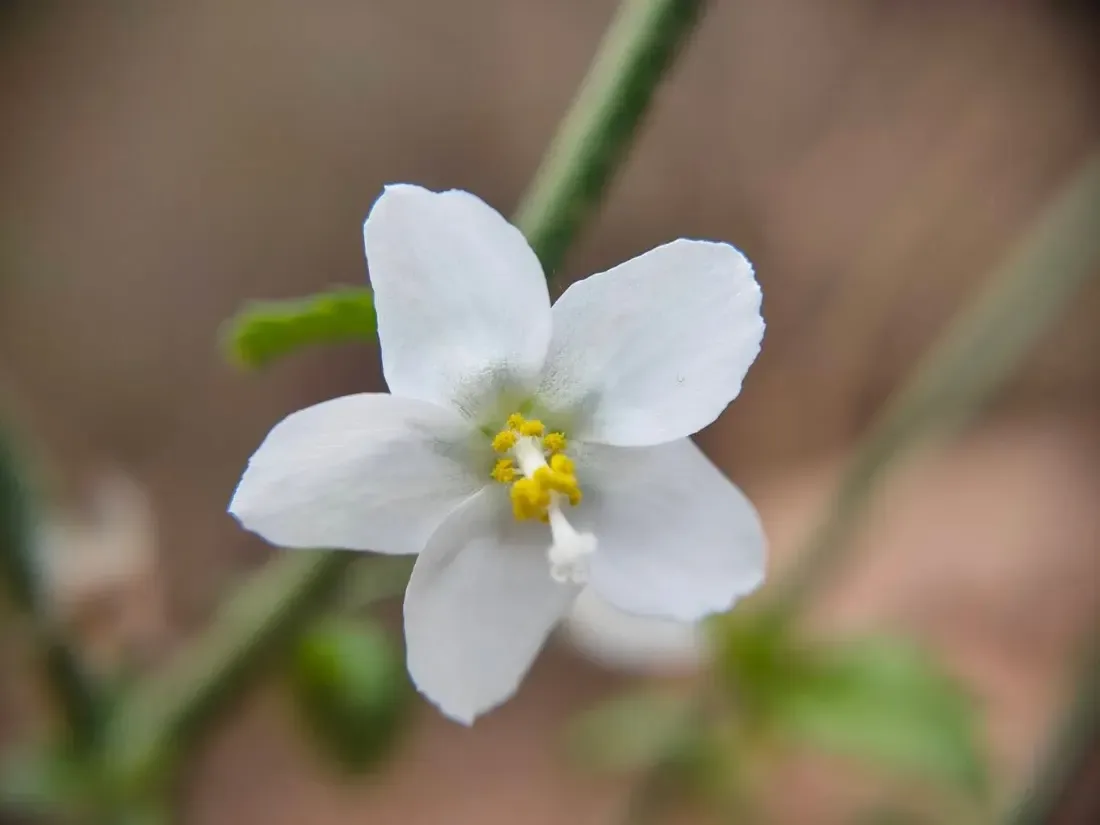
Tiny flower hibiscus
Hibiscus micranthus
Native
Habit
Shrub
Origin
Native
Flowering
Summer, Monsoon, Winter
Edible
Yes, To be verified
Sun
Full sun
Started from
Seed, Cuttings
No specific wildlife-relationship data recorded for this species.
- Sow in situ or in containers; germination is usually fairly quick with no special pre-treatment needed, though abrading or soaking the seed first speeds things up.
- Prick container-grown seedlings into individual pots once large enough to handle, and plant out once they reach 10cm or taller.
- Half-ripe wood cuttings, taken at an angle through a node and treated with rooting hormone, generally strike readily in a cold frame.
No cultural-significance data recorded for this species.
- Leaves are cooked and eaten as a vegetable, and are diuretic, fever-reducing, and stomach-settling.
- They're also used to treat ear problems and venomous bites and stings.
- Root is used for lung problems, stomach trouble, and venereal disease.
- Both peeled and unpeeled twigs work well as chewing sticks for dental hygiene, and are best left unpeeled since the bark itself carries antimicrobial compounds.
- A fibre is also obtained from the stems.
These uses are documented for information only and are not medical advice. Always verify the species and the plant part before use.
Africa (widespread, avoiding the moistest areas), through Arabia to India and Pakistan, typically in woodland and waste places, often as a crop weed.