-
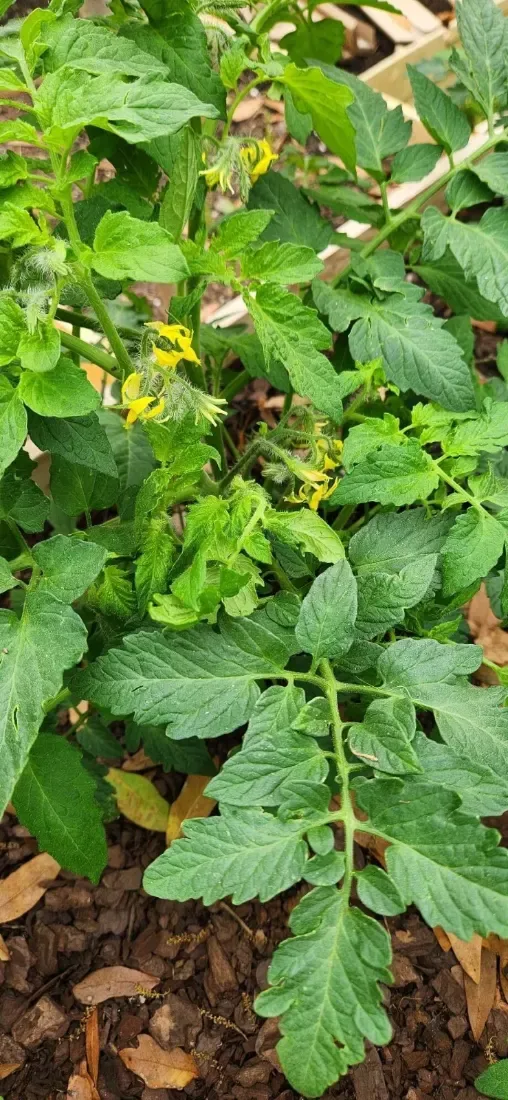
2j.larae
-
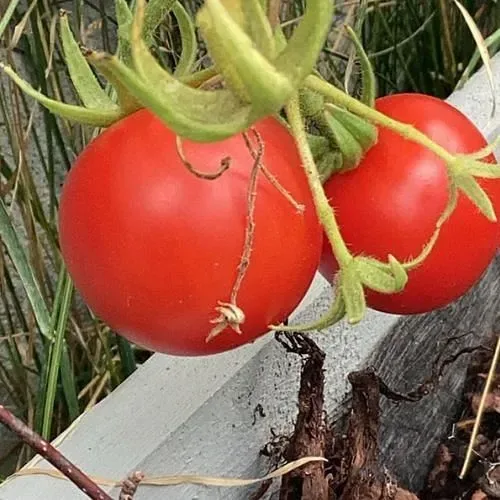
Finden
-
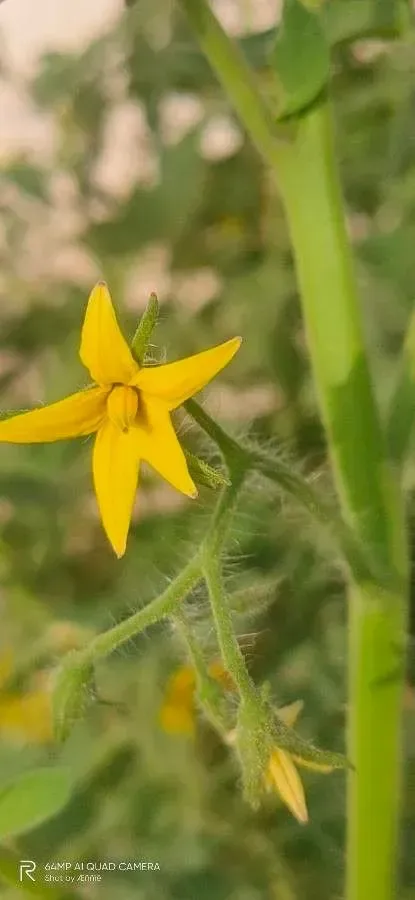
Lisa Ani
-
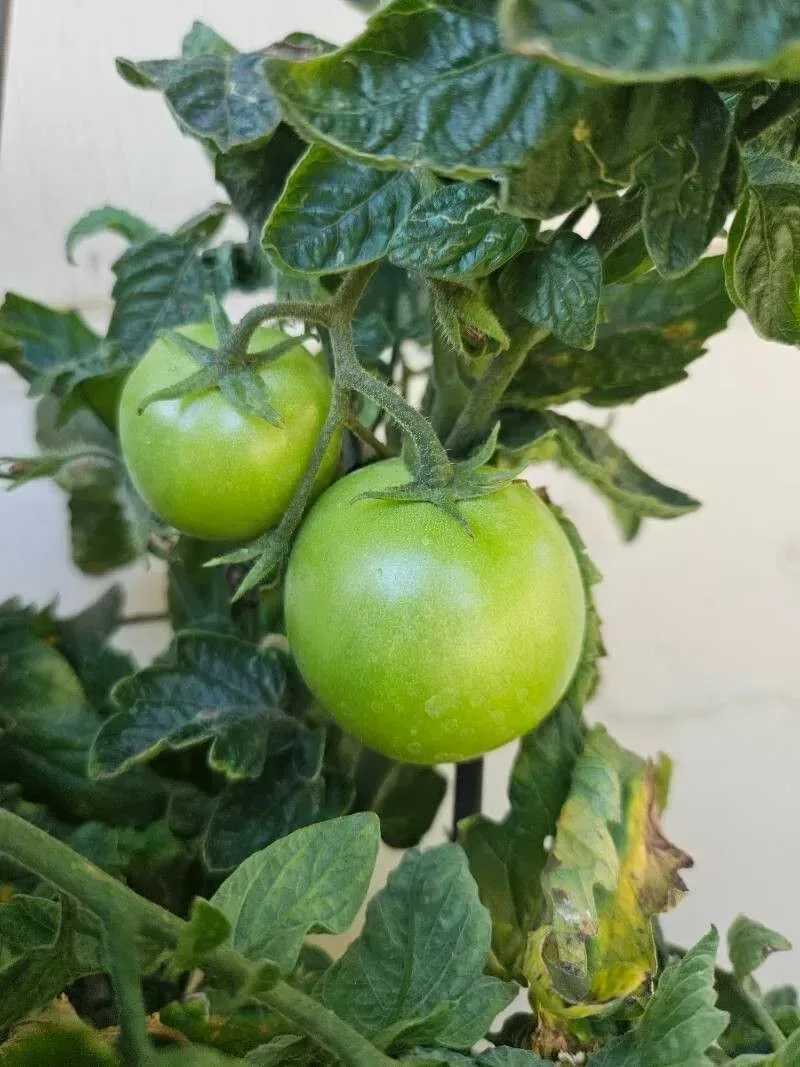
prince plants
Habit
Vegetables
Origin
Naturalised
Flowering
Summer, Winter
Edible
Yes
Sourcing
Available
Sun
Full sun
Water
Steady moisture
Drainage
Needs to drain well
Soil
Rich in organic matter
Started from
Seed
Flowers are insect-pollinated; foliage and fruit support herbivorous insects.
- Use small pots, seed-starting trays, or even plastic cups with drainage holes.
- Fill with a well-draining mix of one-third manure, one-third soil, and one-third washed river sand.
- Keep the surface moist, scatter seeds on top, and cover with a 1/4-1/2 inch layer of the soil mix.
- Spray lightly with water to moisten without making it soggy, then cover the pot with plastic and keep it somewhere warm for faster germination.
- As soon as sprouts appear, remove the plastic and move the pots into a sunny spot.
- Keep soil consistently moist but not soaked, watering gently so as not to disturb the young seedlings.
- Once seedlings have grown a few sets of leaves, transplant them into larger pots or their permanent outdoor spot, adding manure like vermicompost or cow dung compost.
- Give the plant wooden or string support as it grows tall.
- Harvesting starts after about 60 days.
A staple of Indian home cooking despite its American origin, thoroughly absorbed into regional cuisines.
- Eaten fresh, cooked, and worked into sauces, chutneys, pickles, and processed foods.
These uses are documented for information only and are not medical advice. Always verify the species and the plant part before use.
Cultivated throughout India, and widely grown in Gujarat.