-
Deborah Becot
-
Plantuse
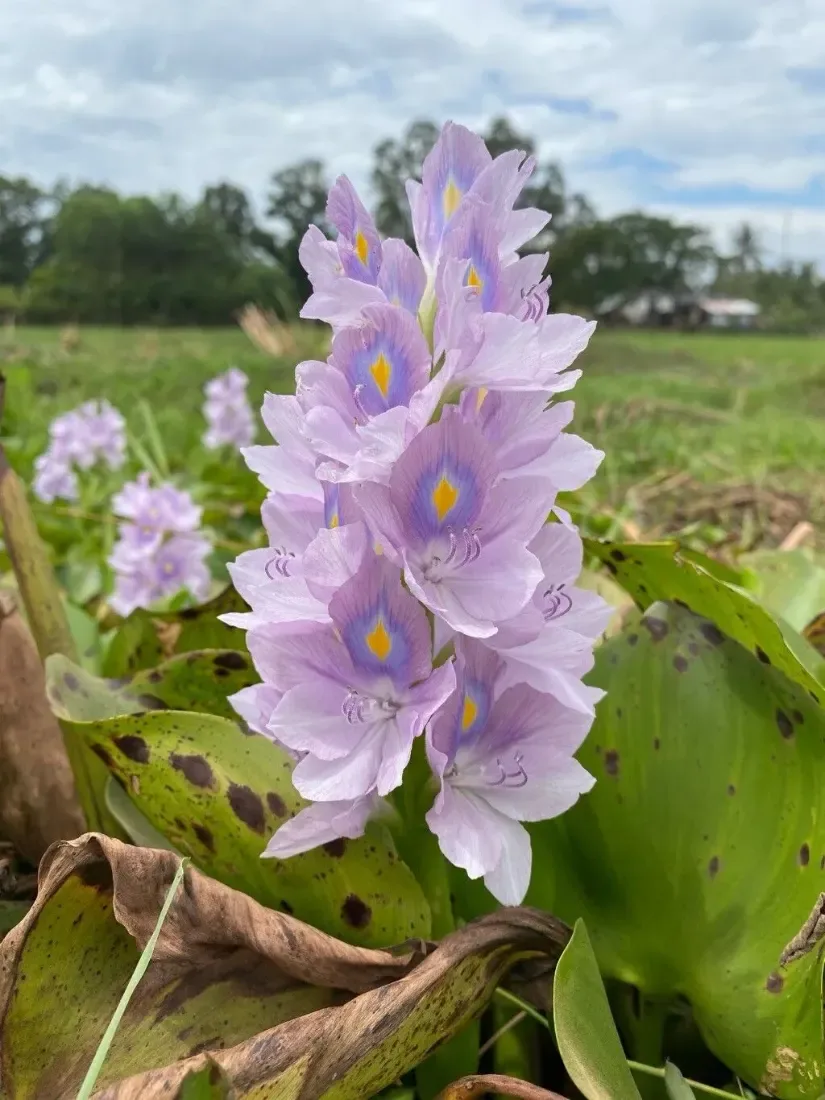
Water hyacinth
Pontederia crassipes
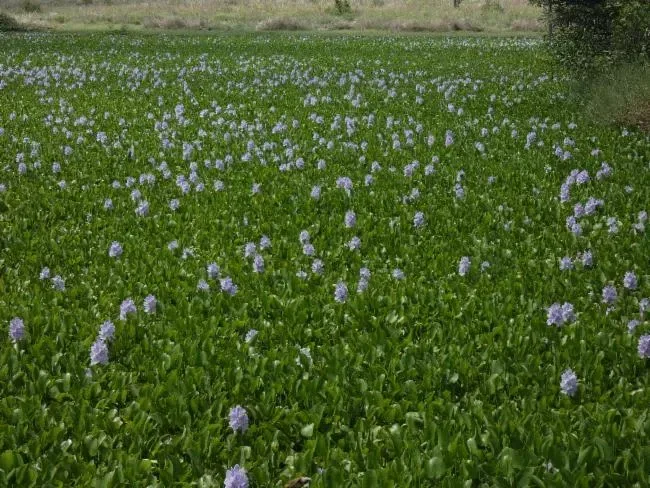
Exotic Invasive
Habit
Flowers
Origin
Exotic, Invasive
Flowering
Summer, Monsoon
Edible
No, To be verified
Soil pH
6.7–7.3
No specific wildlife-relationship data recorded for this species.
No cultural-significance data recorded for this species.
- Young leaves and petioles are cooked and eaten in Indonesia and Taiwan (used as a carotene-rich vegetable), though largely tasteless; flower spikes are also cooked.
- Petioles are used to treat diarrhoea, and a bath infusion of the inflated petioles is used against fever.
- Removed from the water, the plant makes excellent compost, green manure, or mulch.
- Its most striking use is phytoremediation: the roots naturally absorb pollutants, including toxic heavy metals like lead and mercury and even radioactive strontium-90, at concentrations up to 10,000 times higher than in the surrounding water.
These uses are documented for information only and are not medical advice. Always verify the species and the plant part before use.
Thrives in fresh water habitats worldwide, from shallow ponds and marshes to large lakes and rivers, and has naturalised well beyond its native range, including in Portugal.