-
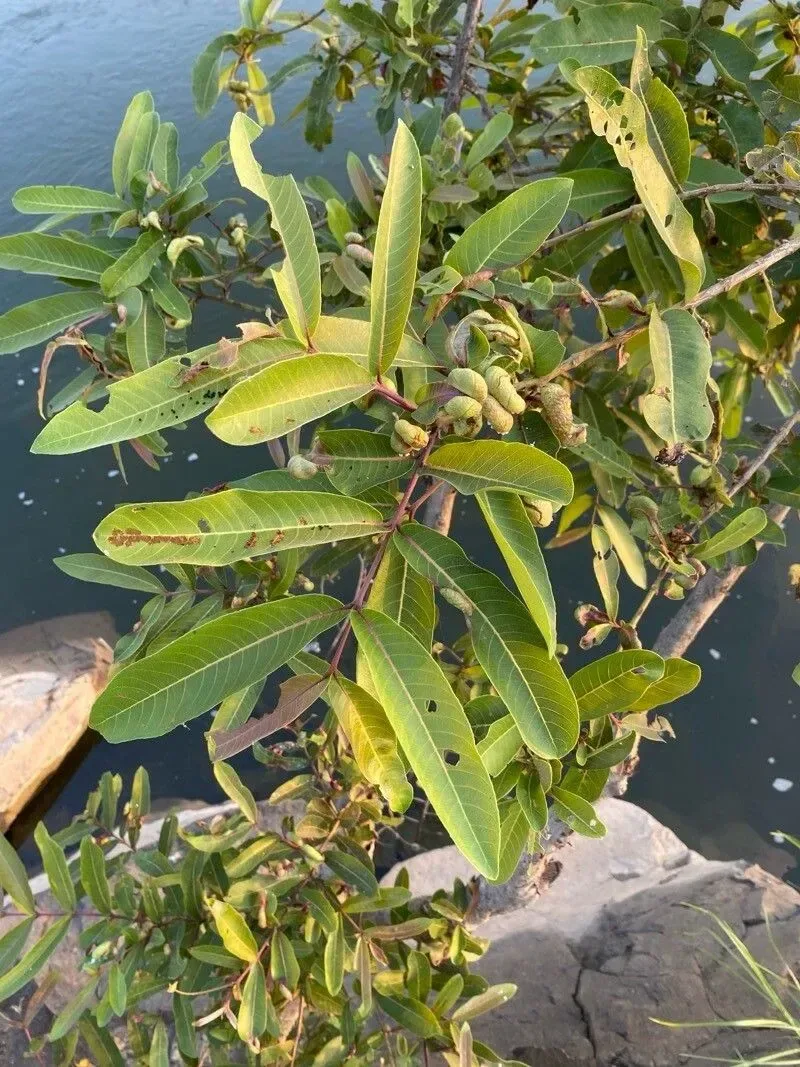
Nainesh Jadwani
-
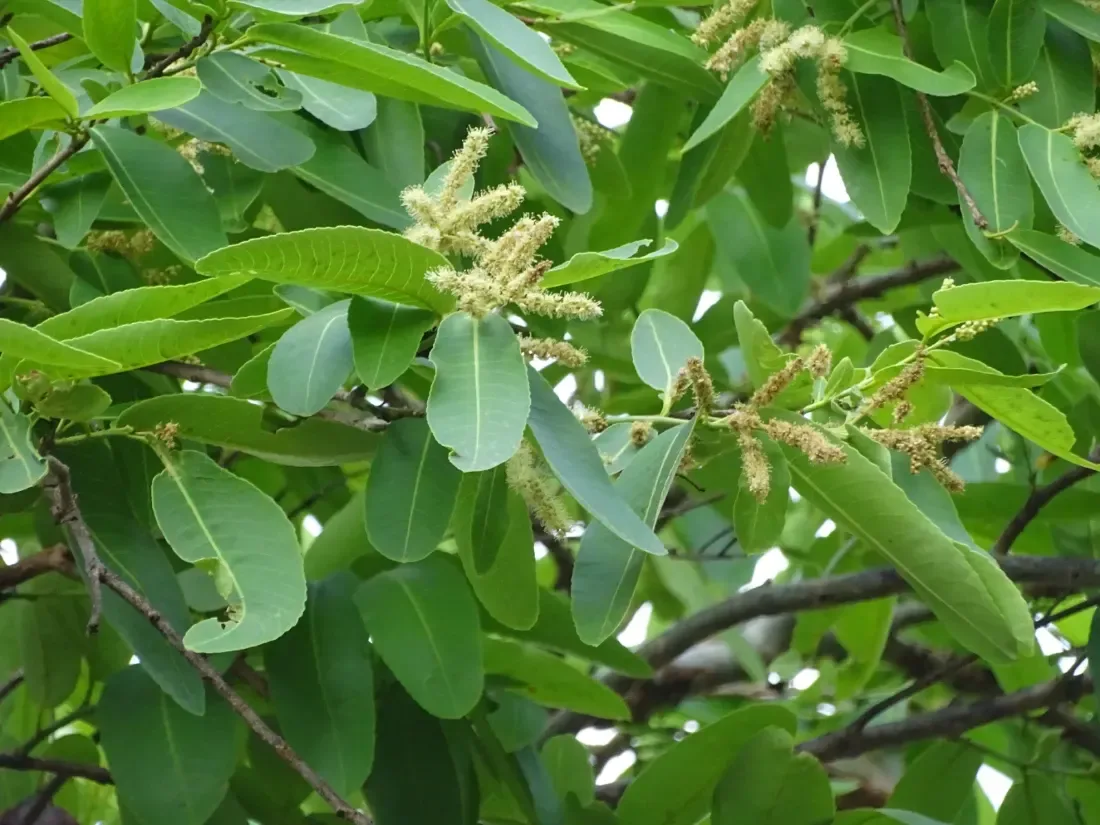
Plantuse.org
-
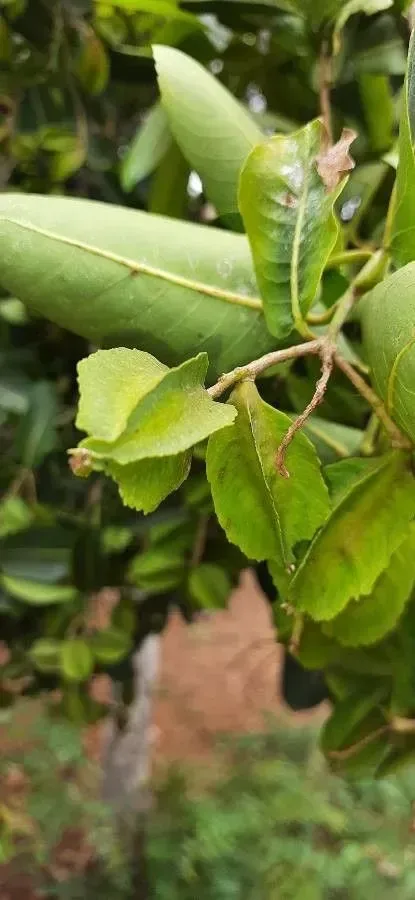
Shantayya Gurumath
અર્જુન
Terminalia arjuna
White Murdah अर्जुन
Native
Commonly known as Arjun Tree.
Bears reportedly climb its trees upside down; it's found in abundance in Western Ghats forests where wildlife uses its canopy.
- Sow seeds in nursery beds in early summer, right after collection.
- Germination starts in 8-12 days and finishes over 7-8 weeks; germinated seeds can be moved into polybags filled with an equal mix of clay, manure, and sand.
- Alternatively, pretreated fruits can go directly into polythene bags in April, with half the fruit left above the soil, pre-germinated seed saves time and gives more even results.
- Fruit count per kg ranges from about 200 to 1,200 depending on size, so you'll need roughly 4-10kg of seed per hectare at 6m x 6m spacing.
- Seedlings are drought-sensitive both during germination and early growth.
- Pretreat seeds by soaking in cool water for 48 hours, or in boiling water left to cool, then soaked for a further 24 hours.
- Pretreated seed germinates at up to 90%, versus 50-60% untreated.
Ayurveda regards Arjun as the best available medicine for heart disease, with the bark, seeds, and fruit all used medicinally; it's also considered aphrodisiac and anti-inflammatory.
- A bark-and-milk decoction is drunk as a heart tonic; the bark contains tannins, flavonoids, sterols, and triterpenoid saponins that act as a cardiac tonic, lower blood pressure, and reduce cholesterol.
- It's used internally for conditions like angina and ischaemic heart disease, and seems to work best when blood supply to the heart is already compromised.
- The gum has medicinal uses too, and leaf juice is traditionally used for earache.
These uses are documented for information only and are not medical advice. Always verify the species and the plant part before use.
Found in India, Sri Lanka, and Myanmar, abundant in Konkan, the Western Ghats, and dry teak forests of Gujarat, including Rajpipla, Chhota Udepur, Panchmahal, Ambaji, and Balaram. Also planted as a shade tree in coffee plantations and as timber.