-
-
Prashant Somwanshi
-
Susan Brown
-
Susan Brown
-
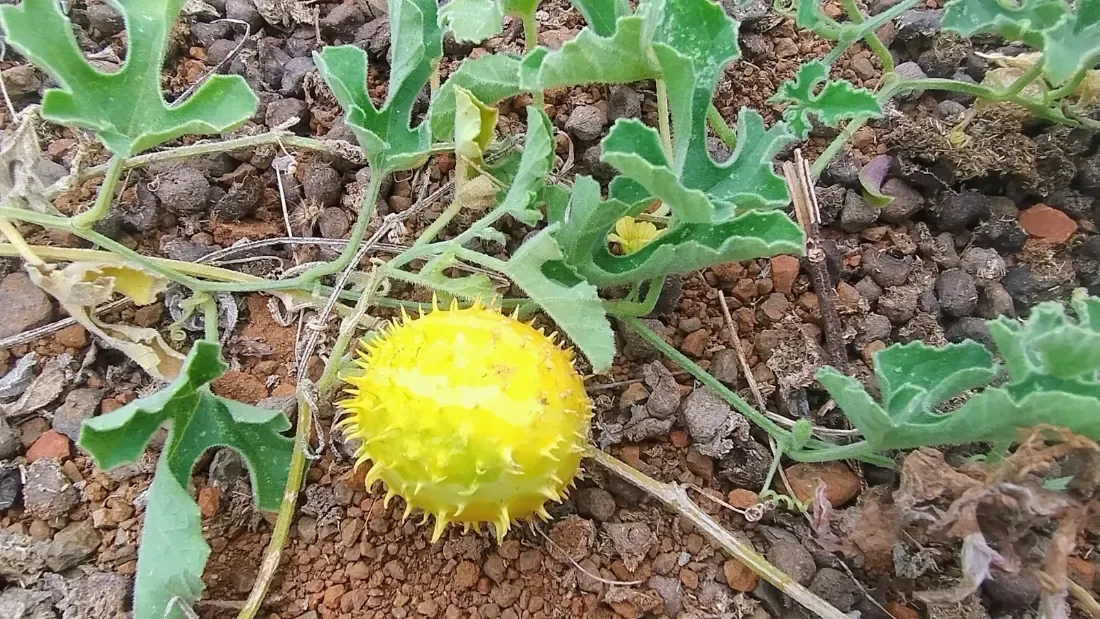
sougatawildlife
કાંટાળા ઇંદ્રાણા
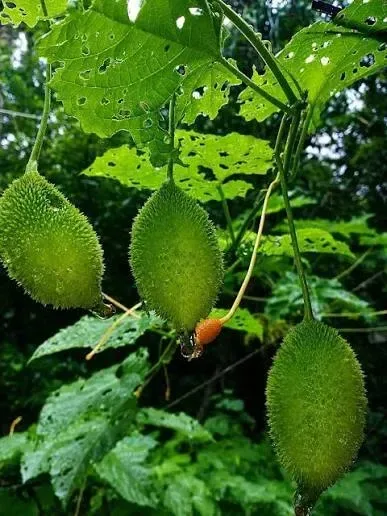
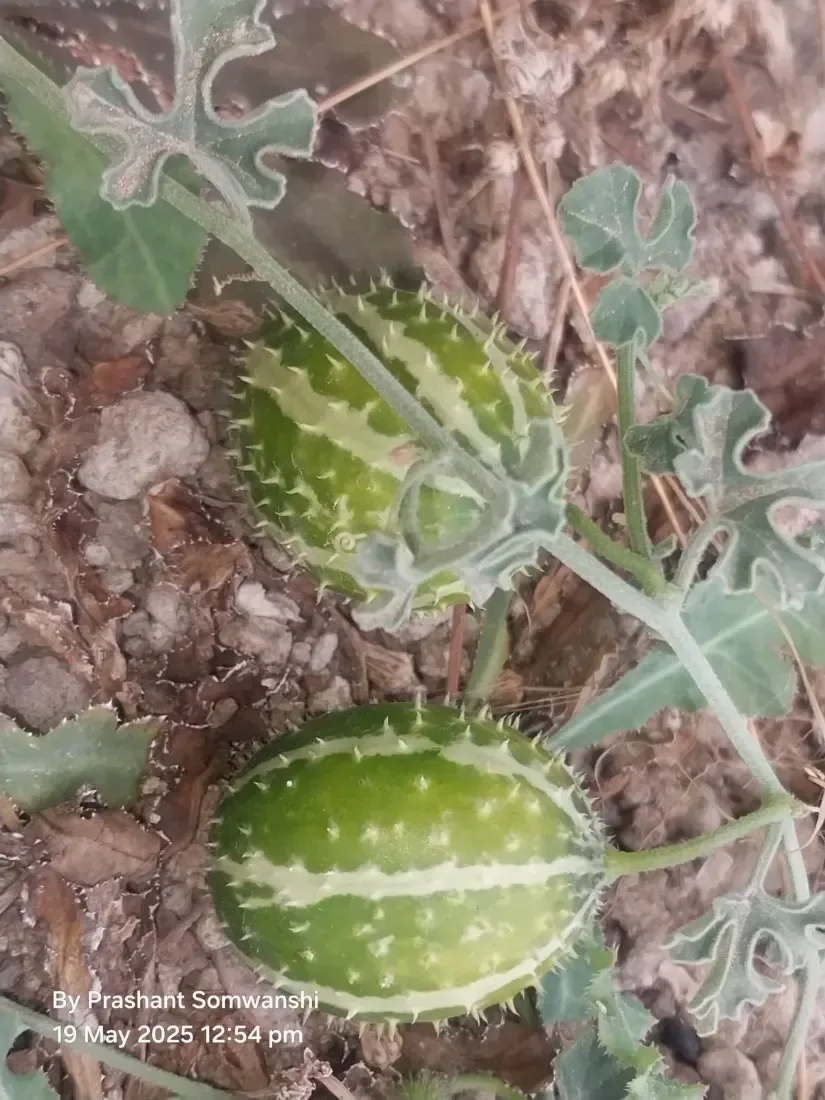
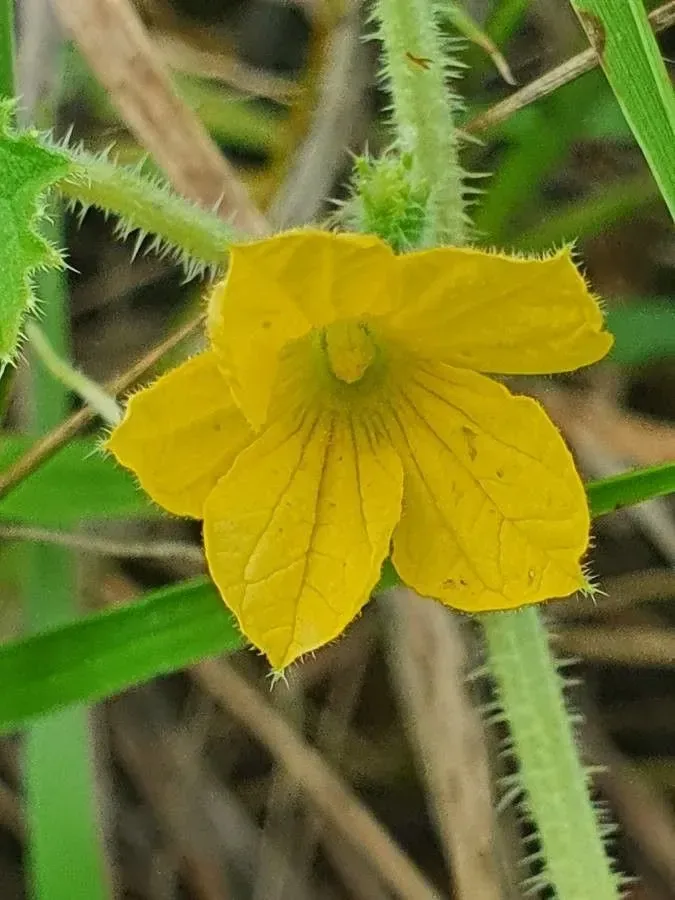
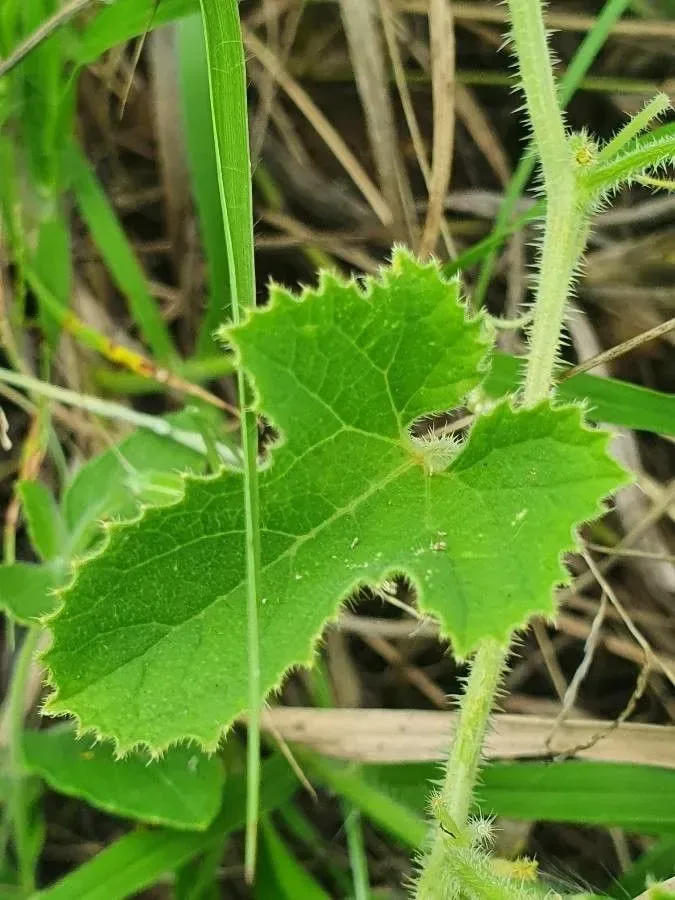
Cucumis prophetarum
Wild spiny cucumber
Native
Habit
Climber
Origin
Native
Flowering
Monsoon
Edible
Yes
Sun
Full sun, tolerates shade · 6–8 hours
Water
Steady moisture
Drainage
Must not sit wet
Soil pH
5.5–6.8
Started from
Seed
Germinates
4–10 days
No specific wildlife-relationship data recorded for this species.
- Like cultivated cucumbers, this species needs loose, rich soil to develop long roots.
- In containers, use one holding at least 12-20kg of soil for two to three plants, filled with a mix of garden soil, well-rotted compost or cow dung, and a handful of sand, light and airy, not compact.
- Press the soil gently to remove air pockets and keep it moist but not waterlogged, at a slightly acidic pH of 5.5-6.8.
- Avoid heavy clay soil (poor drainage, root rot), pots that are too small (stunted growth), and fresh manure (can burn young plants, use aged compost instead).
- Direct-sow once temperatures stay above 22°C: place 2-3 seeds per pit or mound, 1-2cm deep, spaced about 4 inches apart.
- Water gently but thoroughly, keeping soil consistently moist until germination (4-10 days).
- Soaking seeds for 24 hours, or wrapping them in a moist paper towel overnight, speeds this up.
- Cucumbers dislike root disturbance, so direct sowing works best; if starting indoors, use biodegradable pots.
- Give it 6-8 hours of direct sun (light afternoon shade in very hot regions), at 22-32°C optimum.
- Water early morning or evening, keeping soil evenly moist but never soggy, mulch with dry leaves or straw to retain moisture.
- Aim for about an inch of water a week, more in peak summer, and keep water off the leaves to avoid fungal disease.
- A simple check: press a finger 2cm into the soil, if dry, water; if moist, wait another day.
No cultural-significance data recorded for this species.
- Young fruit is eaten raw or pickled like a gherkin; fully ripe fruit turns bitter but is still sometimes boiled and eaten, or dried, sliced, and cooked as a vegetable with a groundnut paste.
- Tender leaves are cooked fresh or dried, pounded, and mixed with groundnut paste.
- The bitter fruit doubles as an emetic.
These uses are documented for information only and are not medical advice. Always verify the species and the plant part before use.
Semi-desert scrub, deciduous bushland and grassland, and Acacia bushland from sea level to 2,010m, across tropical Africa from Mauritania to Eritrea and Somalia, south to Tanzania and southern Congo.